





What's Happening?
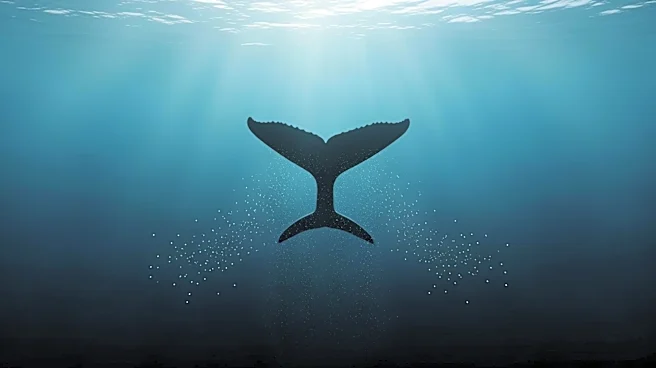
Gray whale populations in the eastern North Pacific are experiencing a significant decline, with numbers dropping from over 27,000 in 2016 to less than 13,000 in recent years. This decline is attributed to malnourishment and a decrease in birth rates,
as reported by NOAA Fisheries. The whales' primary food source, amphipods, has diminished due to climate change, which has altered sea temperatures and currents, reducing the availability of algae that amphipods feed on. This has forced gray whales to migrate further north into the Arctic, where they face additional challenges in finding sufficient food. The situation has prompted marine scientists to call for a review of gray whale management and conservation strategies.
Why It's Important?
The decline in gray whale populations highlights the broader impact of climate change on marine ecosystems. As key indicators of ocean health, the struggles of gray whales reflect the challenges faced by marine species in adapting to rapidly changing environmental conditions. The reduction in gray whale numbers could have cascading effects on marine biodiversity and the ecological balance in their habitats. Additionally, the situation underscores the need for international cooperation in marine conservation efforts to address the impacts of climate change and ensure the survival of vulnerable species.
What's Next?
Marine scientists and conservationists are advocating for a reassessment of gray whale management practices, including potential adjustments to subsistence hunting quotas. The International Whaling Commission is expected to review these quotas by 2030. Meanwhile, researchers are monitoring the potential effects of an anticipated El Niño event, which could further disrupt marine food chains and exacerbate the challenges faced by gray whales. Continued research and international collaboration will be crucial in developing effective strategies to support gray whale populations and mitigate the impacts of climate change on marine life.
Beyond the Headlines
The plight of gray whales serves as a reminder of the interconnectedness of global ecosystems and the far-reaching consequences of climate change. The situation raises ethical questions about human responsibility in protecting endangered species and the need for sustainable practices that balance ecological preservation with cultural traditions, such as subsistence hunting. Long-term solutions will require a holistic approach that considers the complex interactions between climate, marine life, and human activities.