



What's Happening?
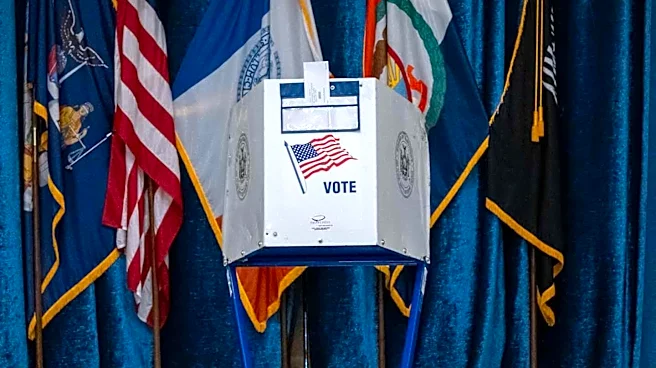
Westchester County, New York, reported issues with voting machines on Tuesday morning that were not accepting paper ballots. The Westchester County Board of Elections confirmed the problem, stating that ballots are being placed into designated orange
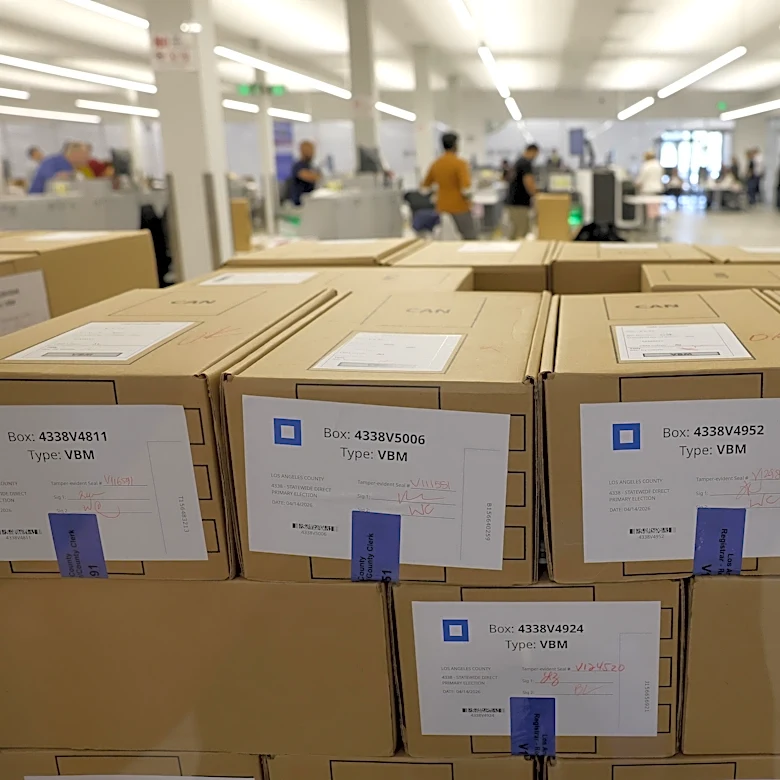
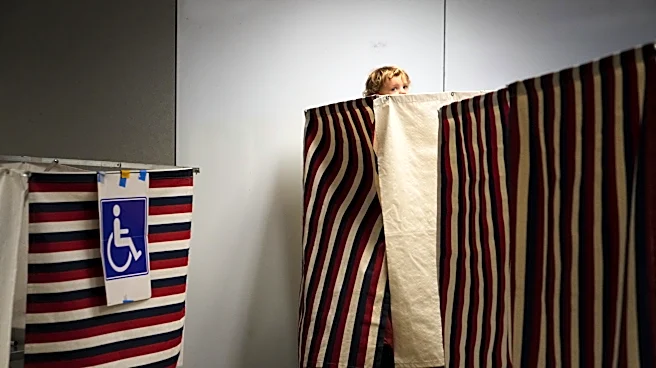
emergency ballot bags. Officials are actively working to resolve the machine malfunction. The Board of Elections assured the public that these ballots would remain secure, monitored, and ultimately counted. This issue occurred as voters in the county were participating in a competitive U.S. House race between Rep. Mike Lawler and his Democratic opponent, Cait Conley. Both candidates used social media to urge voters to remain in line despite the technical difficulties. New York State Attorney General Letitia James has confirmed that her office is in contact with both state and local election officials regarding the situation. Westchester County, located north of Manhattan along the Hudson River, is home to over 1 million residents and includes cities such as Yonkers and White Plains.
Why It's Important?
The voting machine issues in Westchester County are significant as they directly impact the integrity and efficiency of the electoral process in a populous suburban area. Such malfunctions can lead to voter frustration, longer wait times, and potentially lower voter turnout, especially in closely contested races like the U.S. House election mentioned. The assurance from the Board of Elections that ballots will be secured and counted is crucial for maintaining public trust in the democratic process. However, any disruption can fuel concerns about election security and accessibility. The involvement of the State Attorney General's office highlights the seriousness of the situation and the need for official oversight to ensure that all votes are properly cast and tabulated. This event underscores the ongoing challenges in election administration, particularly concerning technology reliability and contingency planning for unexpected technical failures on Election Day.
What's Next?
As officials work to resolve the voting machine issues, the immediate next step involves ensuring that all ballots placed in emergency bags are securely stored and accurately counted. The Westchester County Board of Elections has committed to monitoring these ballots and counting them, which will likely involve a manual or alternative electronic process once the polls close. State Attorney General Letitia James's continued contact with election officials suggests ongoing oversight to ensure compliance with election laws and proper resolution of the technical problems. Voters who experienced these issues will be looking for confirmation that their votes were indeed counted. In the longer term, this incident may prompt a review of voting machine reliability and contingency protocols in Westchester County and potentially across New York State to prevent similar occurrences in future elections. The competitive nature of the U.S. House race in the county means that the accurate and transparent counting of all ballots will be under intense scrutiny.
Beyond the Headlines
The voting machine malfunction in Westchester County touches upon broader implications for election technology and voter confidence. While the immediate solution of using emergency ballot bags is a standard contingency, repeated or widespread issues can erode public trust in the electoral system. This incident highlights the delicate balance between technological advancement in voting and the need for robust, fail-safe mechanisms. It also brings to light the importance of voter education regarding alternative voting procedures during technical glitches. The incident could spark debates about the funding for election infrastructure, the procurement of reliable voting machines, and the training of poll workers to handle such situations effectively. Ultimately, the smooth functioning of elections is foundational to democracy, and any disruption, however minor, can have ripple effects on political discourse and citizen engagement, emphasizing the need for continuous improvement in election administration.