







What's Happening?
Daily stretching routines are being recommended as a crucial habit for individuals managing Duchenne Muscular Dystrophy (DMD). According to Hoda Abdel-Hamid, MD, a pediatric neurologist and director at UPMC Children's Hospital of Pittsburgh, and Kerry
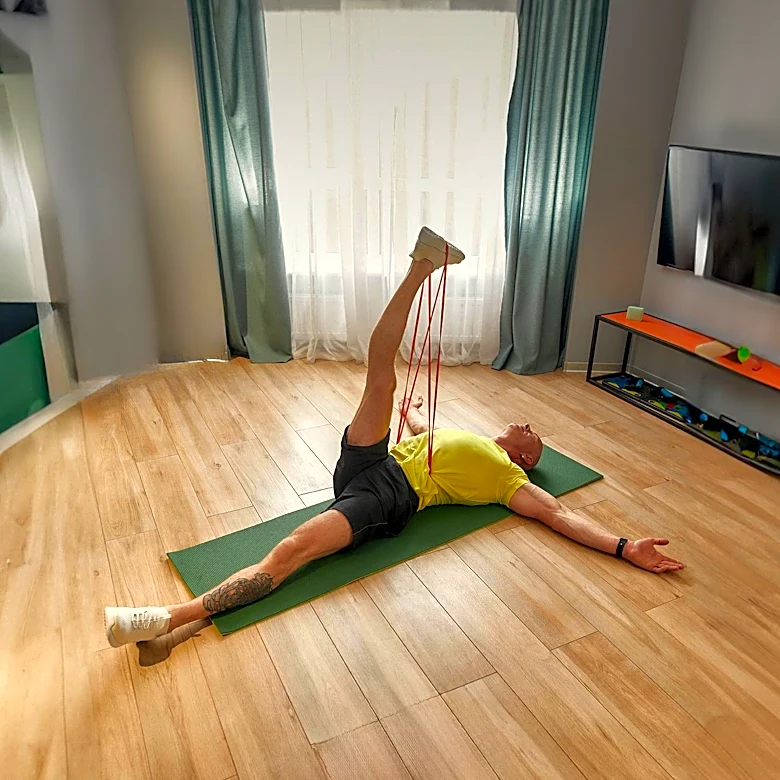
Vela, DPT, a pediatric physical therapist at Johns Hopkins Children's Center, stretching can significantly delay stiff, tight joints and enhance the quality of life for those with DMD. It is advised that individuals stretch for approximately 10 minutes every night, focusing on muscles prone to tightness in DMD, such as the calves, backs and outer sides of the thighs, fronts of the hips, and forearms. This practice is particularly vital for teens and adults who use wheelchairs, as it helps maintain range of motion in both arms and legs, thereby promoting greater independence. Early adoption of these routines is emphasized, as starting young can help integrate them into daily life and prevent contractures, where a joint becomes stuck in one position.
Why It's Important?
The integration of daily stretching into the management of Duchenne Muscular Dystrophy holds significant importance for improving the long-term well-being and independence of affected individuals. DMD, a genetic condition primarily affecting males, leads to progressive muscle weakening. By proactively addressing muscle tightness and joint stiffness through consistent stretching, individuals can mitigate some of the debilitating effects of the disease. This approach can delay the onset of contractures, which can severely limit mobility and necessitate more intensive interventions. Maintaining flexibility in the arms and legs is crucial for performing daily tasks, allowing individuals to retain a higher degree of self-sufficiency for longer periods. This not only enhances their physical capabilities but also contributes positively to their mental and emotional health by fostering a sense of control and reducing reliance on caregivers. The recommendation underscores a shift towards proactive, habit-based interventions alongside traditional medical treatments.
What's Next?
Individuals with Duchenne Muscular Dystrophy are encouraged to consult with their healthcare team and physical therapists to develop personalized stretching routines tailored to their specific stage of DMD. This collaborative approach ensures that the stretches are appropriate and effective for their condition. The use of night splints, or braces worn on the lower legs during sleep, is also suggested as a complementary measure to provide a sustained stretch to the ankles and feet, particularly for younger children to help them adapt. Furthermore, the emphasis on early intervention suggests that healthcare providers will continue to advocate for the integration of these habits from a young age. Ongoing research and clinical practice will likely continue to refine and expand upon these recommendations, aiming to further enhance the quality of life for those living with DMD.
Beyond the Headlines
The emphasis on daily stretching for Duchenne Muscular Dystrophy extends beyond mere physical benefits, touching upon broader implications for patient empowerment and the philosophy of care. By promoting consistent, self-managed routines, this approach fosters a sense of agency in individuals and their families, shifting the focus from passive reception of treatment to active participation in health management. This can have profound psychological benefits, helping individuals cope with a progressive condition by providing tangible actions they can take to improve their daily lives. Ethically, it highlights the importance of holistic care that considers not just medical interventions but also lifestyle adjustments that enhance overall well-being. Culturally, it reinforces the value of preventative and maintenance practices in chronic disease management, potentially influencing how other long-term conditions are approached in healthcare. This proactive model could lead to a greater integration of physical therapy and daily habits into standard care protocols for various neuromuscular disorders.