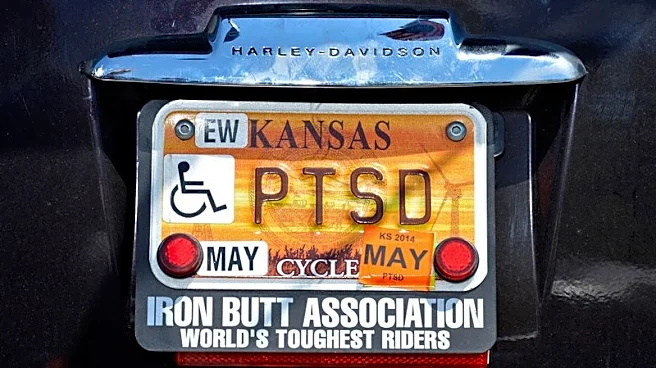









What's Happening?
Zoloft, a selective serotonin reuptake inhibitor (SSRI), is widely prescribed for various mental health conditions, including post-traumatic stress disorder (PTSD). It works by increasing serotonin levels in the brain, which helps regulate mood and emotion.
Zoloft is known to reduce PTSD symptoms such as flashbacks, nightmares, and intrusive thoughts. It also improves sleep quality and decreases avoidance behaviors. Despite its benefits, there is ongoing debate about the overuse of SSRIs, with some experts advocating for a more cautious approach to their prescription. Zoloft is generally well-tolerated, but it can cause side effects like nausea, headaches, and dizziness.
Why It's Important?
The use of Zoloft in treating PTSD is significant as it offers relief to patients who struggle with debilitating symptoms. PTSD affects a substantial number of individuals, including veterans, and finding effective treatments is crucial for improving their quality of life. The medication's ability to alleviate symptoms can lead to better daily functioning and mental health outcomes. However, the debate over SSRI overuse highlights the need for careful prescription practices and monitoring by healthcare providers. Understanding the benefits and risks of Zoloft is essential for patients and clinicians to make informed treatment decisions.