






What's Happening?
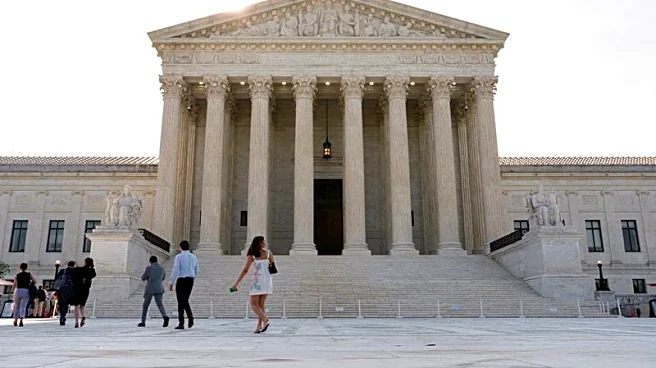
A recent U.S. Supreme Court ruling has paved the way for the Trump administration to end Temporary Protected Status (TPS) for thousands of immigrants from countries like Haiti and Syria. The decision affects individuals who have lived and worked in the U.S. for years,
raising concerns about their safety and future. Critics argue that the countries in question still face significant challenges, making it unsafe for TPS holders to return. The ruling has broader implications for the future of TPS and the legal status of immigrants from other countries.
Why It's Important?
The end of TPS for thousands of immigrants highlights the precarious nature of temporary immigration protections and the potential humanitarian impact of their termination. The decision could lead to the deportation of individuals who have established lives in the U.S., affecting families, communities, and the economy. The ruling also underscores the need for comprehensive immigration reform to address the status of long-term residents and provide legal pathways for those seeking stability and security.
What's Next?
As TPS holders face the expiration of their legal status, advocacy groups and legal experts are calling for legislative action to create permanent solutions for affected individuals. The ruling may prompt further legal challenges and policy debates over the scope and purpose of TPS. The experiences of those impacted by the decision will likely influence future discussions on immigration policy and the balance between national security and humanitarian considerations.