





What's Happening?
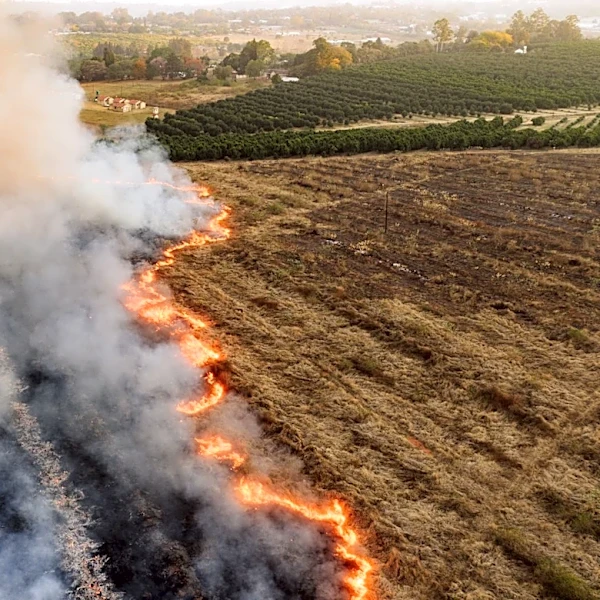
In the Cerrado region of Brazil, the Xerente Indigenous people are collaborating with environmental officials to incorporate traditional fire management techniques into public policy. This initiative aims to prevent large-scale wildfires, particularly
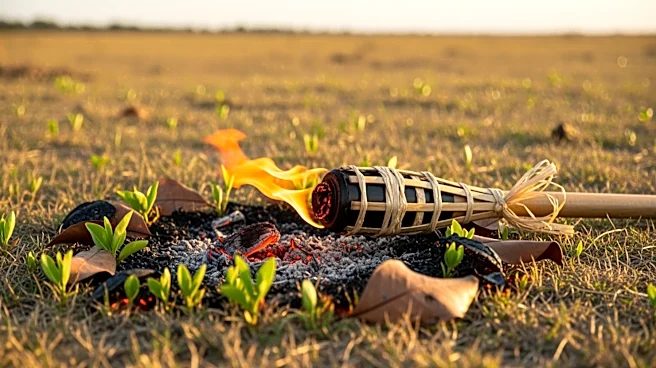
during the dry months of August and September. The Xerente, who have long faced prejudice, are now recognized for their expertise in controlled burning, which is being combined with scientific research to protect the ecosystem. The Brazilian government, through its environmental protection agency IBAMA, is working with Indigenous brigades to conduct controlled burns using traditional methods, such as igniting fires with dry palm leaves. This approach is part of a broader strategy to manage land sustainably and prevent destructive fires exacerbated by human activity and climate phenomena like El Niño.
Why It's Important?
The integration of Indigenous fire practices into Brazil's wildfire management strategy is significant for several reasons. It represents a shift from the previous 'zero-fire' policy, acknowledging the value of traditional knowledge in environmental conservation. This collaboration not only helps protect the Cerrado's unique ecosystem but also empowers Indigenous communities by recognizing their role as stewards of the land. The initiative could serve as a model for other regions facing similar challenges, highlighting the importance of combining traditional and scientific approaches to address environmental issues. Additionally, it underscores the need for inclusive policies that respect and incorporate Indigenous perspectives in national strategies.
What's Next?
As Brazil continues to face the impacts of climate change, including more frequent and severe droughts, the success of this initiative could influence future environmental policies. The government may expand partnerships with Indigenous communities across other regions, such as the Amazon, to enhance wildfire prevention efforts. Monitoring the outcomes of these controlled burns will be crucial in assessing their effectiveness and refining techniques. The collaboration could also inspire international efforts to integrate Indigenous knowledge into global climate strategies, particularly as the world seeks sustainable solutions to environmental challenges.
Beyond the Headlines
This development highlights broader cultural and ethical dimensions, such as the recognition of Indigenous rights and knowledge in environmental governance. It challenges historical narratives that have marginalized Indigenous contributions and promotes a more inclusive approach to policy-making. The initiative also raises questions about the balance between traditional practices and modern scientific methods, emphasizing the need for dialogue and mutual learning. As climate change continues to pose global threats, the integration of diverse knowledge systems could become increasingly vital in crafting effective and equitable solutions.