



What's Happening?
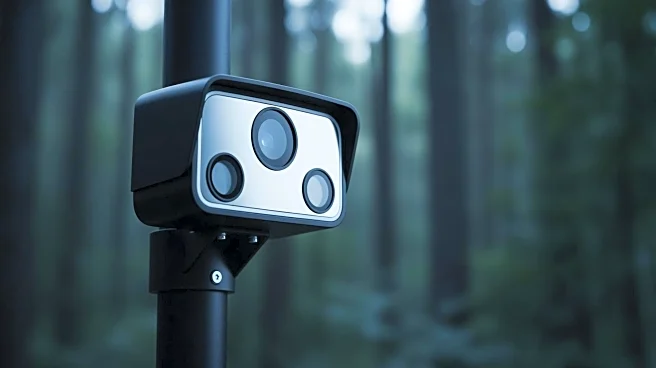
The Saranac Lake Police Department in New York is installing a dozen Flock license plate reader cameras and security cameras throughout the village, funded by a state grant. These automatic license plate readers (ALPRs) are designed to assist law enforcement
by identifying vehicles connected to criminal activity, locating missing persons, and strengthening investigations. However, the implementation of these cameras has sparked privacy concerns. Critics argue that the technology, which includes artificial intelligence image recognition and a cloud database, may infringe on privacy rights and potentially violate the Fourth Amendment due to its data collection practices without a warrant. The cameras have a reported 10% error rate in license plate readings, raising concerns about wrongful detentions. Despite these issues, the police department emphasizes that the cameras will not be used for immigration or traffic enforcement and that data will be controlled by the police for official purposes only.
Why It's Important?
The deployment of ALPRs in Saranac Lake highlights the ongoing debate between enhancing public safety and protecting individual privacy rights. While the technology aims to improve law enforcement efficiency in solving crimes and locating missing persons, it raises significant privacy concerns. The potential for misuse of data, wrongful detentions, and the risk of data breaches are critical issues that need addressing. The controversy underscores the broader national conversation about the balance between security and privacy, especially in light of past legal rulings that have questioned the constitutionality of such surveillance methods. The outcome of this implementation could influence future policies and public acceptance of surveillance technologies across the U.S.
What's Next?
As the Saranac Lake Police Department continues to roll out these cameras, they will need to address public concerns and ensure transparency in their use. The department plans to conduct annual audits and review existing policies to prevent misuse and protect civil liberties. The effectiveness and public reception of these cameras could impact future funding and the potential expansion of similar technologies in other regions. Additionally, ongoing legal challenges and legislative efforts, such as the 'Fourth Amendment is Not For Sale Act,' may shape the regulatory landscape for surveillance technologies in the U.S.
Beyond the Headlines
The introduction of ALPRs in Saranac Lake raises ethical questions about surveillance and the potential for abuse of power. The technology's ability to track vehicle movements and store data for extended periods could lead to unintended consequences, such as profiling or discrimination. The debate also touches on the role of private companies in public surveillance and the need for stringent data protection measures. As technology continues to evolve, society must grapple with the implications of increased surveillance on civil liberties and the potential for a surveillance state.