





What's Happening?
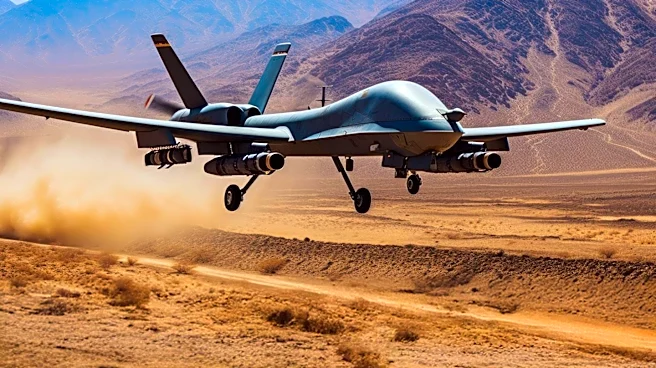
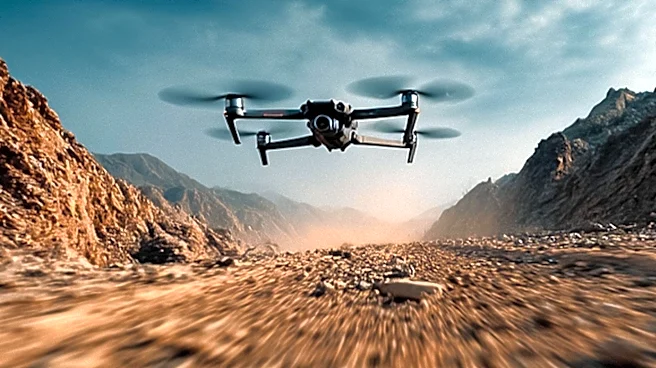
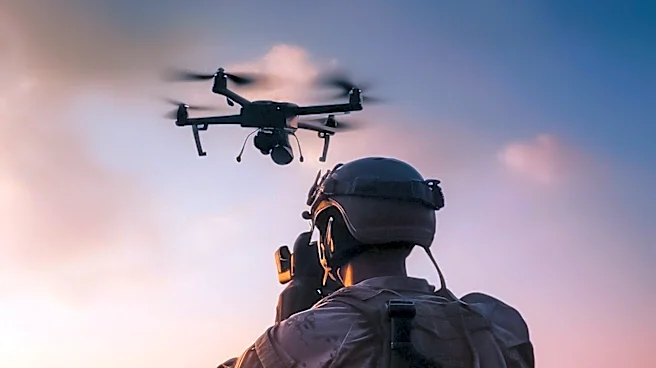
The Ministry of Defense of Ukraine, in collaboration with the Brave1 defense innovation cluster, is actively scaling up group control technology for unmanned aerial vehicles (UAVs). This advanced multi-drone control system has already demonstrated significant
effectiveness in enhancing cargo delivery to the front lines. The technology enables drones to operate autonomously without GPS, making them resilient against enemy electronic warfare (EW) systems. Operators can designate an area on a map, and the system automatically calculates collision-free routes for multiple drones. These UAVs maintain orientation through secure communications, with all aircraft displayed in a single control interface. An operator can switch between drones with a single click, only needing to take manual control during the final moments of a mission. This innovation has led to a twofold increase in cargo deliveries for units like the 108th Separate Assault Battalion "Da Vinci's Wolves" within a month.
Why It's Important?
This technological advancement is crucial for Ukraine's logistical capabilities in ongoing conflicts. By enabling drones to operate without GPS and resist electronic warfare, it directly addresses a critical vulnerability in modern combat environments. The ability to double cargo deliveries to the front line significantly improves the resupply of essential goods, ammunition, and medical supplies to troops in contested areas. This not only enhances operational efficiency but also potentially reduces the risks associated with traditional ground-based logistics, which are often targets for enemy forces. The development and scaling of such technologies underscore Ukraine's commitment to leveraging innovation to overcome logistical challenges and maintain operational superiority against adversaries employing sophisticated electronic warfare tactics.
What's Next?
The Ministry of Defense and Brave1 are continuing their efforts to further develop and expand the implementation of this group control technology for UAVs. The success observed with units like the "Da Vinci's Wolves" battalion suggests a broader rollout across other military units is likely. Future developments may include integrating more advanced AI for route optimization, payload management, and enhanced autonomy in diverse combat scenarios. The ongoing collaboration between the Ministry of Defense and innovation clusters indicates a sustained focus on technological solutions to improve military capabilities, particularly in logistics and reconnaissance. This could lead to further advancements in drone technology, potentially influencing future military doctrines and operational strategies.
Beyond the Headlines
The successful deployment of multi-drone control technology highlights a broader shift in military logistics towards autonomous and semi-autonomous systems. This innovation not only addresses immediate battlefield needs but also sets a precedent for future warfare, where drone swarms and AI-driven logistics could become standard. Ethically, the increased autonomy of such systems raises questions about human oversight and decision-making in critical supply chain operations. Legally, the use of advanced drone technology in contested airspace may prompt discussions on international regulations regarding autonomous weapons and logistics systems. Culturally, the integration of such sophisticated technology into military operations reflects a growing reliance on technological superiority to achieve strategic objectives, potentially reshaping the nature of military engagement and personnel requirements.