






What's Happening?
The European Union has reiterated its support for Ukraine in the ongoing conflict with Russia, emphasizing that it will not act as a neutral mediator. Kaja Kallas, the EU's top diplomat, stated that the EU is firmly on Ukraine's side, defending its own
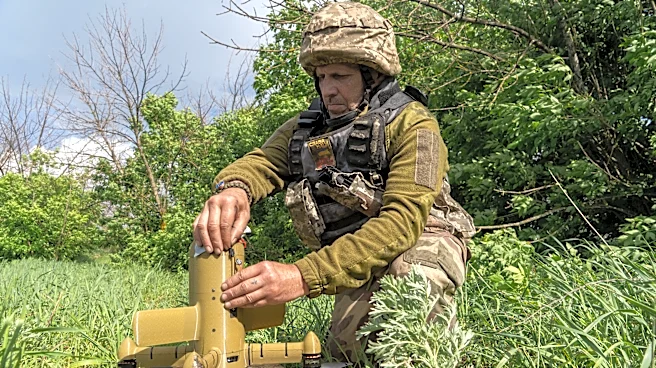
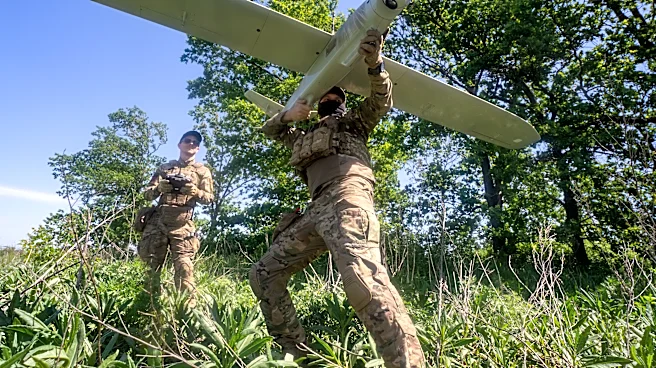
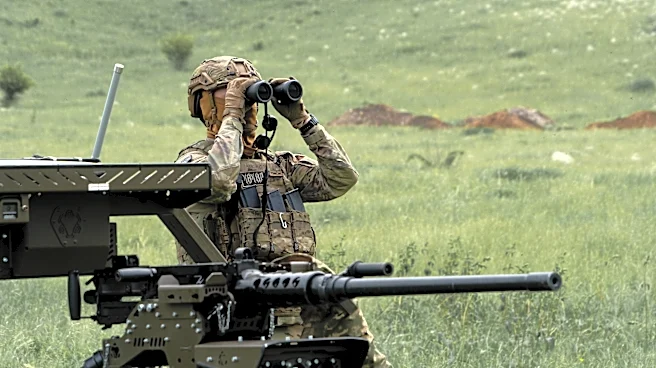
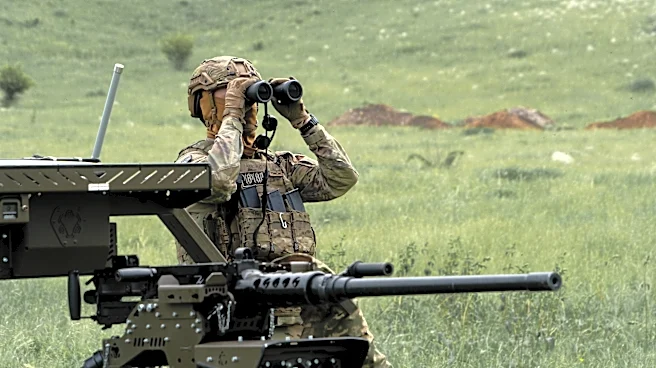
core security interests. The EU ministers discussed the conditions that should be demanded from Moscow in any potential peace negotiations, including an unconditional ceasefire and cessation of sabotage operations, cyber-attacks, and election interference. Meanwhile, Ukraine has continued its military actions, striking a Russian oil refinery at Tuapse on the Black Sea. Additionally, Sweden has announced a donation of Gripen fighter jets to Ukraine, with plans for further purchases of the latest models. U.S. congressmen have expressed support for Ukraine's request for more air defense missiles, highlighting the complexity of military support due to the U.S. conflict with Iran.
Why It's Important?
The EU's stance underscores the geopolitical alignment in the Ukraine-Russia conflict, with significant implications for international diplomacy and security. By supporting Ukraine, the EU is reinforcing its commitment to European security and stability, potentially influencing future negotiations and peace efforts. The military aid from Sweden and the U.S. highlights the international support for Ukraine's defense capabilities, which could shift the dynamics of the conflict. The ongoing military actions and diplomatic discussions are crucial for shaping the future of the region, impacting global security and economic interests.
What's Next?
The EU's firm stance and the continued military support from Western allies suggest ongoing pressure on Russia to comply with international demands for peace. The delivery of Gripen fighter jets and potential U.S. missile support could enhance Ukraine's defense capabilities, potentially altering the course of the conflict. Diplomatic efforts may continue to focus on achieving a ceasefire and addressing security concerns, with the EU and U.S. playing pivotal roles in shaping the negotiations. The international community will likely monitor the situation closely, assessing the impact of military and diplomatic developments on regional stability.
Beyond the Headlines
The EU's decision not to act as a neutral mediator reflects broader geopolitical tensions and the complexities of international diplomacy. The conflict has highlighted issues such as cyber-security, election interference, and territorial integrity, which are critical for global governance and security. The military aid and diplomatic support for Ukraine may influence future international relations, potentially leading to shifts in alliances and power dynamics. The situation also raises ethical questions about the role of international actors in conflict resolution and the balance between national interests and global peace efforts.