







What's Happening?
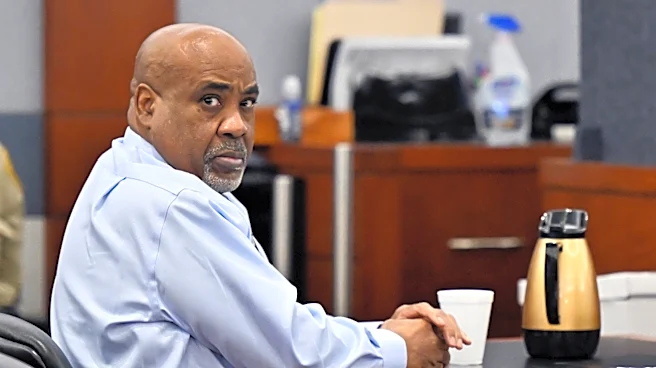
Criminal charges against Las Vegas professional gambler William West Roberts, 57, have been dismissed. Roberts was accused by the Nevada Gaming Control Board of operating a multimillion-dollar illegal sports book. The charges, which included felony operating a gaming
establishment without a valid license, receiving compensation for bets without a gaming license, and a gross misdemeanor count of receiving unlawful wagers from a person in Nevada, were dismissed on August 13. Despite the dismissal, Clark County prosecutors have served Roberts with a Marcum notice, indicating their intent to pursue the case through a grand jury investigation. Roberts maintains his innocence, calling the investigation a 'witch hunt' and alleging it was initiated by the mother of his child due to ongoing Family Court proceedings. His attorney, Chris Rasmussen, stated that Roberts is a gambler with a sports information service, not a bookmaker, and that the FBI had previously investigated and closed the matter. The Nevada Gaming Control Board declined to comment.
Why It's Important?
This case highlights the complex legal landscape surrounding gambling and sports betting in Nevada, a state with a highly regulated gaming industry. The dismissal of charges against Roberts, followed by the prosecutor's intent to seek a grand jury indictment, underscores the persistent efforts by authorities to combat illegal bookmaking operations, even when initial criminal charges are dropped. The allegations against Roberts, including the use of a Costa Rica-based website for taking bets and commingling funds with his businesses, touch upon the challenges of regulating online gambling and cross-border financial transactions. The involvement of an informant and undercover investigators, as detailed in the arrest report, demonstrates the resources law enforcement agencies dedicate to these investigations. The outcome of a potential grand jury indictment could set a precedent for how similar cases are prosecuted in Nevada, impacting other individuals involved in sports information services or professional gambling.
What's Next?
Clark County prosecutors intend to take the case against William West Roberts to a grand jury. This means Roberts could still face new charges if the grand jury finds sufficient evidence to issue an indictment. Roberts, who has already incurred significant legal defense costs and faced temporary bans from casinos, will likely continue his efforts to clear his name. The mother of his child, Catrina Andrino, has denied influencing Family Court proceedings by reporting Roberts to authorities, emphasizing her priority is protecting their child. The Nevada Gaming Control Board's continued silence on the matter suggests they may be awaiting the outcome of the grand jury process. The case could lead to further scrutiny of sports information services and their potential overlap with illegal bookmaking, potentially influencing regulatory practices in the future.
Beyond the Headlines
The case against William West Roberts delves into the ethical and legal ambiguities that can arise in the world of professional gambling and sports information services. Roberts' assertion that he is a 'degenerate gambler' who sells sports betting picks, rather than a bookmaker, highlights the fine line between legal and illegal activities in the gaming industry. The allegations of commingling funds and using offshore websites for betting raise questions about financial transparency and the challenges of tracking money flows in a globalized digital economy. The personal dimension, with Roberts alleging the investigation was a 'witch hunt' initiated by his child's mother, adds a layer of complexity, suggesting how personal disputes can intersect with serious criminal investigations. This situation could prompt broader discussions about the definition of illegal bookmaking in the digital age and the methods used by law enforcement to investigate such activities, particularly when they involve professional gamblers who operate within the legal framework of casinos but may engage in other, less regulated, activities.