






What's Happening?
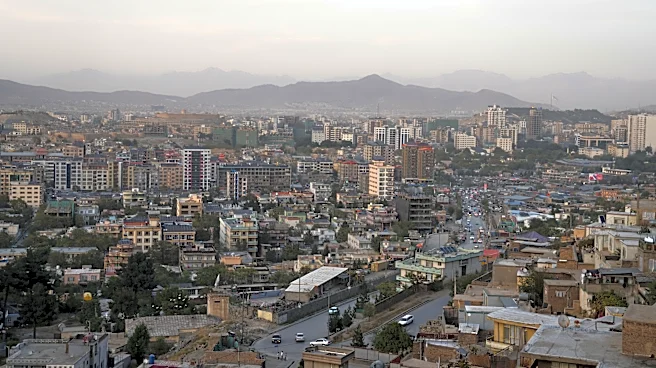
Residents of Kabul are expressing significant concerns regarding the quality of tea imported into the country. Many report that some traders are selling low-quality tea, often containing artificial colors and chemicals, under the guise of 'premium tea'
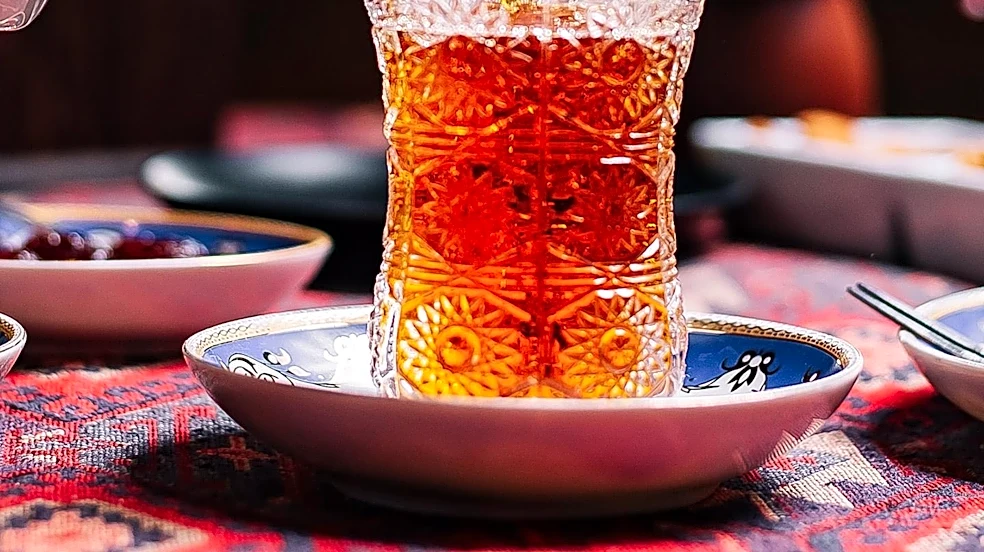
at inflated prices. Consumers' limited awareness of tea quality and a perceived lack of regulatory oversight are cited as contributing factors to this issue. Saber, a Kabul resident, noted a decline in tea quality, with some teas appearing brightly colored when brewed but lacking flavor. Sayed Ghulam, another resident, highlighted the presence of artificially colored teas, stating that consumers are often misled by appearance rather than actual quality. Hadad and Nasir, also Kabul residents, pointed out that economic hardship forces many to prioritize price over quality, creating a market for cheaper, lower-grade products. A physician, Hamed Wardak, warned that consuming tea contaminated with unauthorized industrial dyes and heavy metals could pose serious health risks, including damage to the liver and kidneys, and digestive problems. He emphasized that certain dyes, like Sudan and Rhodamine B, are banned due to their toxic and potentially carcinogenic effects, with children, pregnant women, and individuals with chronic illnesses being particularly vulnerable.
Why It's Important?
The concerns raised by Kabul residents about the quality of imported tea have significant implications for public health and consumer protection. The potential presence of unauthorized industrial dyes and heavy metals in tea could lead to widespread health issues, including chronic organ damage and increased cancer risk, particularly among vulnerable populations. This situation highlights a critical gap in regulatory oversight and quality control for imported food products, which can erode public trust in market goods and expose citizens to preventable health hazards. Economically, the sale of low-quality, artificially enhanced tea under false pretenses not only defrauds consumers but also undermines legitimate businesses that adhere to quality standards. The economic struggles of families, forcing them to opt for cheaper, potentially harmful products, further exacerbates the problem, creating a cycle where health is compromised due to financial constraints. This issue also underscores the broader challenge of ensuring food safety and quality in regions with limited enforcement mechanisms, impacting both individual well-being and the overall public health infrastructure.
What's Next?
Kabul residents are calling for increased inspection and oversight of imported tea by relevant authorities. They urge officials to examine the quality and ingredients of tea sold in the market and to prevent the import of substandard products. The physician, Hamed Wardak, stressed the necessity of laboratory tests to definitively identify contaminants, as visual cues like color alone are insufficient. The Taliban’s Ministry of Industry and Commerce (MoIC) reported that Afghanistan imported approximately $80 million worth of tea in 2024 from 13 countries, with green tea constituting the majority. While efforts to cultivate tea locally are ongoing, such as a farmer in Khost province successfully growing green tea, the immediate focus remains on regulating imports. Future actions will likely involve a push for more stringent import regulations, enhanced quality control measures, and public awareness campaigns to educate consumers about identifying safe and quality tea products. The effectiveness of these measures will depend on the commitment of regulatory bodies to enforce standards and protect public health.
Beyond the Headlines
The issue of low-quality imported tea in Kabul extends beyond immediate health concerns, touching upon broader societal and governance challenges. The reported lack of effective oversight by the Taliban suggests systemic weaknesses in regulatory frameworks and enforcement, which can have far-reaching consequences for various consumer goods. This situation reflects a global challenge where economic pressures and lax regulations can lead to the proliferation of unsafe products, disproportionately affecting lower-income populations. The reliance on imported goods, coupled with limited domestic production capacity, makes the region vulnerable to such practices. Furthermore, the cultural significance of tea in many societies means that its adulteration can impact daily life and traditions. Addressing this problem requires not only immediate regulatory action but also long-term strategies to strengthen national quality control institutions, promote consumer education, and potentially foster domestic production to reduce reliance on potentially compromised imports. The ethical implications for traders who knowingly sell harmful products also raise questions about corporate responsibility and market integrity.