






What's Happening?
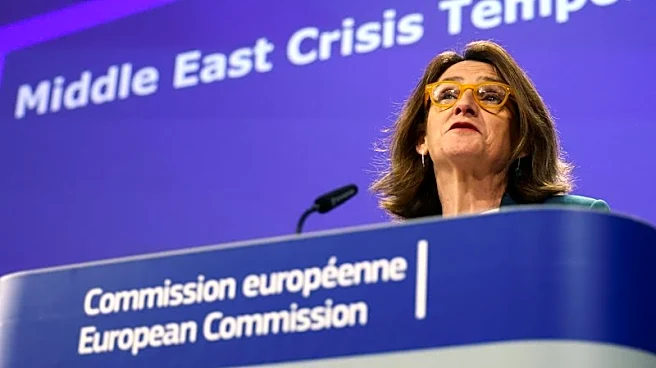
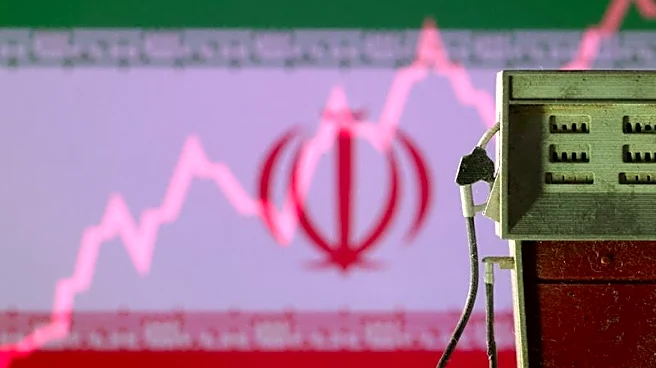
The European Commission, led by President Ursula von der Leyen, has issued a warning about a prolonged energy crisis in Europe, exacerbated by the ongoing conflict in Iran. The crisis has significantly increased the EU's fossil fuel import costs by €27
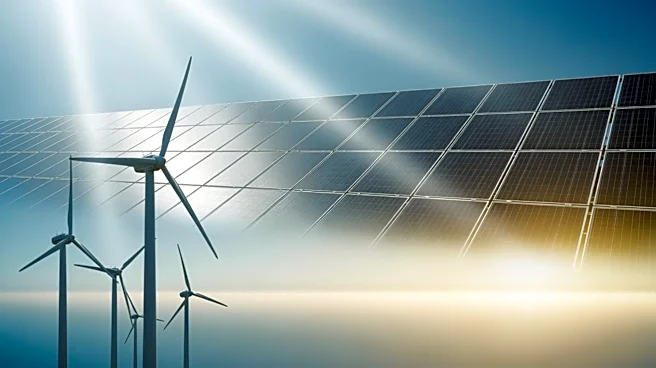
billion in just 60 days, without providing additional energy. This situation has prompted the EU to prioritize reducing dependency on imported fossil fuels and to enhance domestic clean energy production, including renewables and nuclear power. The Commission views the crisis as a critical turning point for Europe to achieve energy autonomy.
Why It's Important?
The energy crisis poses a substantial threat to European consumers and industries, potentially leading to long-term economic challenges. The increased costs and supply disruptions highlight the EU's vulnerability due to its reliance on imported energy. This situation underscores the urgent need for Europe to transition towards sustainable energy sources, which could have significant implications for global energy markets and environmental policies. The crisis also serves as a reminder of the geopolitical risks associated with energy dependency, prompting a strategic shift towards energy independence.
What's Next?
The European Commission is expected to implement measures to reduce reliance on fossil fuels and accelerate the adoption of renewable energy. This includes coordinating energy supplies among member states and enhancing refinery capacities to ensure fuel availability. The EU's focus will likely be on long-term energy security and sustainability, with potential policy changes to support clean energy initiatives. The ongoing conflict in the Middle East will continue to influence these strategies, as Europe seeks to mitigate the impact of external energy dependencies.