


What's Happening?
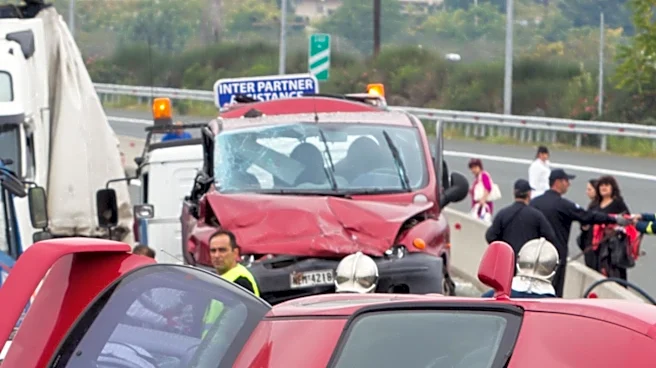
A recent study conducted by Manhattan Mental Health Counseling researchers revealed that Washington state ranks tenth among U.S. states with the highest share of summer drunk driving crashes. The analysis, which utilized three years of summer crash data
from the National Highway Traffic Safety Administration (NHTSA), found that 35.33% of Washington's 600 summer crashes involved a driver with a blood alcohol content (BAC) of .08 or higher. This translates to 212 crashes linked to impaired driving during the summer months. The study also identified that the peak fatal crash hour for impaired drivers in Washington occurred between 11 p.m. and 11:59 p.m. Steven Buchwald, a mental health expert at Manhattan Mental Health Counseling, attributed the increase in risky driving decisions during summer to more travel, late-night activities, and social gatherings where alcohol is often consumed.
Why It's Important?
This data highlights a significant public safety concern in Washington state, particularly during the summer season when recreational activities increase. The high percentage of crashes involving impaired drivers underscores the persistent challenge of drunk driving despite ongoing awareness campaigns and enforcement efforts. For public policy, these findings could prompt state and local authorities to intensify drunk driving prevention initiatives, such as increased law enforcement presence, public awareness campaigns, and promotion of alternative transportation options during summer months. The economic impact includes the costs associated with emergency services, healthcare for crash victims, property damage, and lost productivity. Furthermore, the emotional and social toll on families and communities affected by these preventable crashes is substantial. The study's emphasis on pre-planning for sober transportation is crucial for mitigating these risks.
What's Next?
In response to these findings, Washington state agencies and local law enforcement may implement enhanced strategies to combat drunk driving during summer. This could include targeted sobriety checkpoints, increased patrols during peak hours identified in the study (11 p.m. to 11:59 p.m.), and public service announcements emphasizing the dangers of impaired driving and the importance of designated drivers or rideshare services. Community organizations might also launch educational campaigns to raise awareness about responsible alcohol consumption and safe transportation. There could also be legislative discussions around stricter penalties for drunk driving offenses or funding for programs aimed at reducing impaired driving incidents. The focus will likely be on proactive measures to prevent crashes rather than reactive responses, encouraging individuals to make safe choices before consuming alcohol.
Beyond the Headlines
The prevalence of drunk driving crashes, particularly during summer, points to a deeper societal issue regarding alcohol consumption and personal responsibility. The study's findings suggest that despite widespread knowledge of the risks, a significant portion of the population still underestimates their impairment after drinking. This could indicate a need for more impactful and personalized public health messaging that resonates with different demographics. Furthermore, the issue touches upon the broader cultural aspects of summer celebrations, where alcohol is often central to social gatherings. Addressing this problem effectively may require a multi-faceted approach that combines enforcement with educational and behavioral change strategies, potentially involving community leaders, educators, and the hospitality industry. The long-term implications involve fostering a culture where impaired driving is universally unacceptable, leading to a sustained reduction in related fatalities and injuries.