






What's Happening?
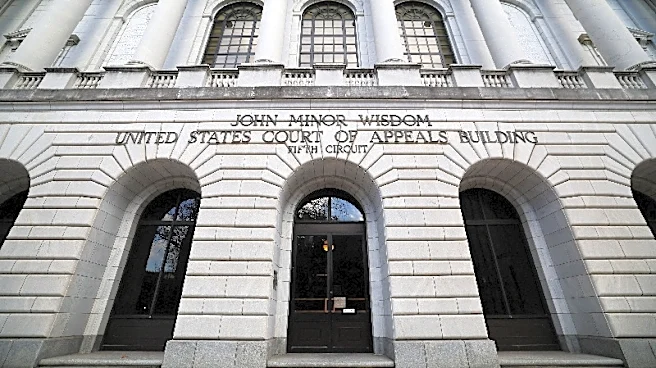
The U.S. Supreme Court is expected to review a Trump administration policy that mandates detention for undocumented immigrants, a move that has sparked division among federal appeals courts. The Fifth and Eighth Circuits have upheld the policy, while
the Second, Sixth, and Eleventh Circuits have ruled against it. The policy, which interprets the Immigration and Nationality Act to deny bond hearings for undocumented immigrants apprehended within the U.S., has led to an increase in detentions, with over 60,000 people currently in custody. Advocates argue that this policy infringes on the right to liberty and contradicts longstanding constitutional interpretations. The Supreme Court's decision could have significant implications for millions of noncitizens living in the U.S.
Why It's Important?
The potential Supreme Court review of this policy is crucial as it could redefine the legal landscape for immigration detention in the U.S. A decision in favor of the policy could solidify the administration's mass-deportation agenda, affecting the lives of millions of undocumented immigrants. Conversely, a ruling against it could uphold the rights of noncitizens to bond hearings, impacting the administration's ability to detain immigrants without due process. This case highlights the ongoing debate over immigration policy and the balance between national security and individual rights. The outcome will influence future immigration enforcement and the legal standards applied to noncitizens in the U.S.
What's Next?
The Supreme Court's decision to take up the case will depend on petitions for certiorari from either side. If the court agrees to hear the case, it will likely focus on the statutory interpretation of the Immigration and Nationality Act. The administration may also consider strategic moves, such as transferring detainees to jurisdictions that support the policy, to influence the outcome. The decision will be closely watched by immigration advocates, legal experts, and policymakers, as it will set a precedent for how immigration laws are enforced and interpreted in the future.
Beyond the Headlines
This case underscores the complexities and ambiguities in U.S. immigration law, which have historically been left to the executive branch to interpret. The current administration's approach has raised concerns about the potential for prolonged detention without procedural protections, akin to those in criminal cases. The legal battle also reflects broader issues of due process and the role of agency interpretation in shaping immigration policy. The Supreme Court's ruling could have long-term implications for the separation of powers and the extent of executive authority in immigration matters.