






What's Happening?
Energy markets are experiencing volatility despite a U.S.-Iran ceasefire, with oil prices remaining elevated and supply uncertainties persisting. The risk of closure around the Strait of Hormuz continues to impact Middle Eastern producers, while damage
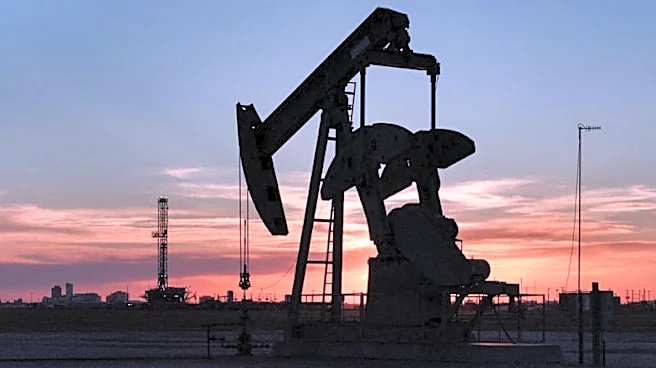
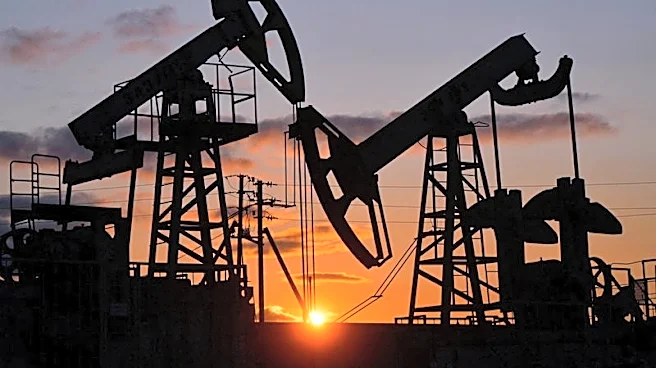
to Saudi infrastructure highlights the challenges of bypassing geopolitical chokepoints. European and African crude benchmarks have reached record levels due to supply tightness. In the U.S., companies like Chevron and Occidental are seeing earnings boosts from higher prices, while global trade flows adjust to secure alternative supplies.
Why It's Important?
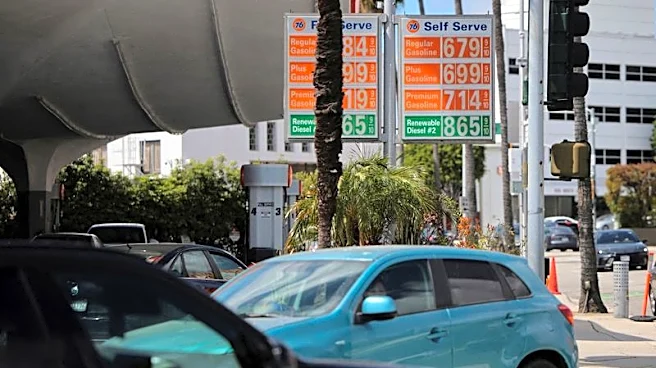
The ongoing volatility in energy markets underscores the complex interplay between geopolitical tensions and global energy supply. The situation highlights the vulnerability of energy infrastructure to geopolitical risks and the challenges of ensuring stable supply chains. For U.S. companies, higher oil prices translate into increased earnings and renewed upstream activity, but they also pose challenges for consumers facing higher energy costs. The situation calls for coordinated policy responses to address both short-term supply disruptions and long-term energy transition goals.
What's Next?
Energy leaders from the IEA, IMF, and World Bank are set to meet to address the crisis, focusing on both traditional and clean energy solutions. In the U.S., the administration is moving to streamline offshore drilling oversight to enhance energy security. As global leaders coordinate on energy security and market stability, the focus will be on balancing short-term supply needs with long-term transition strategies. The outcome of these efforts will shape the future of energy markets and influence policy decisions in the coming months.