





What's Happening?
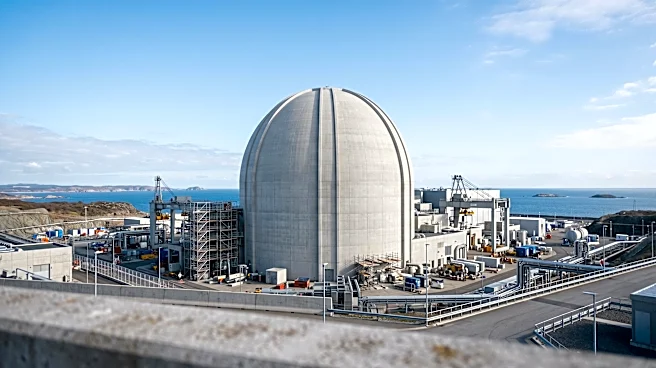
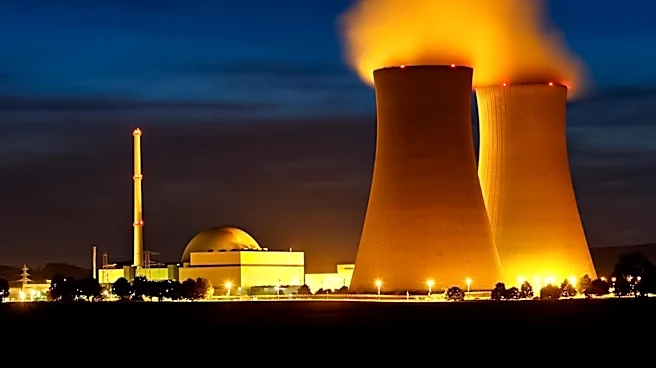
Nuclear energy is a crucial component of the U.S. power grid, providing a reliable and carbon-free baseload power source that enhances grid stability and energy independence. Nuclear power plants operate continuously at full power over 93% of the time,
making them the most reliable energy source in the U.S. electric grid. This consistent operation is vital for maintaining a steady flow of electricity, especially as the grid incorporates more variable renewable sources like solar and wind power. In 2023, nuclear energy generated nearly half of the carbon-free electricity in the United States, significantly contributing to carbon reduction goals. The U.S. Nuclear Regulatory Commission (NRC) enforces stringent safety standards, licensing requirements, and continuous oversight to ensure the safe and secure operation of these facilities. The industry also contributes significantly to the economy, employing approximately 73,800 workers in high-paying careers and supporting around 256,849 jobs nationally, contributing roughly $63.8 billion to U.S. GDP in 2022.
Why It's Important?
The unwavering reliability of nuclear power is critical for the stability of the U.S. electric grid. Unlike intermittent renewable sources, nuclear plants provide a constant power supply unaffected by weather conditions, which is essential for balancing the grid as more solar and wind power are integrated. This stability helps prevent blackouts and ensures a consistent energy supply for homes and industries. Furthermore, nuclear energy's role in producing nearly half of the nation's carbon-free electricity is paramount for achieving U.S. climate change mitigation goals. By avoiding 437 million metric tons of carbon dioxide emissions annually, nuclear power significantly reduces the environmental impact of electricity generation. Economically, the nuclear industry provides substantial employment and contributes billions to the GDP and tax revenue, bolstering energy independence through domestic fuel sources and a stable supply chain. Its consistent operation and minimal land footprint also make it an efficient and strategic asset for national energy security.
What's Next?
The future of nuclear energy in the U.S. involves continued development of advanced reactor technologies, particularly Small Modular Reactors (SMRs). While the first commercial SMR project by NuScale Power was canceled due to escalating costs, the U.S. Department of Energy (DOE) continues to support SMR development through various programs and funding initiatives, aiming for deployment in the late 2020s to early 2030s. There is bipartisan support for nuclear energy, evidenced by the Inflation Reduction Act of 2022, which introduced the Zero-Emission Nuclear Power Production Credit. The DOE has also announced conditional loan commitments, including up to $17.5 billion to support 10 new large-scale nuclear reactors by 2030 and $4.2 billion for nuclear uprates and modernization across Vistra's nuclear fleet. The ADVANCE Act, signed into law in 2024, aims to streamline regulatory processes and boost financing. These legislative and financial actions underscore a strategic commitment to expanding nuclear capacity to meet rapidly increasing electricity demand, particularly from artificial intelligence infrastructure and large-scale data centers.
Beyond the Headlines
Beyond its direct contributions to grid stability and carbon reduction, nuclear energy's long-term implications for the U.S. energy landscape are profound. The development of advanced reactor designs, such as molten salt reactors and fast reactors, promises enhanced safety, efficiency, and the potential to consume nuclear waste, addressing some of the historical challenges associated with nuclear power. The integration of nuclear energy with other energy sources, including hybrid systems, could create a more resilient and diversified energy portfolio. The industry's strict safety regulations, enforced by the NRC, highlight a commitment to public health and environmental protection, fostering public trust in this energy source. The economic impact extends beyond direct employment, as the availability of abundant, reliable, and decarbonized energy can attract high-value-added industries and data centers, supporting regional economic development and competitiveness. The ongoing efforts to manage spent nuclear fuel, with the DOE responsible for long-term disposal, remain a critical ethical and logistical consideration for the industry's sustainable future.