



What's Happening?
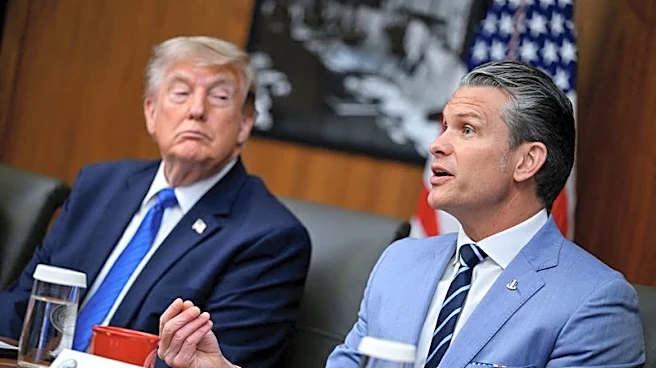
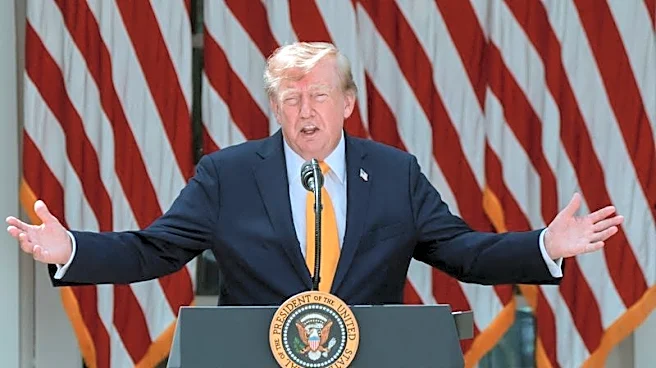
U.S. Rep. Ralph Norman has voiced surprise and criticism regarding President Trump's endorsement of Sen. Darline Graham in the South Carolina Republican primary. Norman stated that while President Trump is within his rights to endorse any candidate, he found
it unexpected that the president would focus on this particular South Carolina race, especially when other more challenging races were occurring nationwide. Norman further criticized Sen. Graham, suggesting her alignment with the Washington establishment and her alleged receipt of funding from liberal PACs. Despite these criticisms, Norman reaffirmed his support for President Trump's overall leadership and accomplishments. This commentary highlights a rare instance of a Republican lawmaker publicly questioning a decision made by President Trump concerning primary endorsements.
Why It's Important?
This development is important as it signals potential fractures within the Republican party, particularly concerning the influence of President Trump's endorsements in local and state primaries. Rep. Norman's public questioning of President Trump's choice could embolden other Republicans to voice dissent, potentially leading to a more diverse range of opinions within the party. The criticism of Sen. Graham as an 'establishment' figure receiving 'liberal PAC' funding also reflects ongoing ideological battles within the Republican base, where anti-establishment sentiment remains strong. For voters, this situation could create confusion or force them to choose between loyalty to President Trump and support for a candidate who aligns more closely with their local or ideological preferences. The outcome of such primary races, influenced by these dynamics, can significantly shape the future direction and composition of the Republican party in Congress.
What's Next?
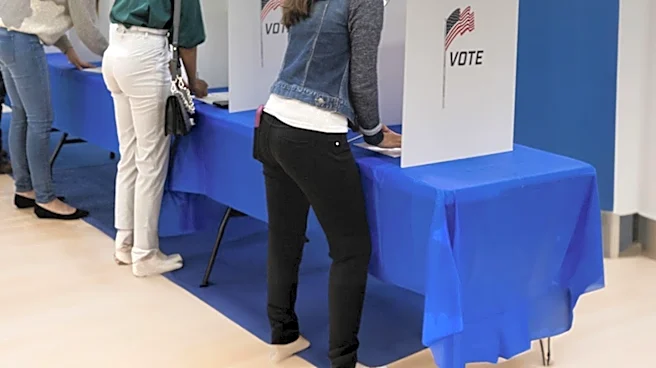
The immediate next step will be the South Carolina Republican primary itself, where the impact of President Trump's endorsement and Rep. Norman's counter-narrative will be tested. Voters will ultimately decide whether President Trump's backing is a decisive factor or if local concerns and criticisms, such as those raised by Norman, hold more sway. Following the primary, the reactions from both President Trump's camp and other Republican figures will be closely watched. If Sen. Graham wins, it could reinforce the power of presidential endorsements, while a loss might suggest a limit to that influence. This situation could also lead to further public discourse within the Republican party about the role of endorsements and the definition of 'establishment' versus 'conservative' candidates, potentially influencing future primary strategies for both candidates and national party figures.
Beyond the Headlines
Beyond the immediate political implications, this event touches upon the evolving nature of political endorsements and party loyalty in the modern era. Rep. Norman's comments highlight a tension between unwavering support for a party leader and the independent judgment of individual lawmakers regarding specific races. It also brings to light the increasing scrutiny on campaign funding sources, with 'liberal PACs' being used as a pejorative, reflecting a broader distrust of external financial influence in politics. This dynamic could contribute to a more fragmented political landscape, where candidates might increasingly need to balance national party alignment with local voter sentiment. The long-term shift could see a more nuanced approach to endorsements, where the perceived authenticity and local relevance of a candidate become as crucial as, or even more so than, a high-profile national endorsement.