





What's Happening?
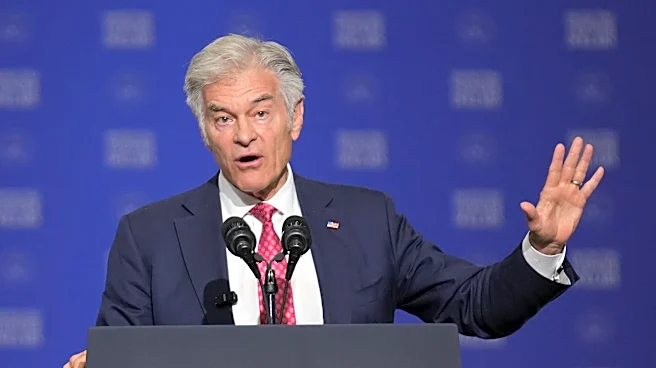
Democratic lawmakers, including Rep. Seth Magaziner, have criticized the One Big Beautiful Bill Act (OBBBA), backed by President Trump, for allegedly causing millions of Americans to lose their health insurance. The bill, passed a year ago, is said to have led
to a decline in enrollment in Medicaid and the Affordable Care Act (ACA) marketplace by about 8 million people. However, experts argue that the decline is largely due to the expiration of enhanced subsidies that made premiums more affordable, rather than the direct effects of the OBBBA, which have not yet fully taken effect. The Congressional Budget Office projects that the bill's provisions will eventually result in millions more losing insurance by 2034.
Why It's Important?
The debate over the OBBBA highlights significant concerns about healthcare accessibility and affordability in the U.S. The expiration of subsidies has made healthcare premiums less affordable, particularly affecting lower and middle-income individuals. This situation underscores the broader issue of healthcare policy and its impact on millions of Americans. The criticism from Democratic lawmakers reflects ongoing political tensions and differing priorities regarding healthcare reform. The potential long-term effects of the OBBBA could exacerbate existing disparities in healthcare access, with significant implications for public health and economic stability.
What's Next?
As the provisions of the OBBBA gradually take effect, further analysis and monitoring will be necessary to assess their impact on healthcare coverage. Lawmakers and advocacy groups may continue to push for policy changes to address the loss of coverage and affordability issues. The political landscape surrounding healthcare reform is likely to remain contentious, with potential legislative efforts to extend or reinstate subsidies to mitigate the impact on affected populations.