




What's Happening?
President Trump has publicly rejected Iran's response to the latest U.S. peace proposal aimed at ending ongoing conflicts. According to Iranian state media, the response from Iran focuses on the strategic opening of the Strait of Hormuz and the cessation
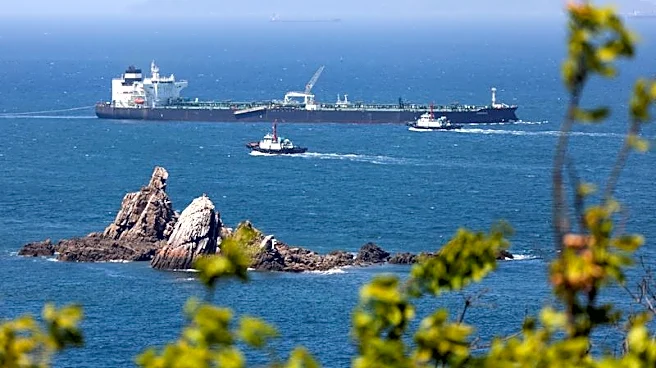
of hostilities, but notably omits any reference to nuclear weapons. This development comes amidst heightened tensions between the U.S. and Iran, with the Strait of Hormuz being a critical maritime passage for global oil shipments. The U.S. proposal was intended to address these tensions and promote stability in the region, but the lack of discussion on nuclear disarmament has been a sticking point for the U.S. administration.
Why It's Important?
The rejection of Iran's response by President Trump underscores the ongoing challenges in U.S.-Iran relations, particularly concerning nuclear disarmament and regional security. The Strait of Hormuz is a vital corridor for oil transportation, and any instability in this area could have significant implications for global oil markets and economic stability. The U.S. administration's insistence on including nuclear weapons in the peace talks highlights the broader geopolitical concerns about nuclear proliferation in the Middle East. This situation could affect international diplomatic efforts and economic policies, especially those related to energy security and military engagements in the region.
What's Next?
The next steps in this diplomatic standoff are uncertain, but potential outcomes could include further negotiations or increased military posturing by both nations. The U.S. may seek to rally international support to pressure Iran into addressing nuclear issues, while Iran might look to strengthen alliances with other regional powers. The international community will likely monitor the situation closely, as any escalation could have widespread repercussions. Additionally, stakeholders in the global oil market will be particularly attentive to developments, given the potential impact on oil prices and supply chains.