




What's Happening?
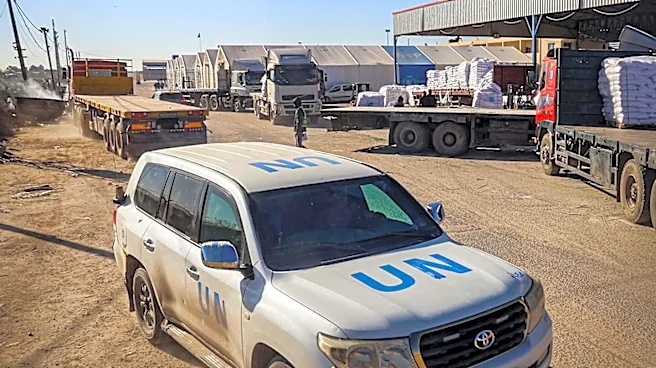
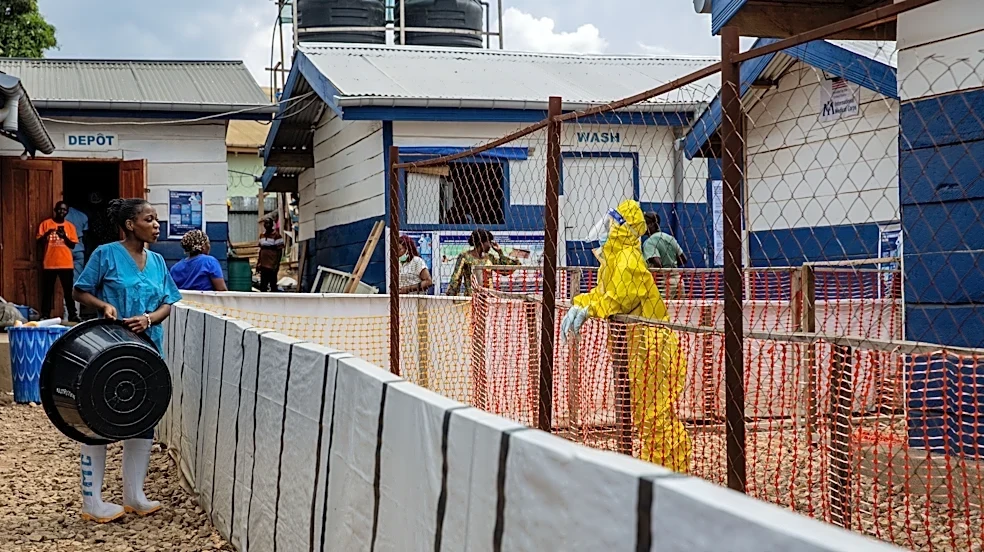
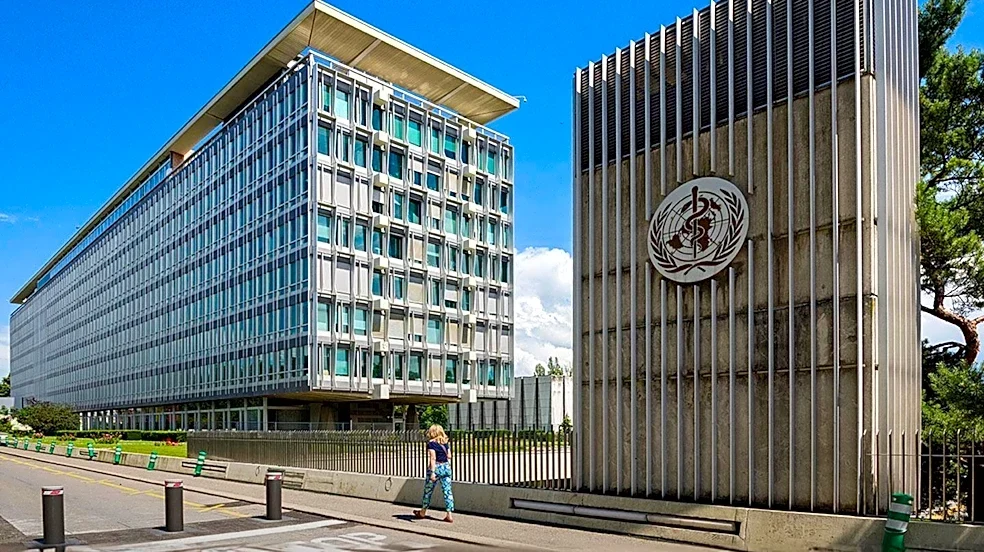
The United Nations (UN) and its partners, including UNICEF and WHO, are actively supporting response efforts to a spreading cholera outbreak in the eastern Democratic Republic of Congo (DRC). Between January and October, national authorities reported
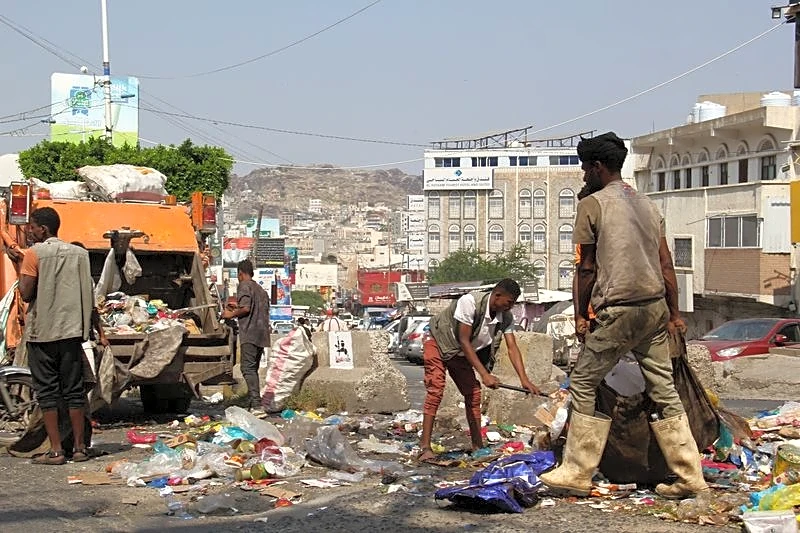
over 55,000 suspected cases. The situation is particularly critical in Tanganyika Province, southeastern DRC, where all health zones have been affected, with more than 6,300 cases reported since January—nearly 1,000 more than the previous year. Tanganyika Province has also recorded one of the highest numbers of cholera-related deaths. The treatment center in Kalemie, the provincial capital, is overwhelmed, exacerbating pressure on health services already strained by limited access to safe water and sanitation. Some households are resorting to untreated water from Lake Tanganyika and nearby rivers, increasing transmission risks. Displacement sites housing over 6,500 people have been affected, and more than 12,000 displaced individuals are at risk of infection. The UN and its partners are providing treatment, medical supplies, and water chlorination, but express deep concern over the outbreak's trajectory and call for additional support to expand treatment capacity and meet urgent needs.
Why It's Important?
This cholera outbreak highlights the severe public health challenges faced by vulnerable communities in the Democratic Republic of Congo, particularly in regions with limited infrastructure. The overwhelming of treatment centers and the reliance on unsafe water sources underscore systemic issues in water and sanitation infrastructure, which are critical for preventing such epidemics. The involvement of international organizations like UNICEF and WHO is crucial for immediate relief and capacity building, but the sustained nature of the crisis points to a need for long-term, structural investments. The high number of cases and deaths, especially in Tanganyika Province, indicates a significant humanitarian crisis that could destabilize local communities further, impacting their economic and social well-being. The risk to displaced populations is particularly concerning, as they often lack access to basic services and are more susceptible to disease outbreaks. Addressing this crisis requires not only immediate medical intervention but also comprehensive development efforts to improve living conditions and prevent future outbreaks.
What's Next?
The UN and its partners are calling for additional support to expand treatment capacity and address urgent needs in the Democratic Republic of Congo. Beyond the immediate response, sustained investment in water and sanitation infrastructure is deemed essential to prevent future outbreaks and ensure vulnerable communities have lasting access to safe water. This suggests a shift towards more durable solutions, moving beyond emergency aid to long-term development projects. International donors and humanitarian organizations will likely be approached for increased funding and resources to support these efforts. The focus will be on improving water treatment facilities, sanitation systems, and public health education to build resilience against waterborne diseases. Continued monitoring of the outbreak's trajectory and adapting response strategies will also be critical to contain the spread and mitigate its impact on affected populations.
Beyond the Headlines
The cholera crisis in the Democratic Republic of Congo underscores the broader challenges of public health in conflict-affected and impoverished regions. The reliance on untreated water sources and the overwhelmed healthcare infrastructure are symptoms of deeper issues, including governance, economic instability, and the impact of displacement. This situation highlights the ethical imperative for international cooperation in addressing global health disparities. The long-term implications extend beyond immediate health concerns, affecting education, economic productivity, and social stability. Without sustained investment in basic infrastructure and healthcare systems, such outbreaks will continue to recur, perpetuating a cycle of crisis and dependency. The crisis also brings to light the interconnectedness of health, environment, and socio-economic factors, emphasizing the need for holistic approaches to humanitarian aid and development.