


What's Happening?
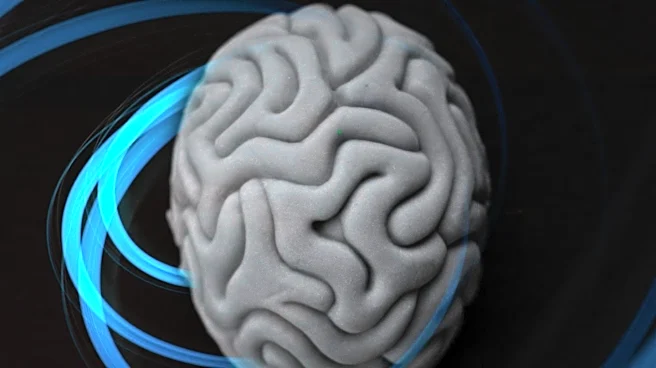
Researchers at the University of Illinois Urbana-Champaign have developed a novel method using RNA barcoding to map neural connections in the mouse brain with unprecedented speed and resolution. Led by Professor Boxuan Zhao, the team has created a platform
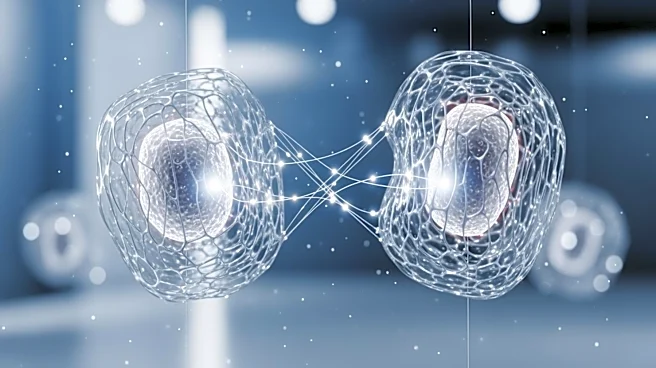
called Connectome-seq, which tags neurons with molecular 'barcodes' to identify connections among thousands of neurons. This method allows for the mapping of neural connections at a single-synapse resolution, a capability not available in current technologies. The research, published in Nature Methods, aims to enhance understanding of brain functions, dysfunctions, and the progression of neurodegenerative diseases. The Connectome-seq platform uses RNA barcodes that are carried by specialized proteins from the neuron's cell body to the synapse, where they are anchored. High-throughput sequencing is then used to determine which neurons are connected, providing a detailed map of neural connections.
Why It's Important?
This advancement in neural mapping technology holds significant implications for the study of neurodegenerative diseases and psychiatric disorders. By enabling detailed mapping of neural connections, researchers can better understand the circuitry of the brain and identify dysfunctions that may lead to diseases such as Alzheimer's. The ability to map connections quickly and cost-effectively could accelerate research into these conditions, potentially leading to the development of circuit-guided therapeutic interventions. This technology could also allow for the comparison of neural connections in healthy and diseased brains, providing insights into the early stages of disease progression and identifying vulnerable areas of the brain before symptoms appear.
What's Next?
The research team is working on further improvements to the Connectome-seq platform, with the goal of mapping the entire mouse brain. This could provide a comprehensive understanding of brain connectivity and its changes in various neurological conditions. The technology's potential to identify early changes in neural connections could lead to new strategies for preventing or slowing the progression of neurodegenerative diseases. As the platform is refined, it may also be applied to human brain research, offering new avenues for understanding and treating complex brain disorders.