

What's Happening?
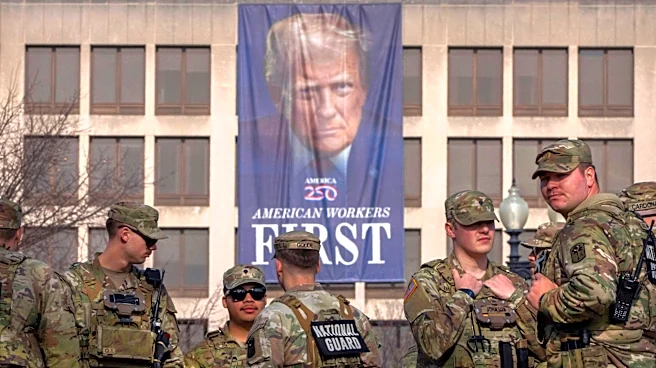
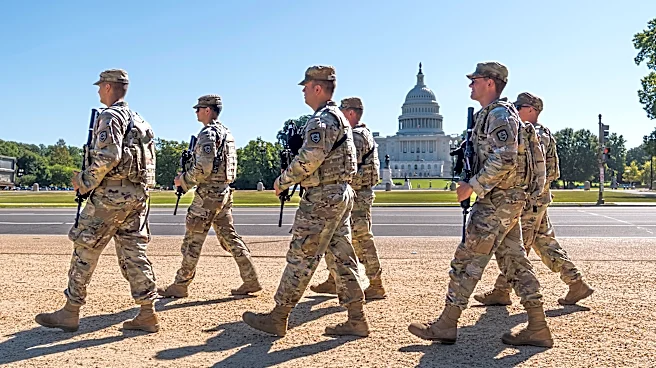
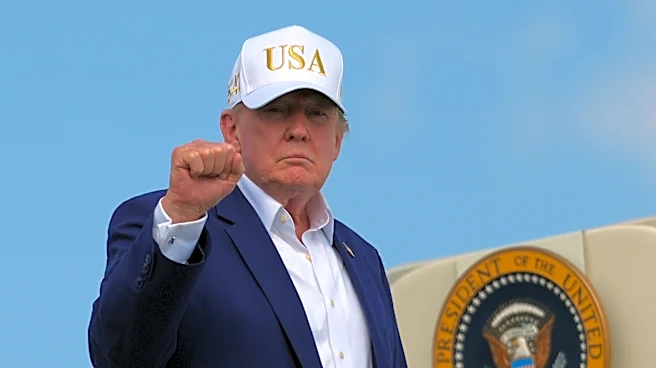
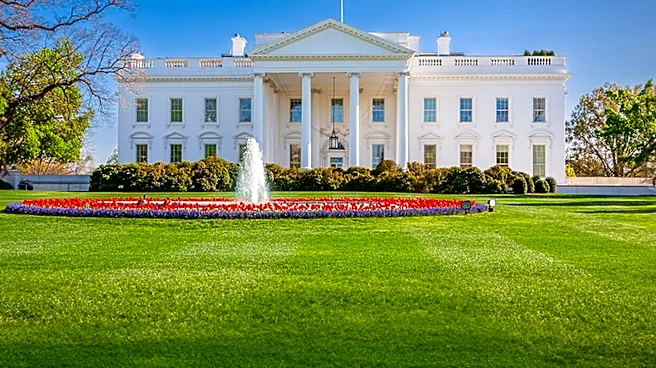
Protesters gathered near the White House to mark the one-year anniversary of President Trump's deployment of National Guard troops to Washington, D.C. The Free D.C. movement organized the protest, criticizing the continued presence of the National Guard as an 'occupation.'
The deployment was initially justified by the Trump administration as a response to a perceived crime surge, though local officials disputed this claim, citing data that showed a decrease in crime. The protestors argue that the presence of troops has not improved safety and instead contributes to a sense of insecurity among residents.
Why It's Important?
The protest underscores ongoing tensions between federal and local authorities over the use of military forces in civilian areas. The deployment has raised questions about the balance of power and the autonomy of D.C. as a federal district. The financial implications are significant, with the first year of deployment costing approximately $660 million. The situation highlights broader issues of governance and civil rights, as residents and local leaders push back against federal interventions perceived as overreach.
What's Next?
The White House has announced plans to house National Guard troops in more permanent accommodations, extending their deployment through January 2029. This decision is likely to fuel further protests and debates over the role of military forces in domestic law enforcement. Local advocacy groups, such as Free D.C., are expected to continue their efforts to challenge the deployment and advocate for greater local control. The situation may also prompt legislative or judicial actions to address the underlying issues of federal authority and local governance.