






What's Happening?
Ralph R. McKee Career and Technical Education High School in Staten Island is preparing to launch a nearly $500,000 student wellness studio that will utilize holographic technology to connect students with remote therapists. This initiative aims to make
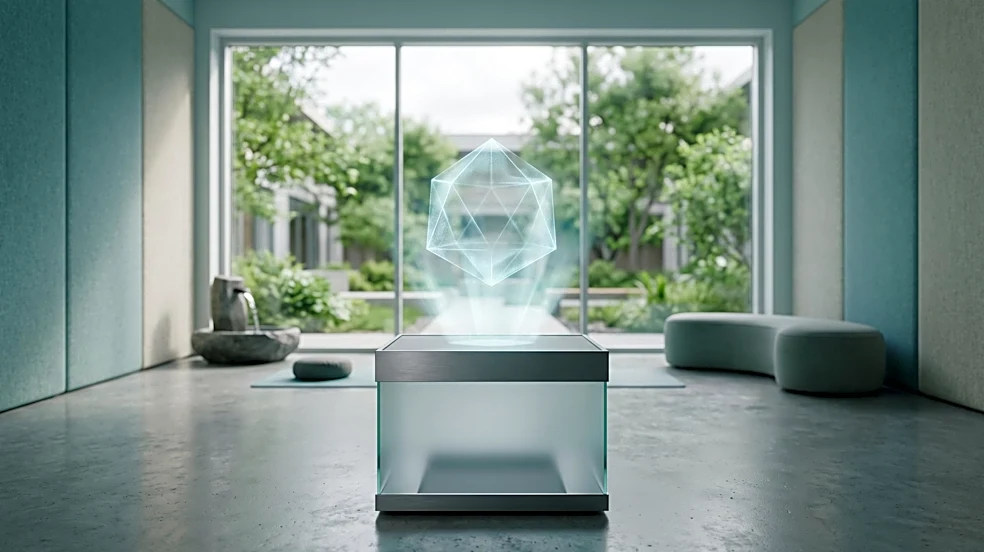
mental health services more accessible to students, particularly in light of declining youth mental health trends in New York City. The studio, developed in partnership with S.I.C. Film School, will feature a private room where students can interact with life-sized, 3-D holographic projections of therapists located miles away. This technology, created by Proto Hologram Inc., has been used in over 40 universities globally and McKee will be its first K-12 school implementation. The studio also includes areas for relaxation, podcast recording on mental health topics, and a stage for students to create their own positive holographic messages.
Why It's Important?
The introduction of holographic therapy at McKee High School represents a significant technological advancement in addressing the growing mental health crisis among youth. New York City's Department of Health and Mental Hygiene reported that 38% of high school students felt sad or depressed in 2021, a substantial increase from 27% a decade prior. This innovative approach seeks to overcome barriers to traditional therapy, such as accessibility and the feeling of presence that video calls may lack. By bringing therapists virtually into the school environment, the program aims to provide immediate and engaging support, potentially reducing the stigma associated with seeking mental health care. The success of this model could influence other educational institutions to explore similar tech-driven solutions, especially for schools with limited budgets for on-site mental health professionals.
What's Next?
The student wellness studio at Ralph R. McKee Career and Technical Education High School is expected to open in the coming weeks. While the technology is ready, questions remain regarding the specific agencies that will provide the therapists and how student privacy will be rigorously protected. Principal Gregory Bowen indicated that the Education Department would vet the therapists. The inventor of the holographic device, David Nussbaum, stated that the system has received cybersecurity and patient privacy approval. The school hopes this studio can serve as a model for other city schools, though securing additional funding will be crucial for broader implementation, as such initiatives are beyond typical school budgets. The effectiveness and student reception of this novel approach will be closely monitored.
Beyond the Headlines
This initiative delves into the ethical and practical implications of integrating advanced technology, like holograms, into sensitive areas such as mental health care for minors. While the 'feeling of presence' offered by holograms is touted as a benefit over traditional video calls, the long-term psychological impact of interacting with a holographic therapist, as opposed to a physically present one, warrants further study. There are also broader discussions about the role of technology, which some experts believe contributes to youth mental health struggles, being repurposed as a solution. The project highlights the ongoing challenge of funding innovative mental health solutions in public education and the need for robust privacy frameworks when deploying new technologies that handle sensitive personal information. It also underscores a shift towards more creative and accessible mental health interventions in educational settings.