






What's Happening?
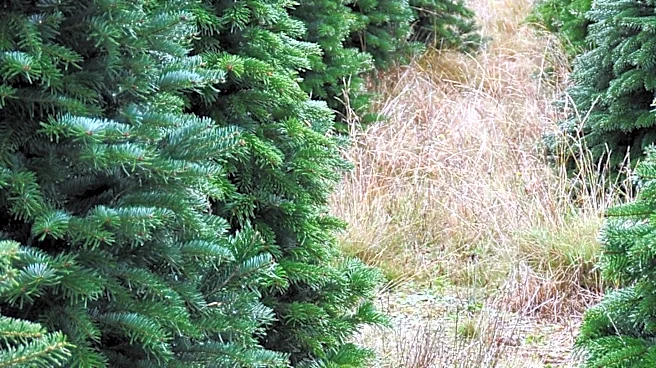
The U.S. Forest Service is encouraging the public to cut their own Christmas trees from national forests, including Arapaho and Roosevelt, Hiawatha, Ottawa, Black Hills, and Lolo National Forests. This initiative is facilitated through a permit system
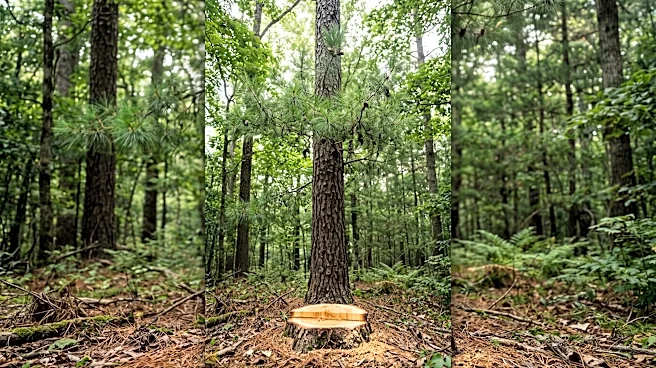
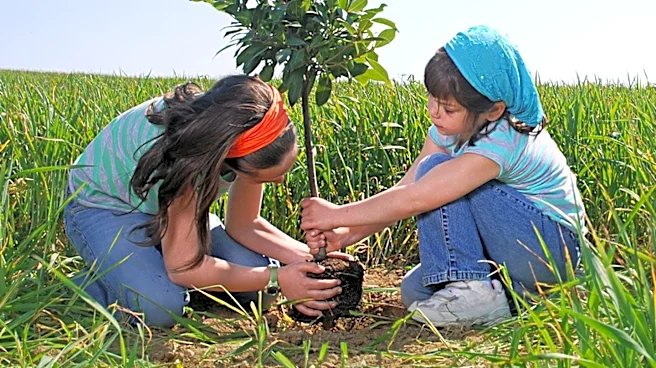
available on Recreation.gov. The permits allow individuals to harvest trees from designated areas, which forest health experts have identified as benefiting from thinning. This practice helps manage densely populated stands of small-diameter trees, allowing remaining trees to grow larger and creating more forage for wildlife. Specific guidelines regarding where and what types of trees can be cut, along with safety tips, are provided to permit holders. For instance, the Pikes Peak Ranger District began selling permits on November 16, with cutting allowed through December 23. Fourth-grade students participating in the Every Kid Outdoors program can also qualify for a free permit, though a reservation fee still applies.
Why It's Important?
This program is significant for both environmental management and public engagement. From an ecological perspective, the controlled removal of smaller trees is a vital forest health strategy. Overcrowded forests are more susceptible to disease, insect infestations, and severe wildfires. By thinning these stands, the U.S. Forest Service aims to create more resilient ecosystems, improve biodiversity by providing additional wildlife forage, and enhance the overall health of national forests. For the public, the initiative offers a unique recreational opportunity, fostering a connection to nature and creating holiday traditions. It also provides an affordable option for obtaining a Christmas tree, while simultaneously contributing to conservation efforts. The permit system ensures that tree removal is conducted sustainably and in alignment with forest management objectives, preventing indiscriminate cutting and protecting sensitive areas.
What's Next?
The U.S. Forest Service will continue to issue permits for Christmas tree cutting through the designated periods, typically concluding in late December. Public participation and adherence to guidelines will be crucial for the program's success. Forest Service officials will likely monitor the impact of tree cutting on forest health and wildlife habitats to inform future management decisions. The online permit system through Recreation.gov is expected to remain the primary channel for permit acquisition, ensuring accessibility and efficient management. Educational efforts will also likely continue to inform the public about the ecological benefits of the program and safe harvesting practices. The program's continuation depends on its effectiveness in achieving forest health goals and maintaining public interest and compliance.
Beyond the Headlines
Beyond the immediate benefits of forest thinning and holiday traditions, this program highlights a broader shift in conservation strategies that integrate public participation with ecological management. It underscores the idea that human activities, when properly managed, can contribute positively to ecosystem health rather than solely being a source of degradation. This approach could serve as a model for other public land management initiatives, encouraging citizens to become active stewards of natural resources. The program also subtly educates the public about forest dynamics and the importance of active management, moving beyond a purely preservationist mindset to one that embraces sustainable interaction with natural landscapes. The integration of technology, such as online permit systems and digital maps, further modernizes public land access and management.