






What's Happening?
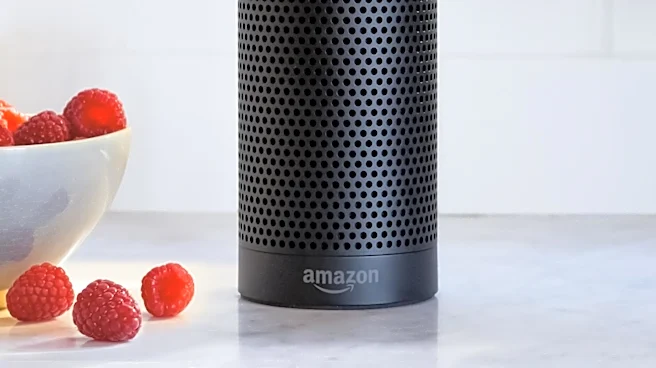
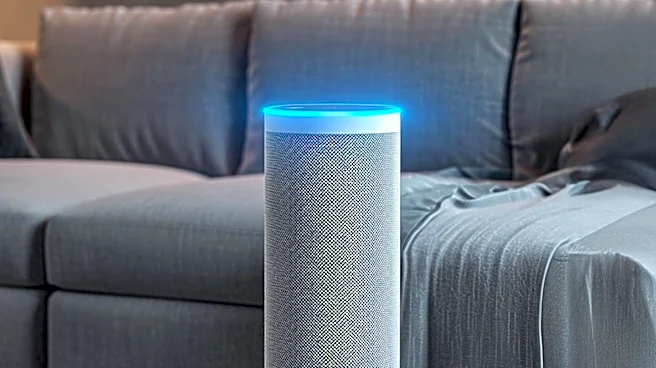
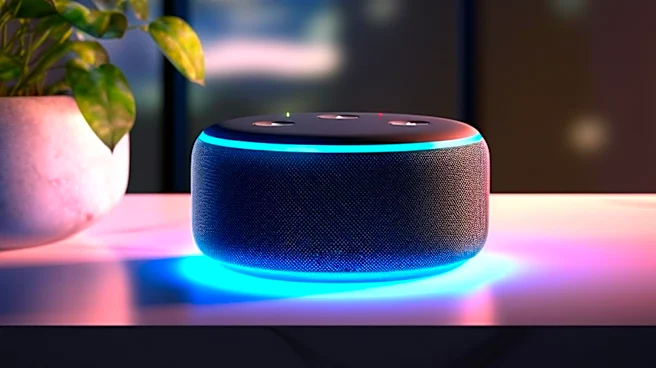
Amazon has launched a new Echo Dot in the U.S. that features a built-in smart home hub, supporting Matter, Thread, and Zigbee protocols. This marks the first time a standard Echo Dot model includes such comprehensive hub capabilities, previously limited
to more expensive Echo devices like the Echo Dot Max and Echo Studio. The new Echo Dot, priced at $99.99 in the U.S., allows users to directly pair compatible smart home devices such as lights, locks, thermostats, and sensors without needing a separate bridge. The device also incorporates Amazon's own AZ3 chip, a fourth microphone for improved voice pickup, and promises 50 percent more bass. Additionally, Omnisense sensors detect temperature and presence to trigger routines, and it functions as a Wi-Fi extender for eero networks.
Why It's Important?
This release by Amazon is a significant development for the U.S. smart home market. By integrating Matter, Thread, and Zigbee protocols into a more affordable and widely accessible device like the Echo Dot, Amazon is poised to accelerate the adoption of smart home technology. This move simplifies the smart home setup process for consumers, eliminating the need for multiple hubs and reducing complexity, which has historically been a barrier to entry. For U.S. consumers, it means greater interoperability between devices from different brands and a more streamlined user experience. For businesses in the smart home industry, it could drive increased sales of compatible devices and encourage further innovation in product development, as the market becomes more standardized and accessible. This also strengthens Amazon's position as a dominant player in the smart home ecosystem.
What's Next?
The introduction of the new Echo Dot with an integrated hub is expected to catalyze further advancements and competition in the U.S. smart home market. Other tech companies may follow suit by incorporating similar multi-protocol hub capabilities into their entry-level smart speakers or devices. Consumers can anticipate a wider array of Matter, Thread, and Zigbee-compatible devices becoming available, as manufacturers respond to the growing installed base of integrated hubs. This could lead to a more unified smart home experience, where devices from various brands communicate seamlessly. Amazon will likely continue to enhance the software and AI capabilities of the Echo Dot, leveraging the new hardware to offer more sophisticated automation and personalized routines. The focus on interoperability will also likely push for more open standards and collaboration across the industry.
Beyond the Headlines
The deeper implications of Amazon's new Echo Dot extend to the broader landscape of digital ecosystems and consumer behavior. By making advanced smart home capabilities more accessible, Amazon is further embedding its Alexa ecosystem into daily life, potentially increasing reliance on its services. This raises questions about data privacy and security, as more personal data will be processed through a single device. Culturally, it could accelerate the normalization of automated living, where homes proactively manage environmental conditions and security. Ethically, the increased data collection by a single entity like Amazon could lead to debates about data ownership and the potential for targeted advertising or personalized services based on intimate home data. The long-term shift could see smart homes becoming even more central to our digital identities, blurring the lines between physical and digital living spaces.