





What's Happening?
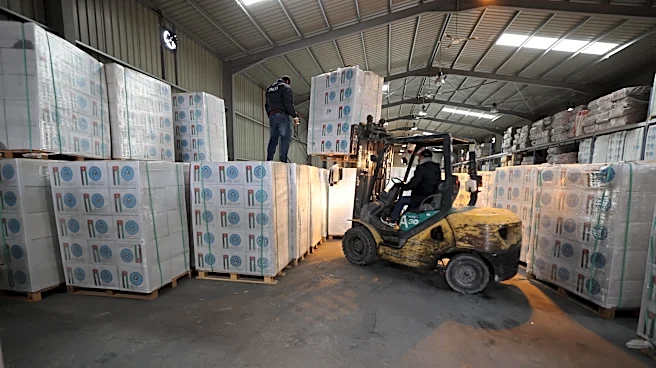
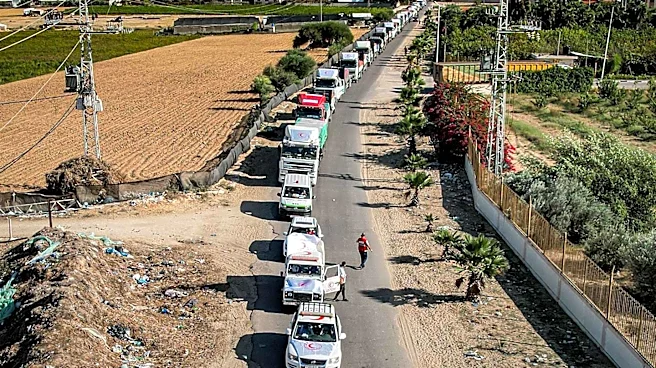
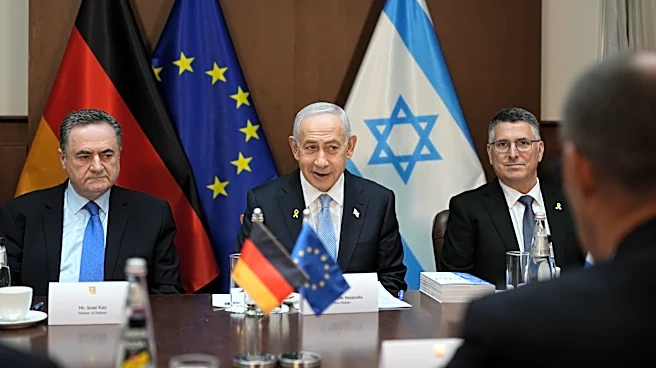
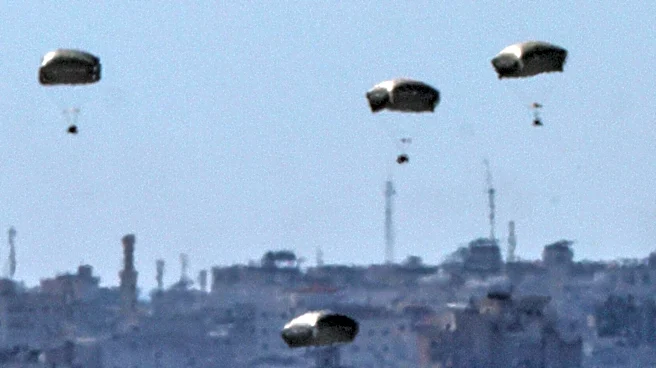
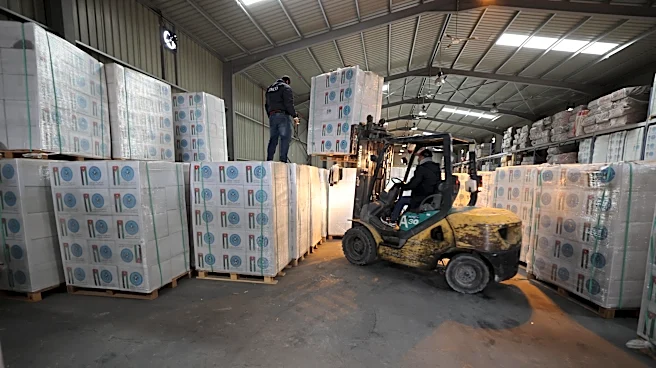
Four foreign ministers from Australia, Canada, Italy, and Britain have jointly urged Israel to allow 'immediate, rapid and unimpeded humanitarian access throughout Gaza.' Their statement highlights that approximately 150,000 tents and other vital supplies
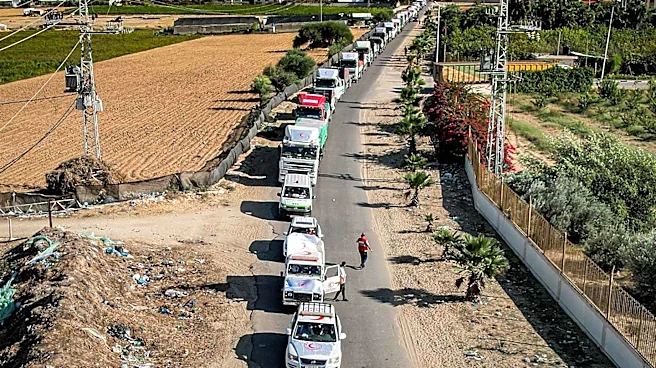
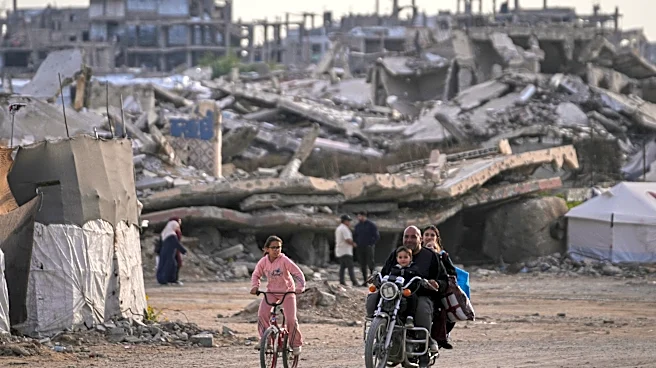
are being held at the border, despite a dire humanitarian situation exacerbated by the onset of winter. The ministers emphasized that people in Gaza desperately need shelter and humanitarian assistance, noting that recent floods have brought further suffering and that a nine-month-old baby has already died from falling temperatures. Ireland's Foreign Minister, Helen McEntee, also stated that it is 'simply not acceptable' that life-saving material is stalled at the border while people, including children, are dying from hypothermia and starvation. This joint appeal follows a previous call by 53 UN member states and other organizations for Israel's incoming government to lift restrictions on aid entry and for humanitarian corridors through Egypt and Jordan to operate fully.
Why It's Important?
This joint statement from four significant foreign ministers underscores the escalating international concern over the humanitarian crisis in Gaza. The call for 'rapid and unimpeded' access highlights the critical bottleneck in aid delivery, which is preventing essential supplies from reaching a population in desperate need. The specific mention of 150,000 tents and other vital supplies being held at the border illustrates the tangible impact of these restrictions on the ground, where winter conditions are worsening the suffering. The death of a nine-month-old baby due to cold further emphasizes the urgency and the severe consequences of delayed aid. This collective diplomatic pressure aims to influence Israeli policy regarding humanitarian access, potentially leading to a more streamlined and effective aid delivery mechanism. The involvement of multiple nations also signals a growing consensus within the international community that humanitarian considerations must take precedence amidst the ongoing conflict.
What's Next?
The immediate next steps will likely involve continued diplomatic engagement and pressure on Israel to open crossings and allow the entry of humanitarian aid, including 'dual-use items' necessary for humanitarian operations and early recovery. The foreign ministers' statement explicitly calls for Israel to 'stop the delays now.' International organizations and aid agencies will continue to monitor the situation and advocate for increased access. The Israeli military authority, which controls the Gaza crossings, has indicated it is coordinating a winter plan with the US-led Board of Peace and the UN, and has reported that 93,000 tents and 8,600 aid trucks with winter supplies have entered the territory. However, the discrepancy between the reported aid entry and the 150,000 tents still held at the border suggests ongoing challenges. Future discussions will likely focus on resolving these logistical and political hurdles to ensure aid reaches those in need before winter fully sets in.
Beyond the Headlines
The ongoing struggle to deliver humanitarian aid into Gaza highlights broader issues concerning the conduct of warfare and adherence to international humanitarian law. The deliberate or indirect obstruction of aid can have severe consequences for civilian populations, raising questions about accountability and the protection of non-combatants. The 'dual-use items' issue, where materials that could have military applications are restricted, often creates a significant barrier to humanitarian efforts, as many essential items for reconstruction and daily life can fall under this category. This situation also underscores the complex interplay between security concerns and humanitarian imperatives in conflict zones. The international community's repeated calls for unimpeded access reflect a growing recognition that humanitarian aid should not be politicized or used as a bargaining chip. The long-term implications include potential shifts in international policy regarding aid delivery in conflict areas and increased scrutiny of states' obligations under international law.