


What's Happening?
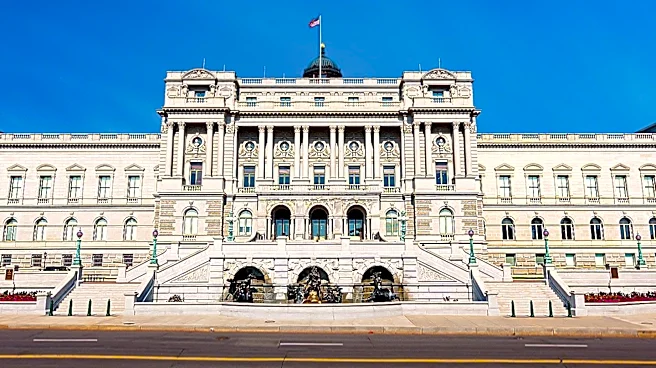
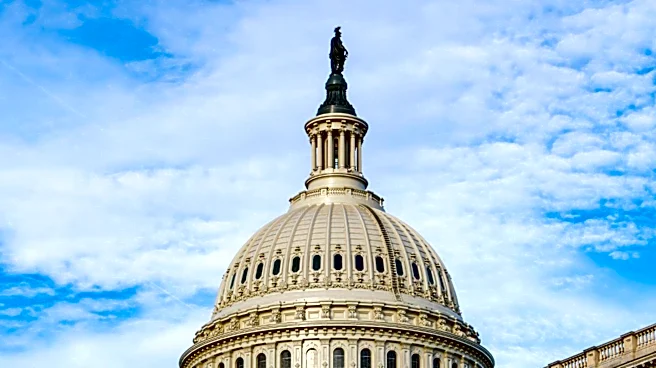
The Library of Congress, recognized as the largest library globally, functions as the principal research body for the U.S. Congress. It houses an extensive collection of millions of items, including books, films, audio recordings, photographs, newspapers,
maps, and manuscripts. Beyond its role as a research institution for lawmakers, the Library also serves as the home of the U.S. Copyright Office. Its overarching mission is to preserve and provide access to a diverse and enduring source of knowledge, aiming to inform, inspire, and engage individuals in their intellectual and creative pursuits. The Library's organizational structure includes the Office of the Librarian, which manages policy and programs; the Congressional Research Service, offering confidential and objective research to Congress; and the U.S. Copyright Office, administering copyright laws and assisting Congress, courts, and executive agencies on copyright matters. The Library Collections & Services Group is responsible for acquiring, organizing, providing access to, maintaining, securing, and preserving the universal collections.
Why It's Important?
The Library of Congress plays a critical role in the functioning of the U.S. government by providing essential research and analysis to the legislative branch. Its comprehensive collections and specialized services, such as the Congressional Research Service, ensure that Congress has access to objective and authoritative information necessary for informed decision-making and legislative debate. This directly impacts public policy and governance in the United States. Furthermore, as the home of the U.S. Copyright Office, the Library is central to the administration of intellectual property laws, affecting creators, industries, and the economy nationwide. The preservation of vast cultural and historical resources within the Library safeguards national heritage and provides a foundation for future innovation and scholarship, influencing educational and cultural sectors across the country.
What's Next?
The Library of Congress has outlined a Strategic Plan for FY2024-FY2028, indicating ongoing efforts to enhance its services and accessibility. This plan likely involves continued digitization initiatives to make its vast collections more widely available online, further expanding its reach beyond physical visitors in Washington, D.C. The Library will also continue to support the U.S. Copyright Office in adapting to evolving intellectual property challenges and providing expert guidance on copyright law. Future developments may include new programs and partnerships aimed at engaging the public and researchers, ensuring its relevance in an increasingly digital world. The continuous acquisition and preservation of materials will remain a core function, adapting to new formats and types of information to serve future generations.
Beyond the Headlines
Beyond its immediate functions, the Library of Congress embodies a profound commitment to the principles of democracy and intellectual freedom. By providing free and open access to information, it acts as a bulwark against misinformation and promotes an informed citizenry, which is fundamental to a healthy democratic society. The Library's role in preserving diverse perspectives and historical records ensures that future generations can critically examine the past and shape the future. Its efforts to make knowledge accessible, both physically and digitally, underscore the ethical imperative of universal access to information. This institution is not merely a repository of books but a dynamic cultural and intellectual hub that fosters critical thinking, creativity, and civic engagement, influencing the long-term intellectual and cultural landscape of the United States.