






What's Happening?
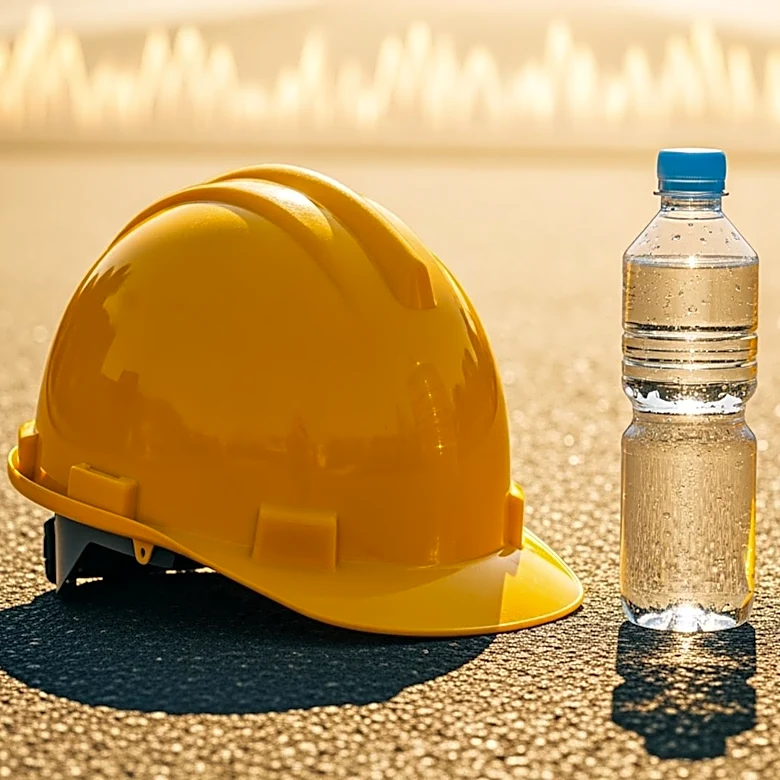
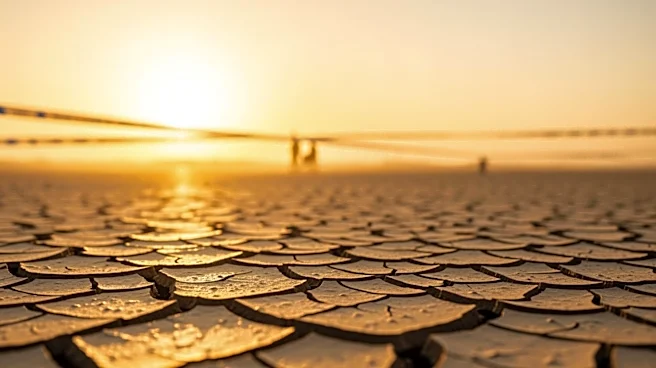
Meteorologists are predicting that New York City could experience one of its hottest summers on record due to the potential formation of a 'super El Niño'. This phenomenon, characterized by unusually warm Pacific Ocean surface waters, is expected to disrupt
global weather patterns, leading to higher temperatures and more severe storms. The National Oceanic and Atmospheric Administration's Climate Prediction Center reports a 62% chance of El Niño forming between June and August, with a 25% chance of it being classified as 'very strong'. This could result in New York City experiencing up to 22 days with temperatures exceeding 90 degrees Fahrenheit, compared to the average of 18 days since 2011. The city has already seen record-breaking temperatures, with Central Park hitting 90 degrees in April, the hottest since 1941.
Why It's Important?
The potential for a 'super El Niño' poses significant challenges for New York City and other regions affected by this climatic event. Higher temperatures can exacerbate public health issues, particularly for vulnerable populations such as the elderly and those with pre-existing health conditions. Additionally, increased temperatures can strain energy resources as demand for air conditioning rises, potentially leading to power outages. The economic impact could also be substantial, affecting sectors such as agriculture, tourism, and retail. Furthermore, the increased likelihood of severe storms and an active hurricane season could lead to property damage and disrupt daily life.
What's Next?
If the 'super El Niño' materializes, city officials and residents may need to prepare for prolonged periods of extreme heat. This could involve implementing heat mitigation strategies, such as opening cooling centers and ensuring the availability of emergency services. The city may also need to enhance its infrastructure to cope with increased energy demands and potential storm damage. On a broader scale, this event could prompt discussions on climate resilience and the need for sustainable urban planning to address the impacts of climate change.