






What's Happening?
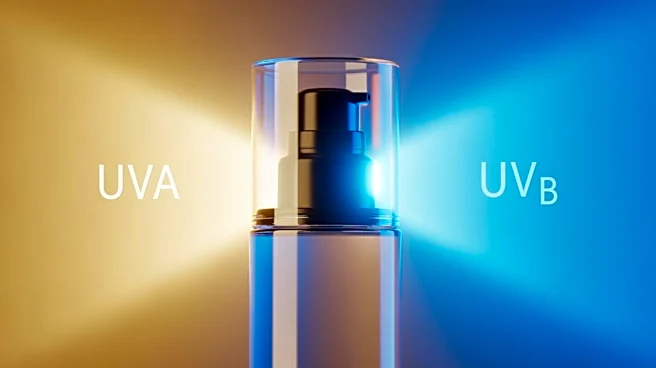
The FDA has approved bemotrizinol (BEMT), a chemical UV filter used in European and Asian sunscreens for over 20 years. This marks the first significant update to U.S. sunscreen formulas in decades. Bemotrizinol is known for its ability to absorb both
UVA and UVB rays without breaking down easily in sunlight, offering more effective protection against skin cancer and wrinkles. Historically, U.S. sunscreens have lagged behind due to stringent regulatory processes, which classify them as non-prescription drugs. This has resulted in slower innovation compared to countries like the UK, South Korea, and Japan, where sunscreens are treated as cosmetics. The approval of bemotrizinol is expected to improve the efficacy and application of U.S. sunscreens, although it will take over a year for these new products to become available.
Why It's Important?
The approval of bemotrizinol is a significant advancement for the U.S. sunscreen industry, which has been criticized for its outdated formulations. By providing better protection against both UVA and UVB rays, bemotrizinol can help reduce the risk of skin cancer and premature aging. This development is particularly important as UVA rays, which penetrate deeper into the skin, are not adequately blocked by current U.S. sunscreen ingredients. The introduction of bemotrizinol could also lead to more cosmetically appealing sunscreens that do not leave a white cast or feel greasy, addressing common consumer complaints. This change could enhance consumer trust and satisfaction with domestic sunscreen products.
What's Next?
DSM Nutritional Products, the company that filed for FDA approval, will have exclusive rights to sell bemotrizinol in the U.S. for 18 months. After this period, other cosmetic companies are expected to incorporate the ingredient into their products. This could lead to a broader range of sunscreen options for consumers, potentially aligning U.S. products more closely with international standards. Dermatologists may begin recommending these new formulations for their enhanced protective qualities. Additionally, the approval could prompt further regulatory reviews of other advanced sunscreen ingredients, potentially accelerating innovation in the industry.