



What's Happening?
NATO is preparing to launch the Arctic Sentry mission, aimed at enhancing its military presence in the Arctic region. This development comes amid tensions between U.S. President Trump and European allies over Greenland. The mission, expected to be approved
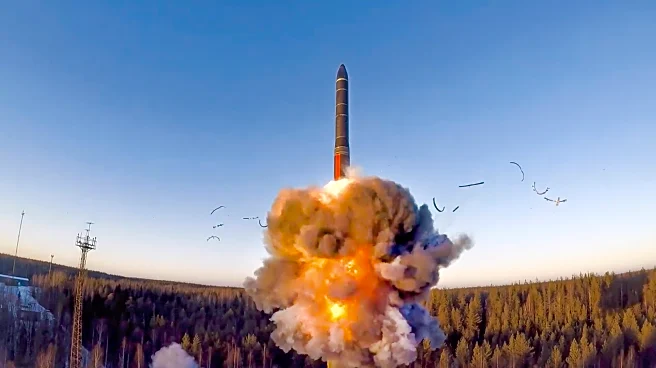
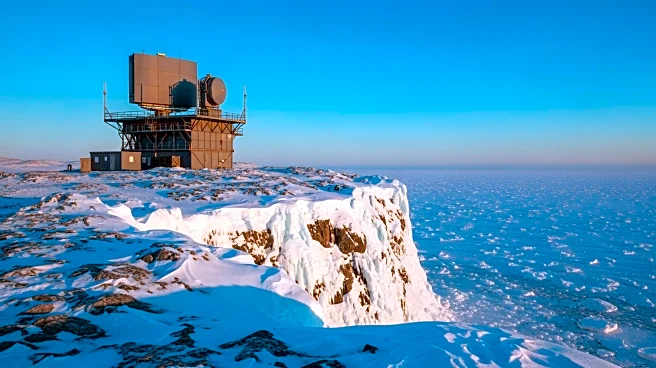
by NATO defense ministers this week, will involve increased surveillance and military exercises, as well as the deployment of additional vessels and air assets, including drones. The initiative is part of NATO's strategy to bolster deterrence and defense capabilities in response to Russia's military activities and China's growing interest in the Arctic. The mission will focus on optimizing the use of existing NATO resources rather than deploying large new forces.
Why It's Important?
The Arctic Sentry mission underscores the strategic importance of the Arctic region, which is becoming a focal point for geopolitical tensions. The mission aims to counterbalance Russia's military activities and China's interest in the region, which could have significant implications for global security dynamics. For the U.S. and its NATO allies, maintaining a strong presence in the Arctic is crucial for safeguarding interests and ensuring stability. The mission also highlights the ongoing diplomatic challenges between the U.S. and its European allies, particularly concerning President Trump's ambitions regarding Greenland. The outcome of this mission could influence future NATO strategies and alliances.
What's Next?
NATO's defense ministers are expected to finalize the details of the Arctic Sentry mission during their meeting in Brussels. If approved, the mission could be operational soon, with planning already in advanced stages. NATO's Supreme Allied Commander, General Alexus Grynkewich, is set to receive a briefing on the mission's planning from NATO's Joint Force Command. The mission's progress will be closely monitored by global stakeholders, including Russia and China, who may respond with their own strategic adjustments. The success of the mission could lead to further NATO initiatives in the Arctic.