
What's Happening?
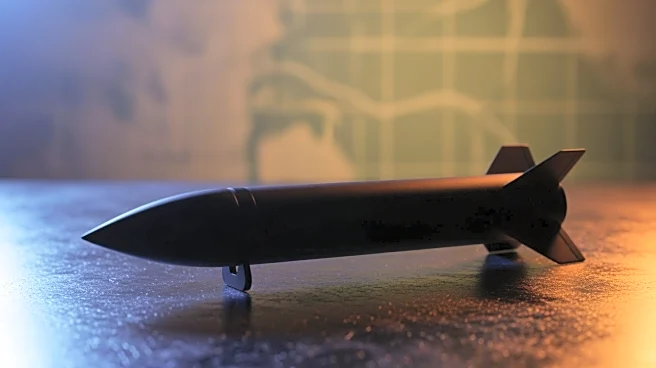
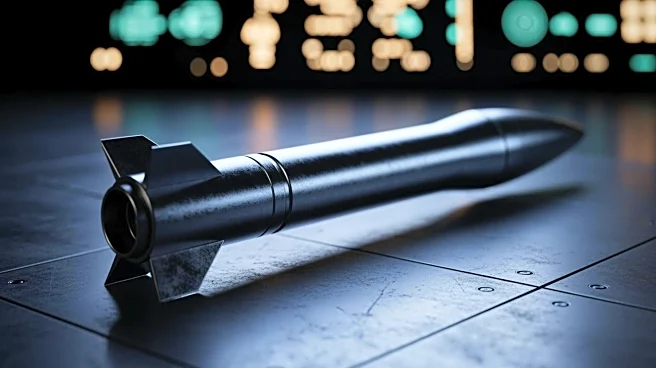
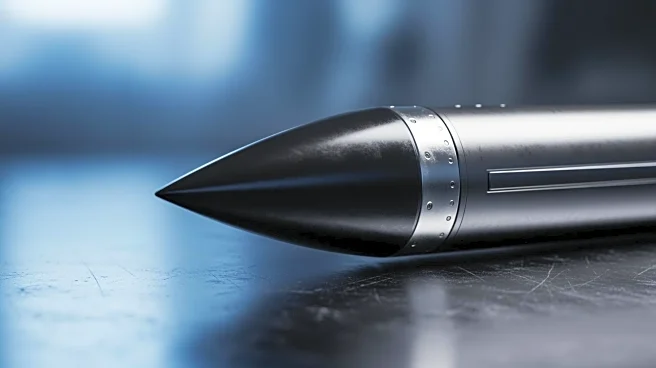
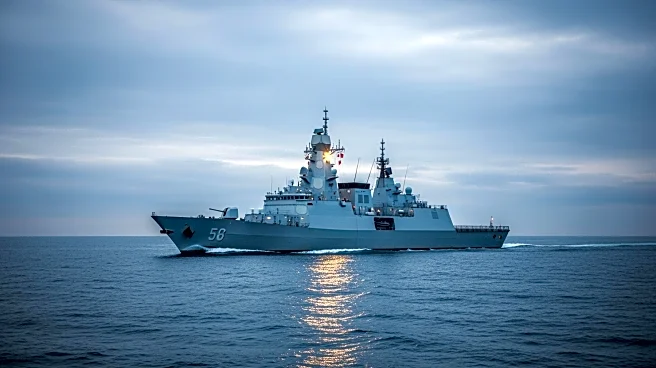
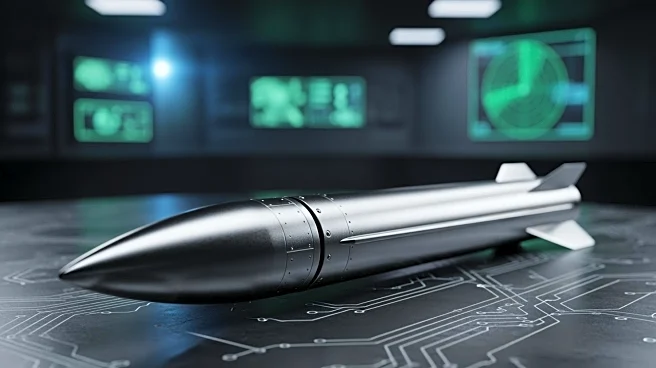
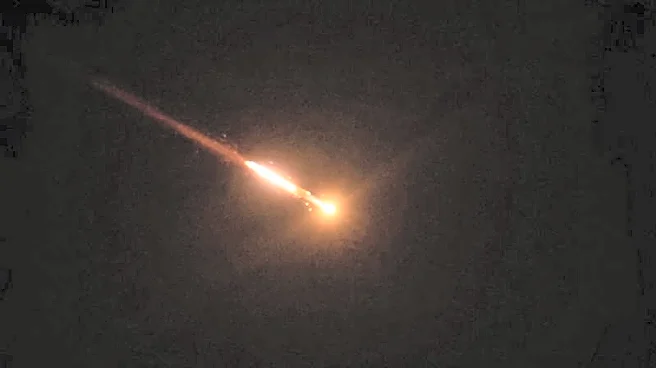
The U.S. military is reportedly facing a significant depletion of its Tomahawk missile stockpile due to extensive use in the ongoing conflict with Iran. According to reports from The Washington Post and the Daily Mail, approximately 850 Tomahawk missiles
have been launched, each costing between $2 million and $3.6 million. These missiles are a critical asset for the U.S. Navy, allowing for long-distance strikes without risking pilot safety. Concerns have been raised within the Pentagon about the pace of depletion, with some officials describing the stockpile as 'alarmingly low.' The production of Tomahawk missiles is limited, with only a few hundred produced annually, and just 57 procured last year. The Pentagon is considering transferring missiles from other regions, such as the Indo-Pacific, to sustain operations in the Middle East. Despite these concerns, Pentagon spokesman Sean Parnell assured that the Defense Department is equipped to conduct missions as needed.
Why It's Important?
The depletion of Tomahawk missiles has significant implications for U.S. military strategy and readiness. These missiles have been a cornerstone of U.S. military power since the Gulf War, providing a strategic advantage by enabling precise, long-range strikes. The current shortage could impact the U.S. military's ability to respond to ongoing and future conflicts effectively. The situation highlights the challenges of maintaining military readiness amid prolonged engagements and the need for increased production capabilities. The potential transfer of missiles from other regions could also affect U.S. military presence and strategy in those areas, particularly in the Indo-Pacific, where geopolitical tensions are high. The situation underscores the importance of balancing immediate military needs with long-term strategic planning.
What's Next?
In response to the depletion, the Pentagon is exploring options to ramp up production of Tomahawk missiles to meet the rising demand. Military experts are assessing usage rates to determine the number of missiles required for the current conflict and potential future engagements. The decision to transfer missiles from other regions will likely involve strategic considerations about maintaining military balance and readiness across different theaters. The Pentagon's response to these challenges will be closely watched by military analysts and policymakers, as it could influence future defense procurement and strategy.