
What's Happening?
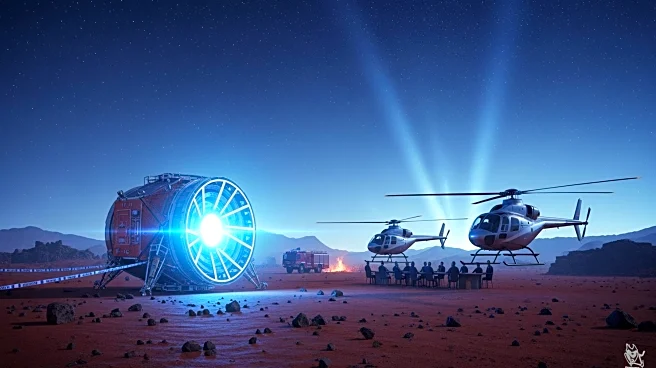
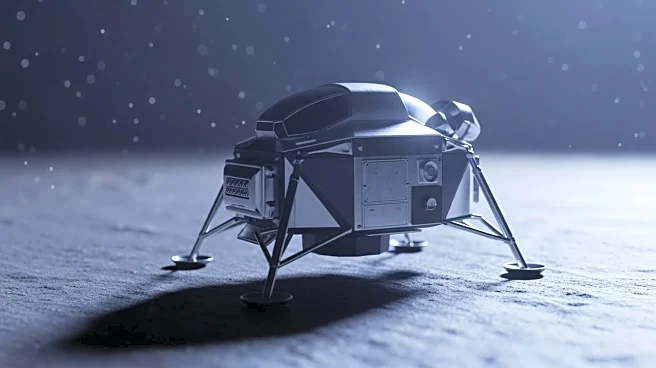
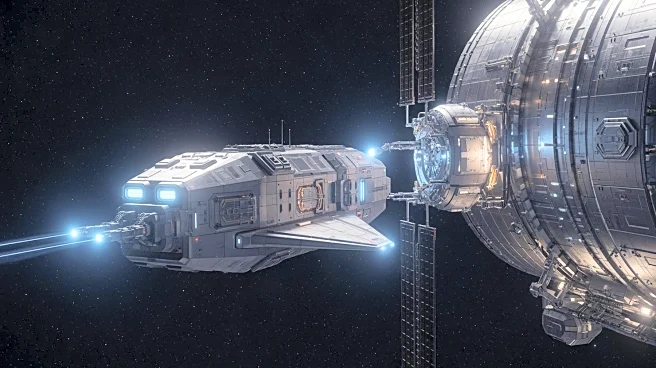
NASA has announced an ambitious plan to launch a nuclear-powered mission to Mars in December 2028, featuring a fleet of small helicopters as part of the Skyfall mission. This mission aims to utilize nuclear electric propulsion, a technology that uses
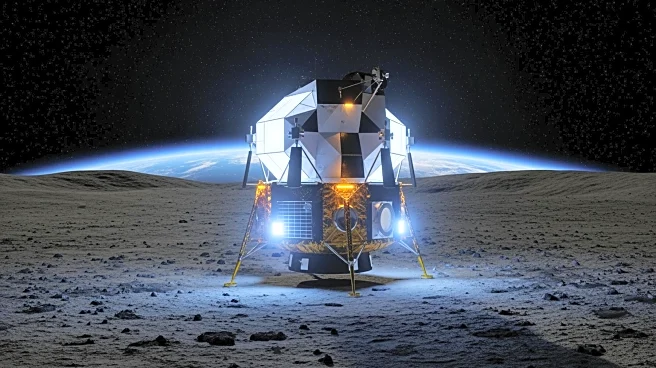
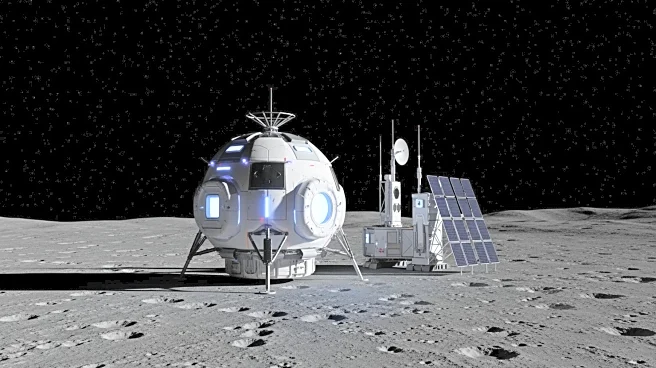
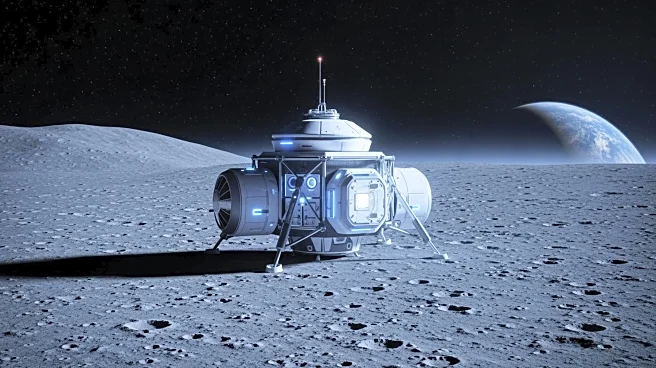
a small reactor to generate electricity for highly efficient electric thrusters. This approach marks a significant shift from traditional propulsion systems and is expected to enhance deep-space exploration capabilities. The Skyfall mission is part of NASA's broader strategy to explore deeper into space, alongside its ongoing efforts under the Artemis program to establish a human presence on the Moon.
Why It's Important?
The Skyfall mission represents a pivotal advancement in space exploration technology, potentially revolutionizing how spacecraft travel across deep space. By employing nuclear electric propulsion, NASA aims to achieve more efficient and sustainable space travel, which could significantly reduce travel time and increase payload capacity for future missions. This development is crucial for maintaining U.S. leadership in space exploration, especially as global competition intensifies. The success of this mission could pave the way for more ambitious projects, including manned missions to Mars and beyond, thereby expanding human presence in the solar system.
What's Next?
As NASA prepares for the Skyfall mission, the agency will focus on developing and testing the necessary nuclear propulsion technology. This includes establishing regulatory and launch precedents and activating the industrial base for future fission power systems. Concurrently, NASA will continue to advance its lunar exploration plans under the Artemis program, aiming to build a sustainable human presence on the Moon. These efforts will require collaboration with industrial and international partners to ensure the successful implementation of these groundbreaking technologies.