






What's Happening?
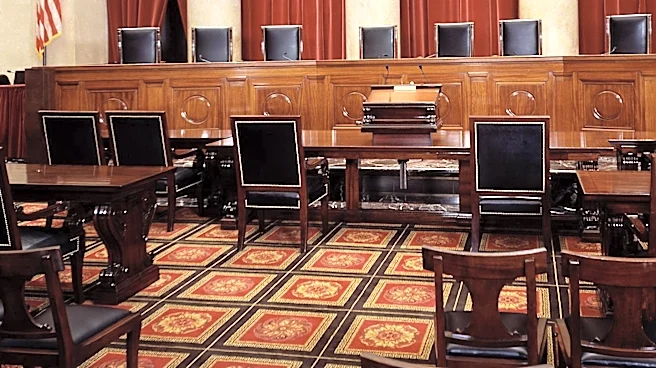
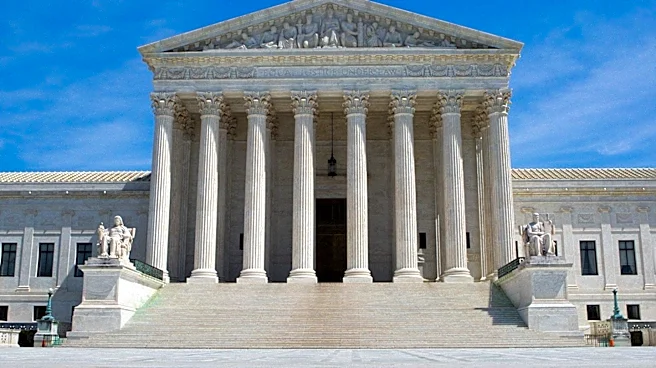
The federal judiciary in the United States is structured around the Supreme Court, Courts of Appeals, and other inferior courts established by Congress. This judicial branch holds power over cases concerning the federal constitution, federal statutes,
federal regulations, and treaties with foreign nations. The Supreme Court possesses both original and appellate jurisdiction, with its appellate powers defined by federal statutes. A defining characteristic of federal judges, including those in the Supreme Court and inferior courts, is their lifetime tenure, provided they maintain 'good Behaviour.' Furthermore, their compensation cannot be diminished during their time in office, ensuring judicial independence. The judicial power extends to a broad range of cases, including those involving the U.S. as a party, disputes between states, and cases involving foreign entities or citizens from different states. Criminal cases in federal courts are tried by jury in the state where the alleged federal crime occurred.
Why It's Important?
The structure and powers of the federal judiciary are fundamental to the U.S. system of government, ensuring a consistent application of federal law across the nation. The lifetime tenure of federal judges is crucial for maintaining their independence from political pressures and public opinion, allowing them to make decisions based solely on legal principles and facts. This insulation from external influence is vital for upholding the rule of law and protecting constitutional rights. The inability to reduce judges' compensation further reinforces this independence. The broad jurisdiction of federal courts, covering constitutional matters, federal laws, and international treaties, means that their decisions have far-reaching implications for individuals, businesses, and governmental entities. These courts serve as the ultimate arbiters of legal disputes, shaping public policy and societal norms through their interpretations of the law. The Supreme Court's rulings, in particular, set binding precedents for all federal and state courts on questions of federal law, profoundly impacting legal frameworks nationwide.
What's Next?
The established structure of the federal judiciary is designed for long-term stability, with federal judges serving for life. Therefore, significant structural changes are not immediately anticipated. However, the composition of the federal judiciary, particularly the Supreme Court, will continue to evolve through presidential appointments and Senate confirmations as vacancies arise due to retirements or deaths. These appointments are critical, as they can shift the ideological balance of the courts and influence legal interpretations for decades. Future cases brought before these courts will continue to define the scope of federal power, individual rights, and the application of federal statutes and regulations. The ongoing process of judicial review means that the federal judiciary will remain a central player in addressing complex legal and societal issues, with each new ruling potentially setting new precedents and shaping the legal landscape for years to come.
Beyond the Headlines
The lifetime tenure and protected compensation of federal judges are cornerstones of the U.S. legal system, designed to foster an impartial judiciary. This design, however, also leads to profound long-term implications. The ideological leanings of judges appointed today can influence legal interpretations and societal development for generations, creating a lasting legacy that transcends political cycles. This can lead to intense political battles over judicial appointments, as both the executive and legislative branches recognize the enduring impact of these selections. The federal judiciary's role extends beyond merely resolving disputes; it acts as a critical check on the legislative and executive branches, ensuring that governmental actions adhere to constitutional principles. This balance of power is essential for maintaining democratic governance and protecting civil liberties. The ongoing dialogue between judicial decisions and public sentiment, while judges are insulated from direct electoral pressure, highlights the complex interplay between law, politics, and societal values in the United States.