






What's Happening?
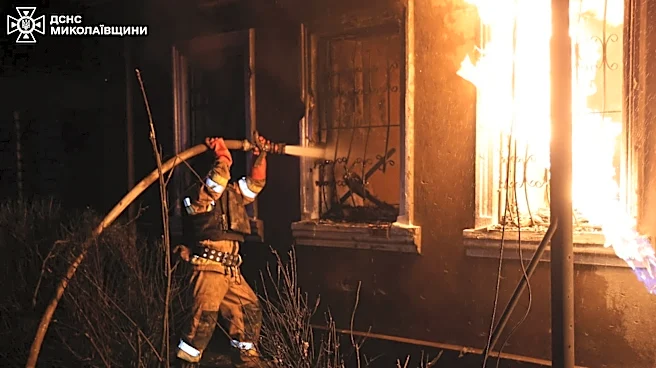
Ukrainian forces have escalated their military operations against Russian targets, focusing on oil infrastructure and military assets in Crimea and other regions. On May 2, 2026, Ukrainian forces targeted a Russian Iskander ballistic missile system and radar
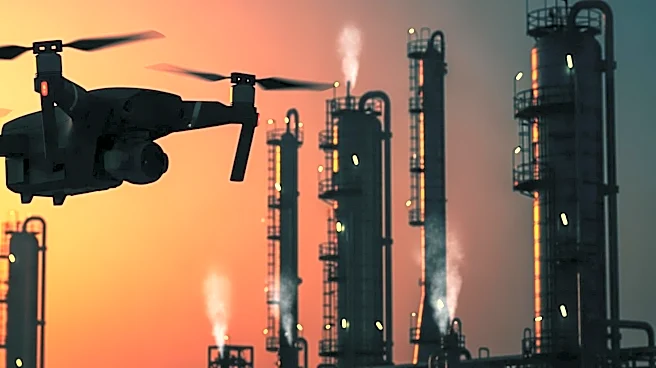
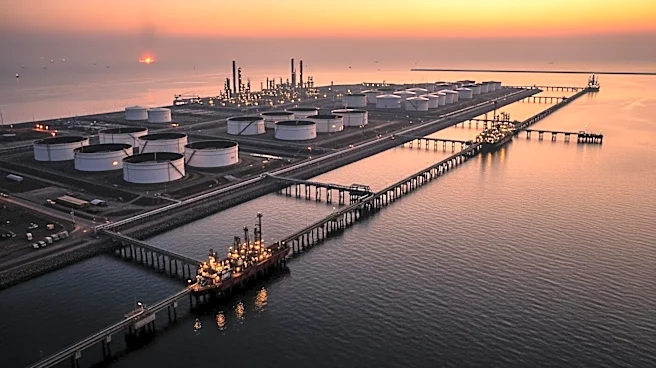
stations in Crimea. The following day, Ukrainian drones attacked a Russian Karakurt-class missile ship, a patrol boat, and a tanker in the Primorsk port, as well as two shadow fleet vessels near Novorossiysk port. These operations are part of Ukraine's strategy to weaken Russia's military capabilities and disrupt its energy sector, which is crucial for funding Moscow's ongoing military activities.
Why It's Important?
The intensified Ukrainian strikes on Russian oil infrastructure highlight the strategic importance of energy resources in the ongoing conflict. By targeting these assets, Ukraine aims to undermine Russia's economic stability and military funding. The attacks on the shadow fleet, used to circumvent Western sanctions, also signal Ukraine's commitment to enforcing international economic measures against Russia. This escalation could lead to increased tensions and further international involvement, as both sides seek to gain an upper hand in the conflict. The disruption of oil exports could have broader implications for global energy markets, potentially affecting oil prices and supply chains.
What's Next?
The continuation of these targeted strikes suggests a prolonged conflict with potential for further escalation. Ukraine's strategy may prompt Russia to bolster its defenses and retaliate, possibly leading to increased military engagements. International stakeholders, including Western allies, may need to reassess their support strategies for Ukraine, balancing military aid with diplomatic efforts to de-escalate tensions. The situation could also influence global energy policies, as countries dependent on Russian oil may seek alternative sources to mitigate supply disruptions.
Beyond the Headlines
The conflict underscores the complex interplay between military actions and economic sanctions in modern warfare. The targeting of oil infrastructure not only impacts military capabilities but also raises ethical questions about the use of economic resources as a weapon. The situation in Crimea highlights the broader geopolitical struggle for influence in Eastern Europe, with potential long-term shifts in regional power dynamics. The conflict also poses humanitarian challenges, as civilian areas are increasingly affected by military operations, necessitating international humanitarian responses.