






What's Happening?
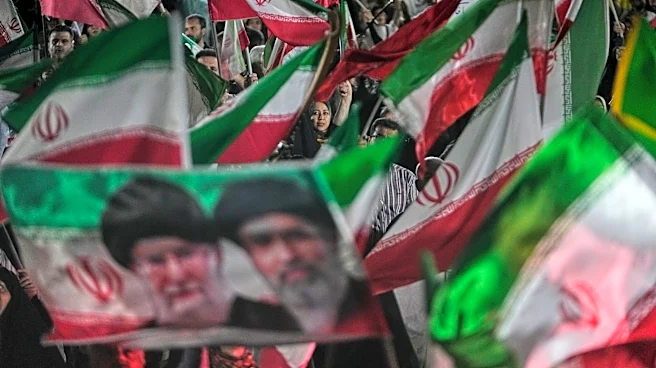
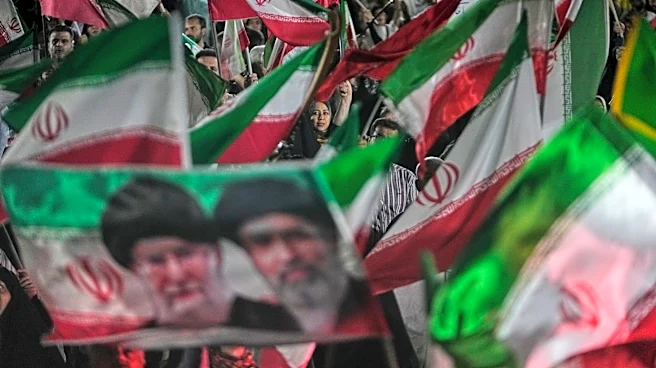
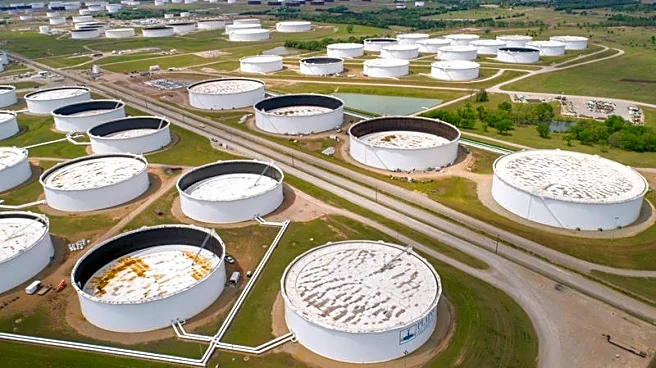
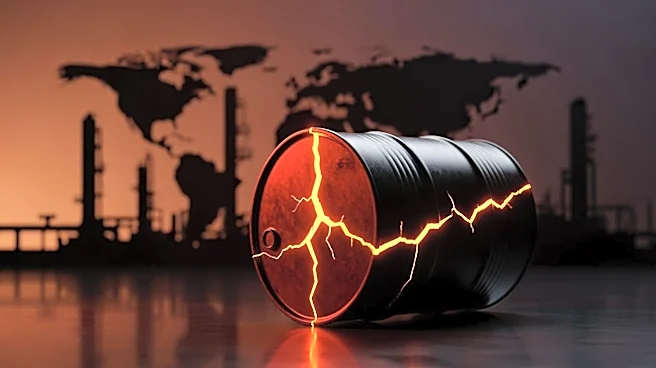
The ongoing conflict involving U.S.-Israeli strikes on Iran has led to significant disruptions in global oil and LNG markets. Over the past 90 days, the world has lost approximately 1 billion barrels of crude oil supply, causing oil and gas prices to rise
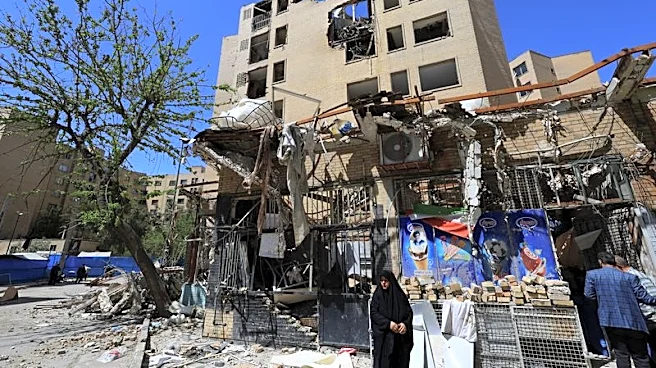
sharply. The closure of the Strait of Hormuz, a critical chokepoint for global oil supply, has forced Middle Eastern producers to curtail output. This has resulted in severe supply shortages, particularly in Asia, and has led to a reconfiguration of trade routes and shipping practices. The conflict has also impacted LNG production, with Qatar halting production due to damage from missile strikes.
Why It's Important?
The disruption in energy markets due to the Iran conflict has far-reaching implications for global economies and energy security. The loss of oil supply and the resulting price volatility could lead to increased energy costs for consumers and businesses worldwide. The reconfiguration of trade routes and shipping practices highlights the vulnerability of global energy supply chains to geopolitical tensions. The situation underscores the need for diversified energy sources and strategies to mitigate the impact of such disruptions. The conflict also raises concerns about the stability of the Middle East and its implications for global energy markets.