







What's Happening?
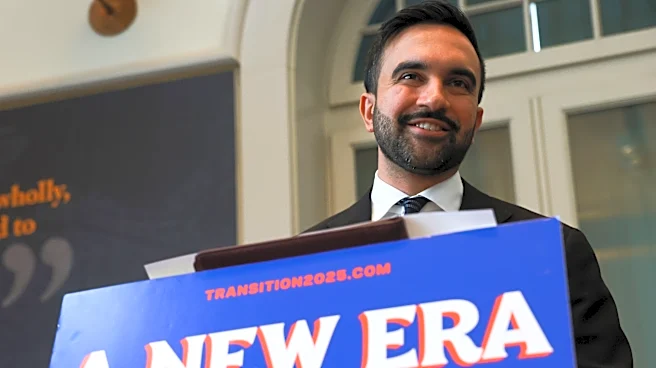
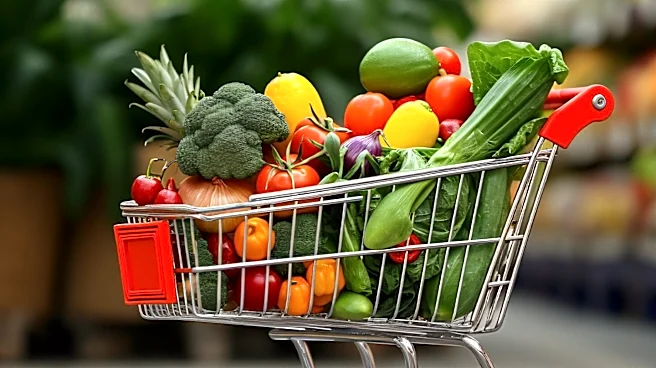
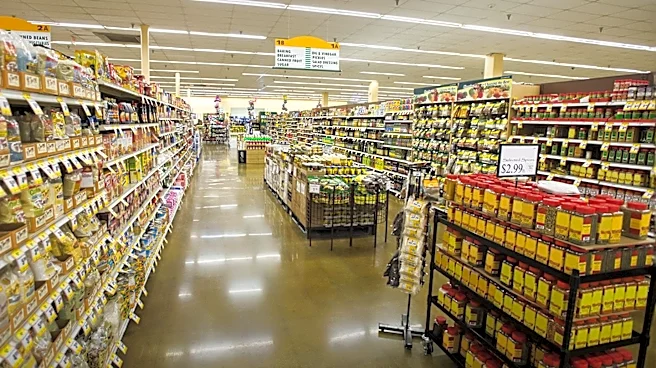
New York Mayor Zohran Mamdani has unveiled plans to open municipal grocery stores across the city's boroughs, promising significant savings on essential food items. The initiative aims to offer a 30% discount on staples such as fresh produce, meat, seafood,
milk, bread, and cheese. The city estimates that these savings could amount to approximately $1,000 annually for the average shopper. The plan includes a request for proposals from private operators interested in managing the stores, which will provide family-sustaining wages and benefits to employees. The first store is expected to open in 2027 in the Bronx, with additional locations planned for Manhattan, Brooklyn, Queens, and Staten Island by 2029.
Why It's Important?
The introduction of city-owned grocery stores represents a significant shift in addressing food affordability and accessibility in New York City. By offering lower prices on essential goods, the initiative aims to alleviate financial pressure on residents, particularly those in low-income areas. This move could set a precedent for other cities facing similar challenges, potentially influencing national discussions on food security and urban planning. However, the plan has raised concerns among local grocers and bodega owners about potential competition. The city's approach to not selling certain items like cigarettes and alcohol aims to mitigate these concerns, highlighting the delicate balance between public initiatives and private business interests.
What's Next?
As the city progresses with its plans, the response from local businesses and community stakeholders will be crucial. The success of the municipal stores will depend on effective management and the ability to maintain competitive pricing without undermining existing local businesses. The city will need to address logistical challenges, such as supply chain management and store location selection, to ensure the initiative's success. Additionally, the impact on local employment and the broader economic implications will be closely monitored as the stores begin operations.