


What's Happening?
The Milwaukee Metropolitan Sewerage District reported that approximately 96 million gallons of untreated wastewater were discharged into Lake Michigan due to a storm at the beginning of August. The overflow began on August 1 and lasted for about 14 hours,
following a rainfall of 3.41 inches recorded by the district's rain gauge on Jones Island. This incident marks the second combined sewer overflow of the year, with the first occurring in April, resulting in 2.7 billion gallons of untreated wastewater being released. The district is permitted up to six such overflows annually under federal law. The combined sewer system, which serves 6% of the district's area, is designed to prevent sewage backups into homes and businesses by acting as a release valve during heavy rainfall.
Why It's Important?
The discharge of untreated wastewater into Lake Michigan poses significant environmental and public health risks, potentially affecting water quality and aquatic life. Such incidents highlight the challenges faced by aging infrastructure in managing stormwater and sewage, especially in urban areas. The Milwaukee Metropolitan Sewerage District has been investing in infrastructure upgrades, including nearly $100 million in projects to enhance water storage and update old systems. These efforts aim to reduce the frequency and volume of overflows, thereby minimizing environmental impact. The situation underscores the need for continued investment in green infrastructure to improve resilience against extreme weather events.
What's Next?
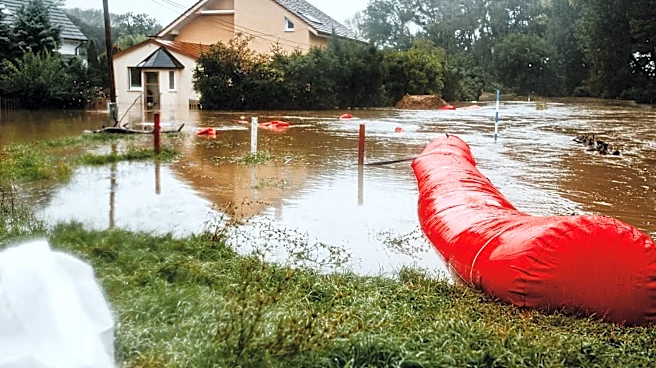
The sewerage district is investigating a clogged sewer pipe that may have contributed to recent flooding in Milwaukee's Bay View neighborhood. This investigation could lead to further infrastructure improvements to prevent future overflows. Additionally, the district's ongoing projects to enhance water storage and update infrastructure are expected to continue, aiming to reduce the frequency of such incidents. Stakeholders, including local government and environmental groups, may push for accelerated infrastructure investments and policy changes to address the underlying issues contributing to these overflows.