






What's Happening?
Assistant Secretary of Energy Audrey Robertson visited Virginia Tech to tour labs focused on developing next-generation mining technology. Virginia Tech, one of 14 accredited mining schools in the U.S., is showcasing innovations like remote-controlled
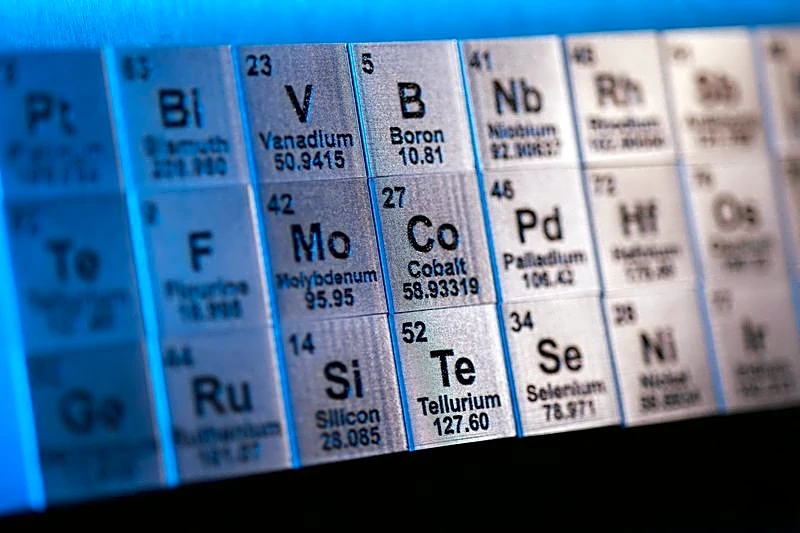
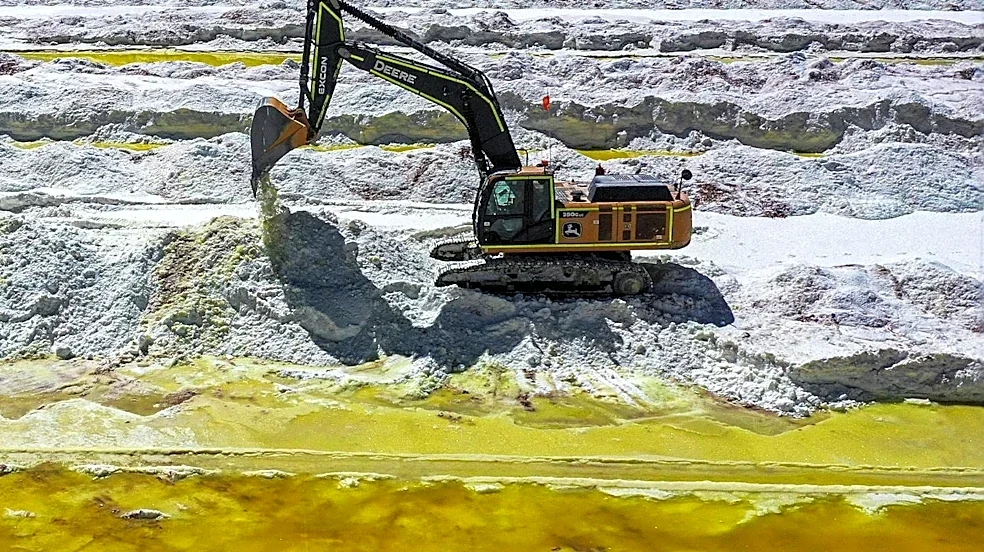
dump trucks. Robertson emphasized that over 90% of the world's critical minerals are processed in a single country, posing significant challenges to daily life and national security for the United States. Her visit included the university's Autonomous Mining Arena and Equipment Simulation Lab, which are part of the Department of Energy's $73 million 'Mine of the Future' initiative. This initiative aims to integrate innovation into the mining sector, making it a viable career path for decades to come. Students like Grant Chesko, a senior in mining and minerals engineering, noted that these investments are changing the perception of the industry, moving it away from a negative stigma.
Why It's Important?
The United States' heavy reliance on foreign processing of critical minerals creates vulnerabilities in its supply chains, impacting both economic stability and national defense. Critical minerals are essential components in modern technologies, ranging from cell phones to advanced defense systems. By investing in domestic mining technology and education, the U.S. aims to reduce this dependency and bolster its self-sufficiency in a strategically vital sector. The 'Mine of the Future' initiative at Virginia Tech is crucial for developing the skilled workforce and technological advancements needed to establish more secure and efficient domestic mineral processing capabilities. This effort not only addresses national security concerns but also seeks to revitalize the mining industry, offering new career opportunities and fostering innovation within the country.
What's Next?
Researchers at Virginia Tech plan to transition the technologies developed in their labs to real-world mining sites, including a new testing ground at the Virginia Tech Quarry. The university intends to expand its mining program to graduate more engineers, meeting the anticipated demand for skilled professionals in the revitalized domestic mining sector. The Department of Energy's continued investment in initiatives like the 'Mine of the Future' suggests a sustained focus on enhancing U.S. capabilities in critical mineral extraction and processing. Future developments will likely involve further collaboration between academic institutions, government agencies, and industry partners to scale up these innovative mining solutions and integrate them into national supply chains.
Beyond the Headlines
The push for domestic critical mineral processing extends beyond economic and national security implications, touching upon broader themes of technological sovereignty and environmental responsibility. By developing advanced mining techniques, the U.S. can potentially establish more environmentally sound practices compared to some foreign processing methods. This initiative also highlights the evolving nature of traditional industries, demonstrating how fields like mining are integrating cutting-edge technologies such as computer science and automation. The long-term shift could lead to a more resilient and sustainable domestic industrial base, reducing geopolitical risks associated with concentrated global supply chains and fostering a new generation of tech-savvy mining professionals.