






What's Happening?
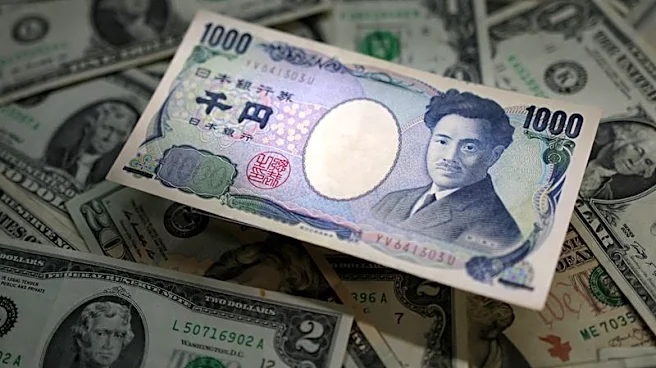
Japan has reported a significant increase in both exports and imports, attributed to the weakening of the yen. This development is seen as a double-edged sword for the Japanese economy. On one hand, a weaker yen makes Japanese goods more competitive abroad,
boosting exports. On the other hand, it increases the cost of imports, particularly energy, which Japan heavily relies on. The trade balance is thus affected by these opposing forces, with the yen's depreciation playing a crucial role in shaping the current economic landscape.
Why It's Important?
The fluctuation of the yen has broad implications for global markets, particularly in the U.S. and other major economies that trade with Japan. A weaker yen can lead to increased competitiveness of Japanese products, potentially affecting U.S. manufacturers and exporters. Additionally, the cost of imported goods, especially energy, could influence Japan's economic policies and its trade relationships. This situation underscores the interconnectedness of global economies and the impact of currency fluctuations on international trade dynamics.
What's Next?
Observers are closely watching how Japan will navigate these economic challenges. Potential policy responses could include interventions in the currency market or adjustments in trade policies to stabilize the economy. The international community, including the U.S., will be monitoring these developments, as they could influence global trade patterns and economic strategies.