
What's Happening?
Plans to construct new public restrooms on Nicollet Avenue in Minneapolis, backed by a $700,000 budget amendment, have been put on hold. The delay stems primarily from procurement challenges, as the city
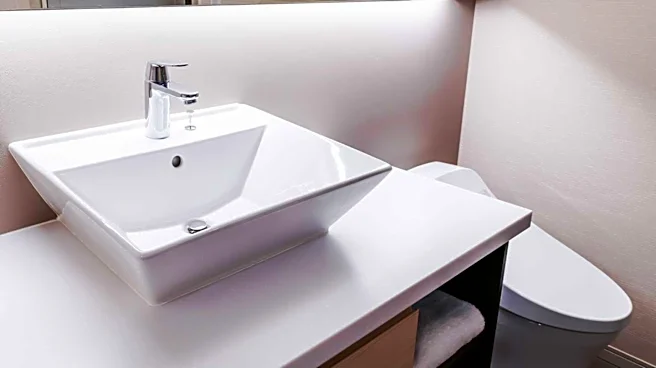
has encountered a very limited number of vendors capable of supplying public restrooms that meet its specific requirements. These requirements include movability, independence from city utilities, self-cleaning technology, safety features, and resilience to cold weather. Kathleen Mayell, the city’s director of transportation planning and programming, informed Council members that the small quantity of units planned (five to eight) does not create a sufficient target market for vendors. Consequently, the $700,000 allocated for the project has been moved back to the Streetcar Value Capture Fund to ensure its availability for future restroom initiatives.
Why It's Important?
The delay in implementing new public restrooms in Minneapolis has significant implications for public health, accessibility, and urban planning. The city's own report identified seven 'public urination hotspots,' indicating a clear need for more facilities. This issue affects not only the general public but also individuals with medical conditions like Crohn's & Colitis, for whom quick access to restrooms is crucial. The lack of adequate public facilities can deter people from spending time in downtown areas, potentially impacting local businesses and the vibrancy of public spaces. The procurement difficulties highlight a broader challenge in urban infrastructure projects, where specialized needs may not align with market availability, leading to delays and unspent funds.
What's Next?
Despite the current hold, the city is actively working to identify potential partner agencies that may also be interested in public restrooms, aiming to create a larger market for vendors. The funding has been technically reallocated to ensure it remains available for this specific purpose. Council members, including Aurin Chowdhury, have expressed continued support for the initiative, emphasizing its importance for accessibility across all generations. Future steps will likely involve continued outreach to vendors and potential partners, and a re-evaluation of procurement strategies to overcome the current hurdles. The city remains committed to addressing the need for public restrooms, indicating that the project is not canceled but rather undergoing a strategic re-assessment.
Beyond the Headlines
The struggle to implement public restrooms in Minneapolis underscores a common urban dilemma: balancing public need with practical and economic constraints. This issue touches upon broader themes of urban design, public health, and social equity. The absence of accessible restrooms can disproportionately affect vulnerable populations, including the elderly, individuals with disabilities, and those experiencing homelessness. The city's experience may serve as a case study for other municipalities facing similar challenges, prompting discussions on innovative solutions, such as modular designs or public-private partnerships, to address essential urban infrastructure needs. It also highlights the importance of considering specialized environmental factors, like extreme weather, in urban planning.