




What's Happening?
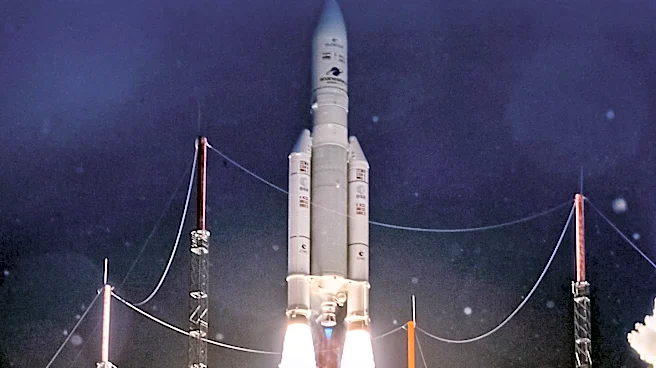
In June 1996, Europe's Ariane 5 rocket self-destructed approximately 40 seconds after launch. The failure was caused by software inherited from the Ariane 4, which attempted a calculation that was inappropriate for the Ariane 5's significantly faster
flight profile. This miscalculation led to the failure of both inertial reference systems, sending the rocket drastically off course. This incident is highlighted as an example of how seemingly small mistakes, such as reusing software without proper adaptation, can lead to catastrophic outcomes in complex engineering projects. The event underscores the critical importance of thorough testing and re-evaluation of all components, especially software, when transitioning between different generations of technology, even if the components appear similar or functional in previous applications.
Why It's Important?
The Ariane 5 failure serves as a crucial case study in engineering and project management, particularly in high-stakes fields like space exploration. For U.S. industries involved in aerospace, defense, and advanced technology, it emphasizes the severe consequences of inadequate software validation and the dangers of assuming compatibility between different systems. The incident led to significant financial losses and a setback for the European space program, impacting international collaboration and competition in space launches. It highlights the need for rigorous verification processes, independent oversight, and a culture that prioritizes safety and meticulous detail over expediency. The lessons learned from this disaster have influenced software development protocols and risk management strategies across various sectors, aiming to prevent similar failures where a minor technical oversight can lead to monumental losses.
What's Next?
Following such incidents, the aerospace industry typically implements enhanced review processes, independent audits, and more stringent software development and testing protocols. For future space missions and complex engineering projects, there is an ongoing emphasis on comprehensive system integration testing and the development of robust error detection and recovery mechanisms. Regulatory bodies and international consortia often review and update safety standards based on lessons from past failures. The focus will continue to be on fostering a culture of meticulous attention to detail and continuous improvement in engineering practices to mitigate risks associated with software reuse and system compatibility issues in advanced technological endeavors.
Beyond the Headlines
The Ariane 5 incident extends beyond a mere technical glitch, touching upon the broader implications of human error and organizational decision-making in complex systems. It highlights the ethical responsibility of engineers and project managers to ensure the safety and reliability of their creations, especially when public funds and lives are at stake. The failure also sparked discussions about the balance between innovation and caution, and the pressures to meet deadlines versus the need for exhaustive testing. Culturally, it reinforced the idea that even the most advanced technological systems are susceptible to fundamental human mistakes, prompting a re-evaluation of how risk is perceived, managed, and communicated within large-scale projects. This event continues to be a reference point for understanding systemic failures and the importance of interdisciplinary collaboration in preventing them.