





What's Happening?
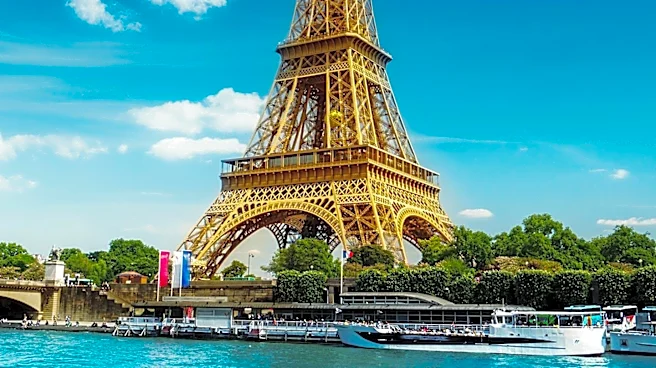
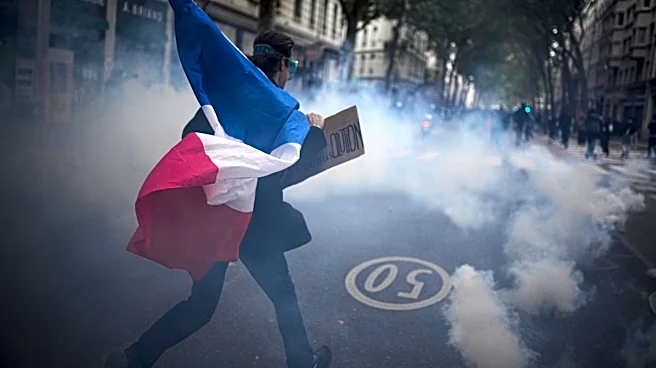
France's tourism industry is expressing significant concern over the impact of recent riots and protests on hotel reservations and the country's international image. Didier Arino, head of Protourisme, reported weakening hotel reservations in major cities
like Paris, Lyon, and Marseille. The closure of the Louvre due to student protesters and the issuance of travel advisories by countries including the U.S., China, and Germany have further exacerbated these concerns. Laurent Abitbol, head of Selectour, warned that prolonged unrest could be 'catastrophic' for the industry, which typically welcomes 100 million visitors annually. MKG Consulting data shows a sharp decline in potential bookings for Paris hotels since the second week of October, particularly for near-term and high-end stays.
Why It's Important?
The concerns of the French tourism industry directly impact the U.S. economy and its citizens. Travel advisories issued by the U.S. government can deter American tourists, leading to a decrease in spending and revenue for French businesses, which in turn affects the global tourism market. For U.S. travelers, the perceived instability in France could lead to changes in travel plans, potentially redirecting tourism dollars to other destinations. Furthermore, the negative international media coverage, as noted by Laurent Abitbol, can shape global perceptions of safety and desirability for travel, influencing long-term tourism trends and potentially impacting airlines, tour operators, and other related industries in the U.S. that facilitate travel to France.
What's Next?
The immediate future for the French tourism industry hinges on whether new violence erupts in the coming weeks. Industry leaders like Didier Arino suggest that the overall picture will depend on the cessation of unrest. If the protests continue, further declines in hotel bookings and international visitor numbers are anticipated. The industry will be closely monitoring government actions to restore order and the subsequent media coverage, as these will be crucial in rebuilding confidence among potential tourists. Efforts to counteract the negative image portrayed by international news outlets may also be undertaken to reassure travelers that France remains a safe and welcoming destination.
Beyond the Headlines
The vulnerability of France's tourism sector to civil unrest highlights a broader economic and cultural challenge for nations heavily reliant on international visitors. Beyond the immediate financial losses, the damage to a country's brand as a safe and desirable destination can be long-lasting and difficult to repair. This situation also underscores the power of global media and social media in shaping perceptions, as images of unrest can quickly overshadow a country's cultural appeal. For the U.S., this serves as a reminder of the interconnectedness of global economies and the potential for events in one nation to ripple through international travel and trade, affecting American businesses and citizens.