









What's Happening?
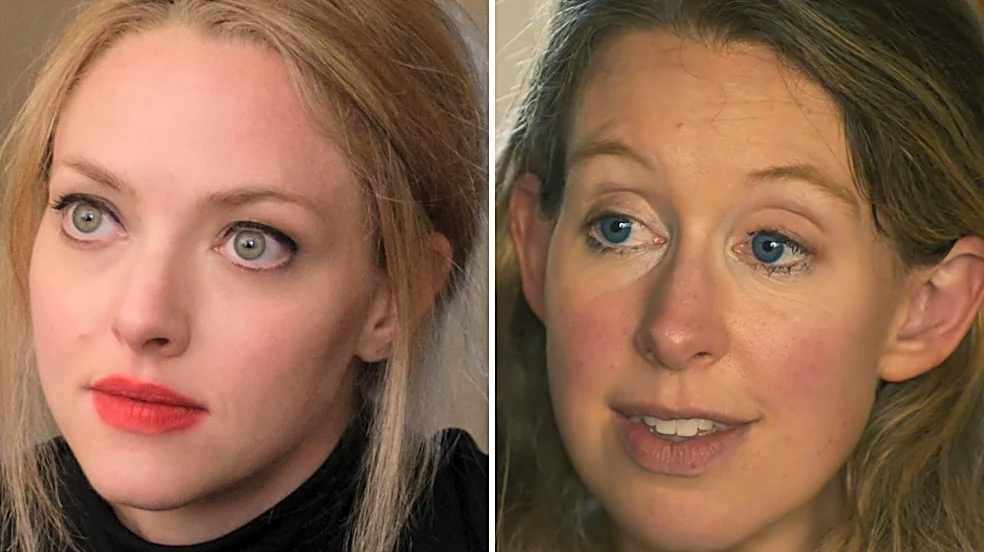
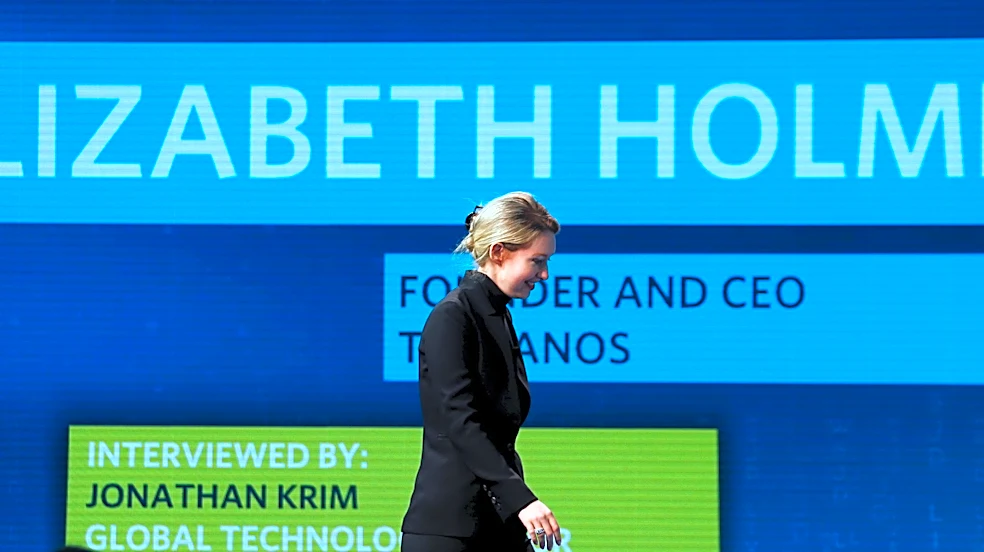
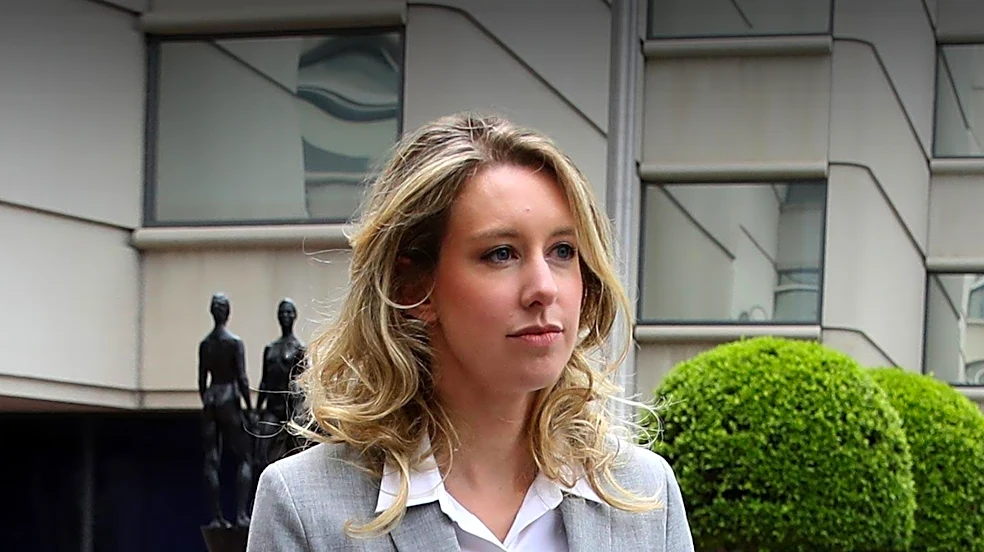
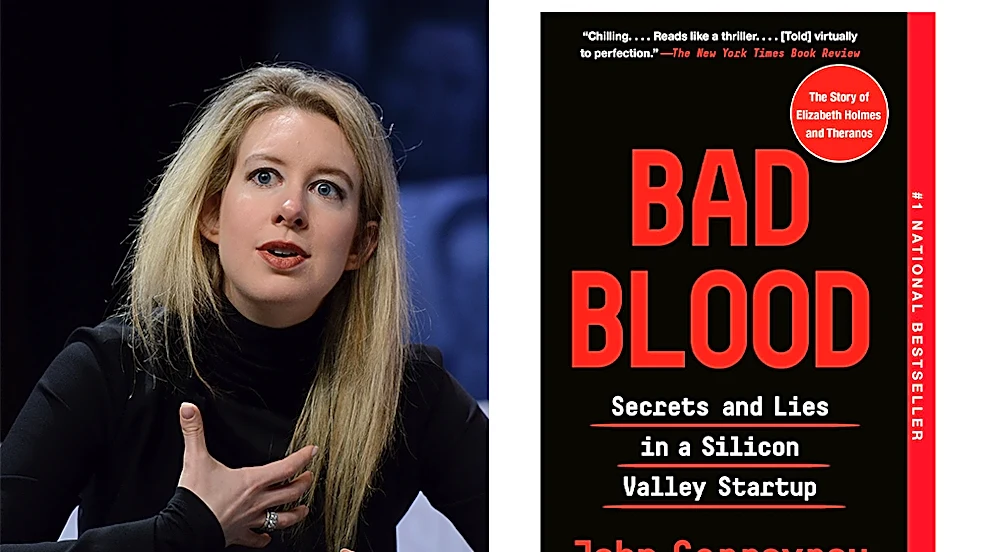
Alex Gibney's 2019 documentary, 'The Inventor: Out for Blood in Silicon Valley,' about Elizabeth Holmes and the rise and fall of Theranos, is receiving renewed attention. This resurgence in interest follows the premiere and box office success of a new documentary, 'You
Can See Everything,' which captures Holmes' final days of freedom before her prison sentence. While 'You Can See Everything' offers an intimate look at Holmes with her partner Billy Evans and their children, Gibney's 'The Inventor' provides a different perspective, focusing on Holmes' laser-focused drive to make Theranos a dominant force in preventive medicine. Gibney's film details Holmes' evolution into a tech celebrity, her distinctive black turtleneck attire, and her early life motivations, including a desire to change the world after a personal loss.
Why It's Important?
The renewed focus on 'The Inventor' is significant as it offers a crucial historical context to the ongoing public fascination with Elizabeth Holmes and the Theranos scandal. By contrasting Gibney's earlier work with the new documentary, audiences gain a more comprehensive understanding of Holmes' trajectory, from her ambitious beginnings to her eventual downfall. This dual perspective highlights the evolution of public perception and media portrayal of complex figures in the tech industry. The Theranos case itself remains a cautionary tale about corporate fraud and the pressures within Silicon Valley, making these documentaries important for discussions on ethics, accountability, and the cult of personality in business. The continued interest in Holmes also reflects a broader societal engagement with stories of ambition, deception, and the consequences of unchecked power.
Beyond the Headlines
The juxtaposition of 'The Inventor' and 'You Can See Everything' offers a deeper look into the psychological and societal factors surrounding Elizabeth Holmes. Gibney's documentary, by showcasing Holmes' early life and her calculated persona, raises questions about the nature of ambition and the fine line between visionary leadership and deceptive practices. The film also highlights how powerful figures, including former U.S. secretaries of State Henry Kissinger and George Shultz, were swayed by Holmes' charisma, underscoring the influence of personal charm in the business world. The contrasting portrayals of Holmes' voice and demeanor in the two films suggest a deliberate construction of her public image, prompting reflection on authenticity and manipulation. This ongoing narrative contributes to a broader cultural conversation about the responsibilities of innovators and the critical role of media in uncovering truth.