






What's Happening?
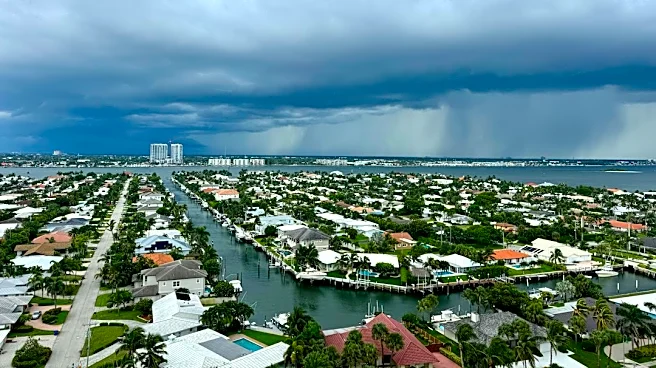
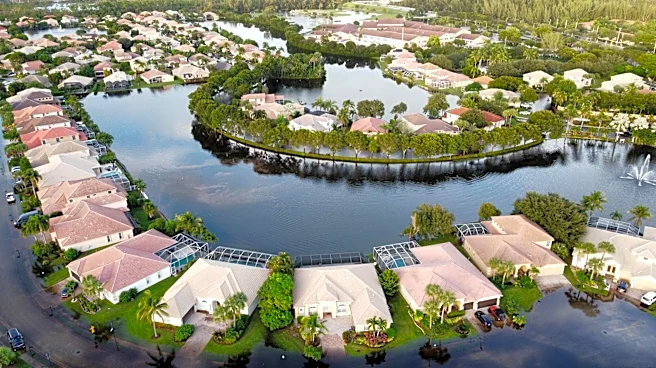
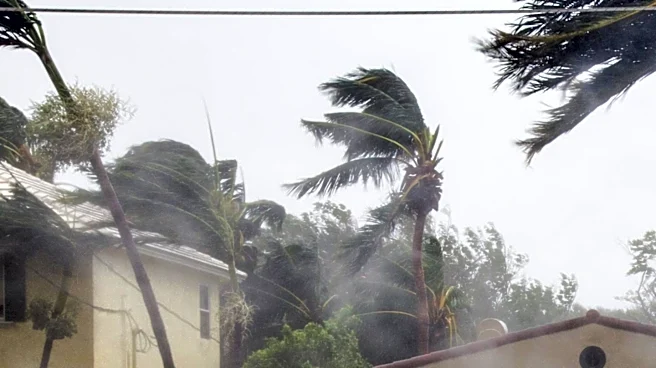
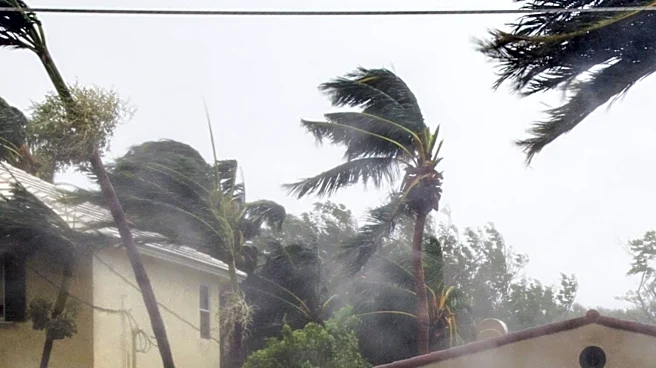
A slow-moving storm system, intensified by El Niño, has brought heavy rainfall and widespread flooding to South Florida, leading to an emergency declaration in Hollywood. Preliminary figures from the National Weather Service indicate that parts of Broward
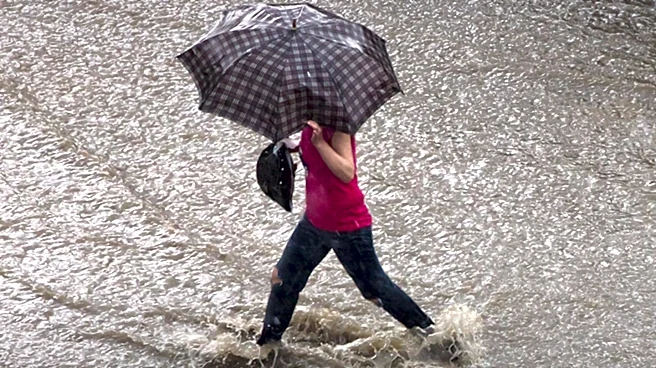
County received 15.3 inches of rain within a 24-hour period ending Wednesday. This deluge caused significant road flooding, submerged vehicles, and led to the collapse of a synagogue roof in Hollywood, along with damage to a local hospital. The National Weather Service forecasts an additional 12 inches of rain for Florida's Atlantic Coast through Friday. Meanwhile, on the West Coast, heavy rains and high winds have impacted California. San Francisco experienced grounded planes, disrupted ferry services, and flooded areas along the Embarcadero, where waves crashed over newly installed barricades. The Los Angeles County Fire Department issued an evacuation warning for burn scar areas in Palisades, Hurst, and Sunset due to the risk of debris flows, effective from Wednesday evening through Friday morning. Several highways in Napa, Marin, San Mateo, and Santa Clara counties were also blocked by flooding or debris.
Why It's Important?
The severe weather events in both Florida and California highlight the significant impact of El Niño on U.S. weather patterns, disrupting typical seasonal conditions. In Florida, the unusual heavy rainfall during what is typically its dry season (October to May) poses substantial risks to infrastructure, public safety, and daily life. The closure of major roadways like portions of the Florida Turnpike and Interstate 95 in Hollywood severely impacts transportation and commerce. The damage to public and private property, including a synagogue and a hospital, underscores the economic burden and community disruption caused by such extreme weather. In California, the combination of heavy rain and burn scar areas creates a dangerous scenario for debris flows, threatening homes and lives in vulnerable communities. The disruption to air and ferry travel in San Francisco also affects regional connectivity and economic activity. These events collectively demonstrate the increasing vulnerability of U.S. regions to extreme weather, necessitating robust emergency response and long-term climate adaptation strategies.
What's Next?
South Florida is bracing for continued heavy rainfall, with forecasts predicting an additional 2 to 4 inches, and some areas potentially receiving up to 6 to 8 inches, which could exacerbate existing flooding. Schools in Broward and Miami-Dade counties have been closed for Thursday, indicating ongoing disruptions. Authorities in Hollywood have urged residents to avoid unnecessary travel and stay off flooded roads. On the West Coast, the evacuation warning for burn scar areas in Los Angeles County remains in effect through Friday morning, with residents advised to prepare for potential debris flows. Highway 1 near Big Sur has been closed due to similar concerns. The National Weather Service has also issued a long-range forecast indicating the possibility of heavy rain along the Atlantic seaboard from Georgia to New England through early next week, suggesting that weather-related disruptions could spread. Emergency services will remain on high alert, and communities will likely begin assessing damage and initiating recovery efforts once the immediate threat subsides.
Beyond the Headlines
These widespread flooding events underscore the complex interplay between natural climate phenomena like El Niño and regional vulnerabilities. The disruption of Florida's typical dry season by El Niño-fueled storms points to broader shifts in weather predictability, which can have long-term implications for urban planning, agriculture, and disaster preparedness. The vulnerability of burn scar areas in California to debris flows highlights the cascading effects of environmental degradation, where wildfires create conditions for subsequent hazards. The repeated occurrence of such extreme weather events across different U.S. regions raises critical questions about the adequacy of current infrastructure to withstand intensified climate impacts. It also brings to the forefront discussions on climate resilience, the need for updated building codes, and the potential for increased insurance costs. The economic and social costs of these events, from property damage to psychological stress on affected communities, are likely to be substantial and may prompt further investment in climate adaptation and mitigation strategies at both local and federal levels.