




What's Happening?
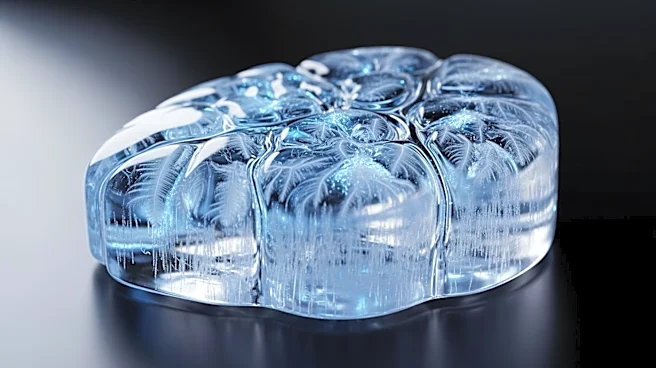
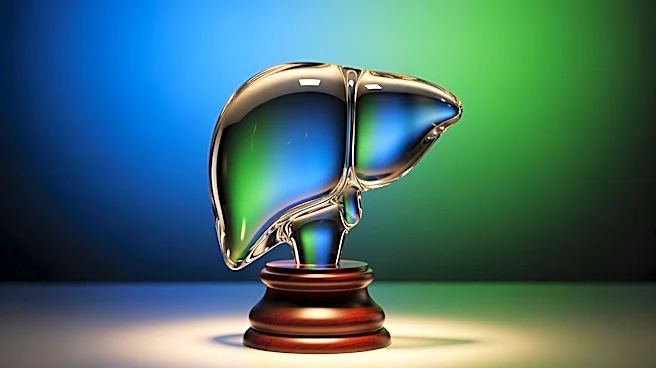
Researchers at Texas A&M University have developed a new method to freeze transplant organs without causing cracking, a significant advancement in cryopreservation. Led by Dr. Matthew Powell-Palm, the team focused on vitrification, a process that cools
tissue to a glass-like state to prevent ice crystal formation. By adjusting the glass transition temperature of the vitrification solution, they reduced the likelihood of cracking, a common issue that renders organs unusable. This breakthrough could extend the viability of organs for transplantation, addressing the shortage of available organs for patients in need.
Why It's Important?
This development has the potential to revolutionize organ transplantation by increasing the availability of viable organs. The ability to preserve organs for longer periods could save countless lives by reducing the time constraints currently faced in organ transplants. Beyond transplantation, improved cryopreservation techniques could benefit other fields such as wildlife conservation, vaccine storage, and food preservation. The research represents a significant step forward in the field of cryobiology, with implications for various areas of life sciences.
What's Next?
The research team plans to further refine their cryopreservation methods to ensure biocompatibility with different types of tissues. Continued advancements in this area could lead to widespread adoption of these techniques in medical and scientific applications. The study's findings will likely inspire additional research into the thermodynamics of aqueous solutions, potentially leading to new preservation technologies.