


What's Happening?
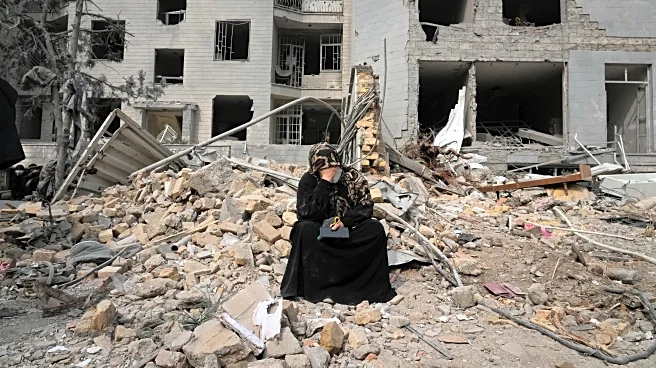
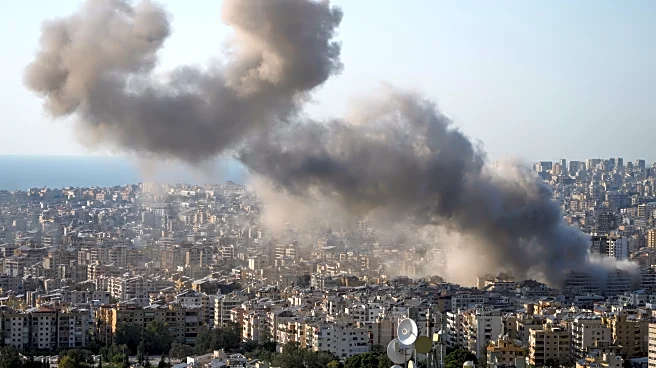
Inflation in the United States remained steady in February, with consumer prices rising 2.4% compared to the previous year, according to the Labor Department. This stability was observed before the U.S.-Israeli attack on Iran, which has since caused significant
fluctuations in oil prices. Gas prices in the U.S. have already increased, reaching an average of $3.58 per gallon, a 20% rise in just one month. The conflict has led to the closure of shipping lanes through the Persian Gulf, further exacerbating the situation. Analysts warn that if the Strait of Hormuz remains closed, oil prices could soar to $150 a barrel, pushing gas prices even higher.
Why It's Important?
The rise in gas prices is expected to have a ripple effect on the U.S. economy, potentially increasing costs for air travel, shipping, and consumer goods. This could lead to higher inflation rates, challenging the Federal Reserve's efforts to maintain economic stability. The situation poses a political challenge for congressional Republicans, who face midterm elections later this year. The Federal Reserve is in a difficult position, as it must balance the need to control inflation with the desire to support economic growth and employment.
What's Next?
The Federal Reserve is likely to delay any interest rate cuts due to the current economic uncertainties. The central bank is already divided on whether to maintain or reduce rates, and the ongoing conflict in Iran adds further complexity to its decision-making process. If the conflict is resolved quickly, gas prices may stabilize, but the potential for prolonged disruption remains a concern.