

What's Happening?
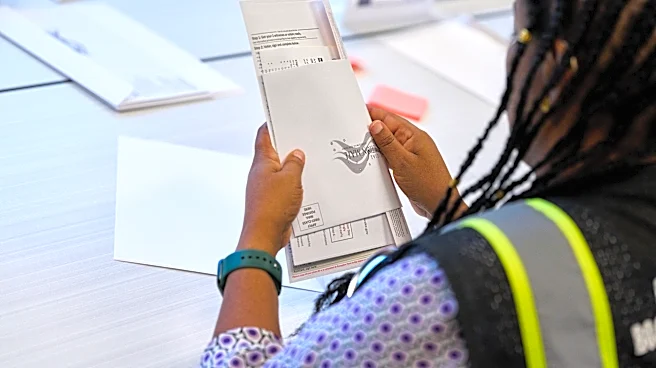
A federal judge has once again blocked the U.S. Postal Service (USPS) from implementing new mail ballot rules mandated by President Trump for the upcoming November election. U.S. District Judge Indira Talwani ruled that the USPS lacks the authority to
dictate election procedures and that neither the Postal Service nor individual states, including California, could realistically implement the changes without causing significant disruption and potentially disenfranchising voters. Election officials nationwide informed the court that compliance with the new rules would be "likely impossible," leading to probable disenfranchisement. The Trump administration and 12 Republican-led states have appealed this decision to the U.S. 1st Circuit Court of Appeals. This ruling follows previous attempts by Judge Talwani to block the plan, with the Trump administration consistently appealing to higher courts, including the Supreme Court. A Postal Service whistleblower also alleged that the agency's new computer systems for the project are flawed, and a top USPS official admitted that a key online portal was unfinished.
Why It's Important?
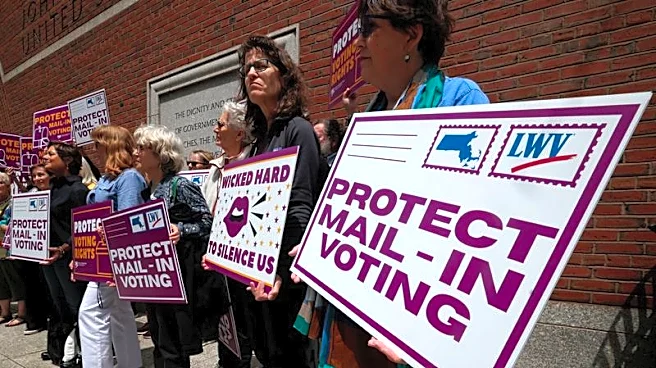
This ruling is crucial for the integrity and accessibility of the upcoming U.S. elections, particularly concerning mail-in voting. The judge's decision underscores the constitutional principle that states and Congress, not the executive branch, are responsible for regulating elections. If the USPS rules were allowed to proceed, it could lead to widespread confusion, delays in ballot processing, and potentially prevent eligible citizens from casting their votes, thereby undermining democratic participation. The ongoing legal battle highlights a significant conflict between the Trump administration's efforts to implement new voting regulations, citing concerns about voter fraud, and the concerns of states and voting rights groups regarding voter suppression and federal overreach. The outcome will directly impact how millions of Americans cast their ballots and the perceived fairness of the election process. The involvement of a whistleblower and the acknowledgment of an unfinished online portal also raise questions about the operational readiness and transparency of the proposed changes.
What's Next?
The Trump administration and the 12 Republican-led states supporting the new USPS rules have appealed Judge Talwani's latest decision to the U.S. 1st Circuit Court of Appeals. The Department of Justice has also sought emergency relief from the U.S. Supreme Court, despite the Postal Service acknowledging its unpreparedness to launch the new portal. This indicates a continued legal battle that could potentially reach the Supreme Court again. California Attorney General Rob Bonta stated that his office will continue to take all steps to prevent the Trump administration from restricting mail voting. Election officials across the country are working to ensure voters are informed about their options amidst the ongoing litigation. The focus will be on the appeals process and whether higher courts will uphold Judge Talwani's injunction or allow the USPS changes to proceed, which would necessitate rapid and potentially chaotic implementation by states.
Beyond the Headlines
This ongoing legal dispute delves into fundamental questions about federalism and the balance of power in U.S. elections. The Trump administration's push for new mail ballot rules, framed as necessary to combat voter fraud, has been met with strong opposition from states and voting rights groups who view it as an attempt at voter suppression. The repeated judicial interventions highlight the judiciary's role in safeguarding electoral processes against executive overreach. The controversy also brings to light the challenges of implementing significant changes to election procedures close to an election, especially when those changes involve complex logistical and technological components. The debate extends beyond procedural matters, touching upon public trust in electoral systems and the perception of fairness, which are critical for a healthy democracy. The outcome of this legal challenge could set precedents for future federal involvement in state-run elections.