



What's Happening?
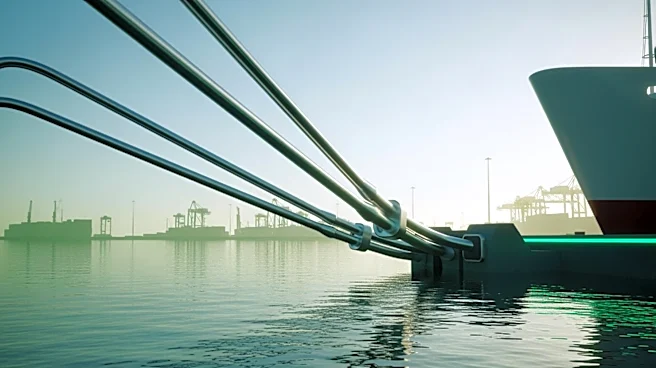
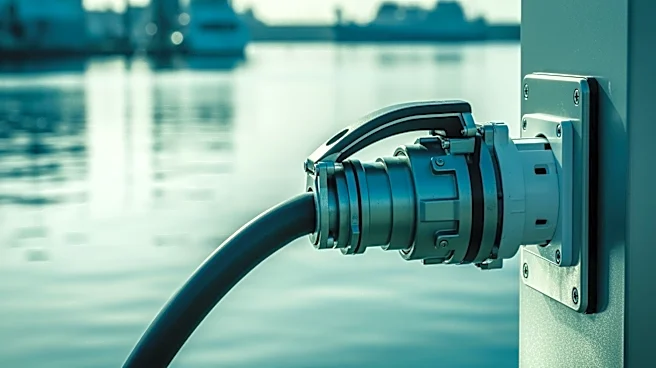
The Port of San Diego is advancing its environmental initiatives by expanding its shore power capabilities. Shore power allows vessels to connect to landside electrical power, enabling them to shut down their diesel engines while docked. This reduces
emissions of harmful pollutants such as nitrogen oxides, sulfur oxides, and diesel particulate matter, as well as greenhouse gases like CO2. The port's journey with shore power began in 2010, marking a significant milestone for California. Recent developments include the installation of additional shore power plugs and systems to accommodate more vessels, including the first connection for a roll-on/roll-off vessel at the National City Marine Terminal. These efforts align with the California Air Resources Board’s At-Berth Regulation, aiming to reduce air pollution from ships at berth.
Why It's Important?
The expansion of shore power at the Port of San Diego is crucial for reducing maritime emissions, which contribute significantly to air pollution in port cities. By enabling ships to use electrical power instead of diesel engines while docked, the port is helping to improve air quality and reduce the environmental impact of maritime operations. This initiative supports California's broader environmental goals and sets a precedent for other ports to follow. The reduction in emissions not only benefits the environment but also public health, as it decreases the exposure of local communities to harmful pollutants. Additionally, these advancements in sustainable port operations can enhance the port's competitiveness and reputation as a leader in environmental stewardship.
What's Next?
The Port of San Diego plans to continue expanding its shore power infrastructure, with proposals for additional connection points at Fish Harbor Pier. This expansion will further support commercial harbor craft vessels, enhancing the port's capacity to accommodate a wider range of ships. As the port continues to implement these systems, it may influence other ports to adopt similar technologies, potentially leading to industry-wide changes in maritime operations. Stakeholders, including environmental groups and local communities, are likely to monitor these developments closely, advocating for continued progress in reducing emissions and promoting sustainable practices.