






What's Happening?
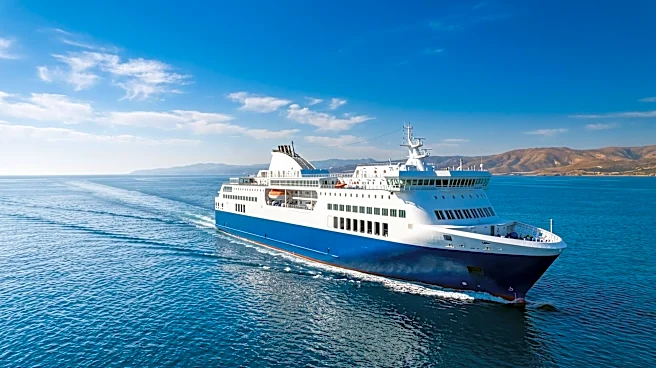
Morocco’s National Tourist Office (ONMT) and Italian shipping company GNV have signed a three-year agreement to significantly increase tourist flows between Italy and Morocco, particularly through maritime travel. The partnership, formalized during GNV’s
annual convention in Marrakech, aims to boost the number of Italian passengers traveling to Morocco to 350,000. This will be achieved through a joint action plan focused on destination promotion and expanding maritime traffic. Italy is a crucial tourism market for Morocco, with approximately 1.15 million Italian tourists visiting in 2025, 15% of whom arrived by sea. The collaboration includes a comprehensive communication campaign targeting Italian travelers via radio, television, influencer marketing, street marketing, and GNV’s network of travel agencies. Morocco will also gain increased visibility across GNV’s digital and onboard platforms, including screens on ships, the GNV App Morocco, and the company’s radio station. This initiative is part of ONMT’s broader strategy to promote diverse travel experiences in Morocco, specifically targeting Italian travelers interested in road trips, 4x4 travel, and ecotourism, as maritime connections allow them to bring their vehicles.
Why It's Important?
This partnership signifies a strategic move by Morocco to strengthen its position in the international tourism market, with a particular focus on European visitors. For the U.S. travel industry, this development highlights the competitive nature of global tourism and the importance of targeted marketing and infrastructure development. While not directly impacting U.S. tourism to Morocco, it demonstrates effective strategies for attracting specific international demographics, which could be a model for U.S. destinations seeking to draw European visitors. The emphasis on maritime travel and allowing visitors to bring their vehicles caters to a niche but growing segment of travelers seeking flexibility and adventure, a trend that U.S. travel providers might observe. Furthermore, the agreement's support for 'Operation Marhaba,' facilitating the return of Moroccans living abroad, underscores the dual role of travel in both tourism and maintaining diaspora connections, a factor relevant to many countries with significant expatriate populations, including the U.S.
What's Next?
Over the next three years, the ONMT and GNV will implement their joint communication campaign and work to expand maritime connections between Italy and Morocco. Travelers can expect to see increased promotional content for Morocco across various Italian media channels and GNV platforms. The focus on road trips, 4x4 travel, and ecotourism suggests that new tour packages and itineraries catering to these interests will likely emerge. The success of this partnership could lead to similar agreements with other European countries, further diversifying Morocco's tourist base. For the shipping industry, this could mean an increase in ferry services and potentially new routes to accommodate the anticipated rise in passenger numbers. The ongoing monitoring of tourist arrivals will be crucial to assess the effectiveness of the campaign and make necessary adjustments to achieve the target of 350,000 Italian passengers.
Beyond the Headlines
This collaboration extends beyond mere tourism promotion, touching upon deeper socio-cultural and economic ties between Italy and Morocco. The support for 'Operation Marhaba' highlights the significant role of maritime travel in facilitating cultural exchange and family reunification for the Moroccan diaspora in Italy. This aspect underscores the human element of international travel, where movement is driven not just by leisure but also by familial and cultural connections. The focus on ecotourism and allowing personal vehicles also points to a growing demand for more independent and environmentally conscious travel options, reflecting a broader global trend. This could encourage both countries to invest further in sustainable tourism practices and infrastructure. Ultimately, this partnership serves as a model for how nations can leverage strategic alliances to boost their tourism sectors while simultaneously addressing the diverse needs of travelers and expatriate communities, fostering stronger bilateral relations through increased mobility and cultural understanding.