






What's Happening?
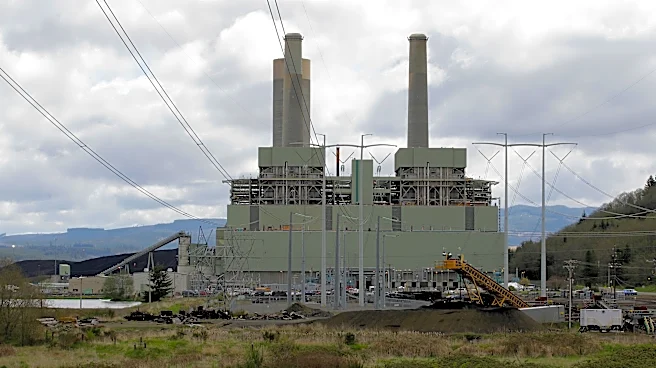
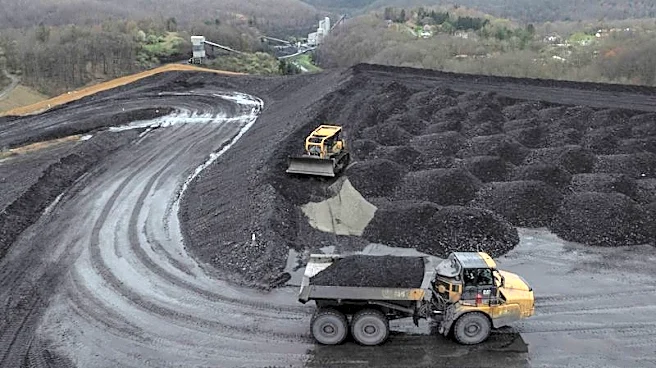
President Trump has announced a $700 million plan to support the struggling U.S. coal industry. This initiative aims to bolster coal-fired power plants and coal exports, using authority under a Cold War-era national defense law. The plan includes building
new coal plants in Alaska and West Virginia and reopening a shuttered plant in Maryland. The administration argues that coal is essential for a reliable electric grid and national security. However, environmental groups criticize the move, arguing it prioritizes polluting energy sources over cleaner alternatives and could lead to higher electricity bills and environmental degradation.
Why It's Important?
This move by the Trump administration highlights a significant policy shift towards traditional energy sources, potentially reversing years of progress in renewable energy adoption. The decision to invest heavily in coal could have long-term environmental and economic impacts, as coal is a major contributor to greenhouse gas emissions. The policy could also affect the U.S.'s international standing in climate change efforts and its ability to meet future energy demands sustainably. Critics argue that the focus on coal could delay the transition to cleaner energy sources, which are crucial for addressing climate change and reducing pollution.
What's Next?
The administration's support for coal is likely to face legal and political challenges from environmental groups and states prioritizing renewable energy. The policy could also lead to increased scrutiny from international bodies focused on climate change. As the U.S. energy landscape evolves, the administration may need to balance coal support with growing demands for cleaner energy solutions. The outcome of these policies could influence future energy strategies and the country's ability to meet its climate goals.